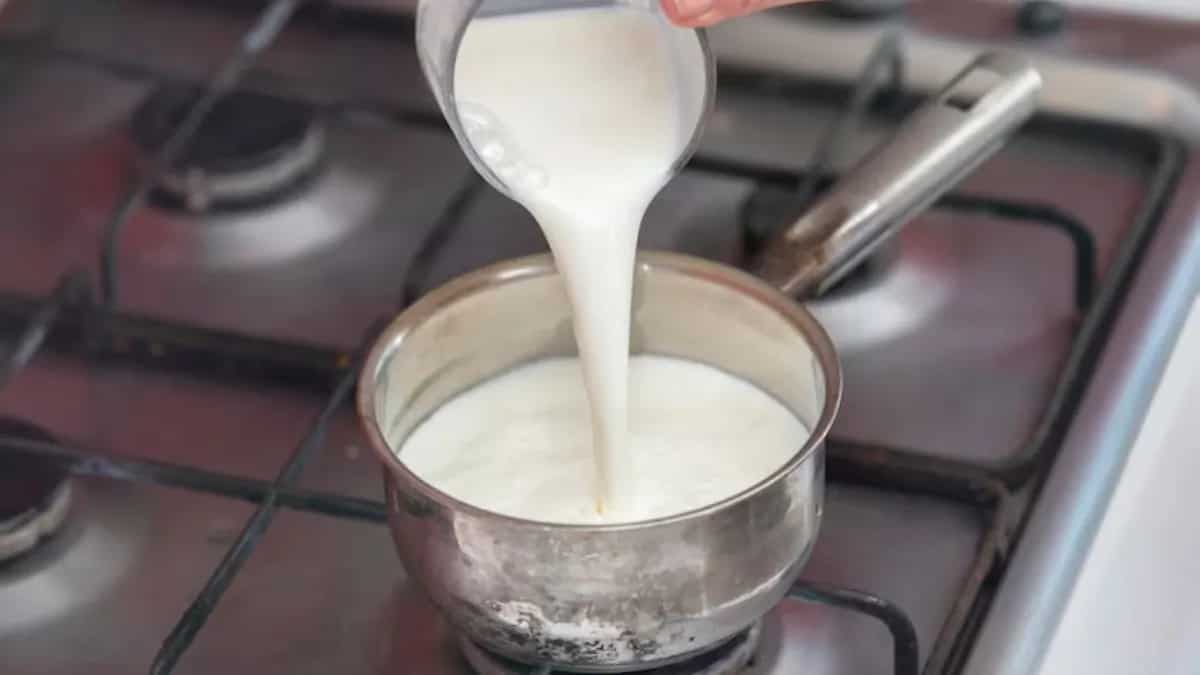
Milk turning sour too soon is a very common occurrence during the summer season in many households. One moment, you see the milk is fresh, and a few hours later, it begins to smell a bit tangy or tiny curdled grains are formed when heated. During hotter months, the rise in temperatures speeds up the natural fermentation process of the milk, which results in it spoiling much faster than on usual days. Since milk is consumed on a daily basis in Indian households for tea, coffee, desserts, and even for cooking, a small change in the storage habits can make a huge difference in how long it will remain fresh.
Preventing milk from curdling in the summer season does not require any complex techniques or tricks. A few simple but thoughtful practices, such as cooling milk thoroughly, then keeping it in the fridge, storing it in the right containers, and controlling exposure to heat, can maintain its freshness. Before you begin to look at how to store properly, knowing why milk curdles on hot summer days is essential, as it can save both ingredients and effort.
Why Milk Curdles Faster In Summer
Milk is naturally rich in proteins, lactose, and moisture, which makes it an ideal environment for bacterial growth. During the summer season, warm temperatures promote the naturally present bacteria to reproduce rapidly. As these bacteria grow, they convert lactose (milk sugar) into lactic acid. This rising acidity changes the structure of milk proteins, particularly casein, causing them to clump together and make curds.
Heat changes this process dramatically. Even a little exposure to the warm kitchen air can start fermentation within hours. Also, wrong storage, leftover milk remaining in containers, and repeated reheating can also introduce more bacteria. When milk becomes a little acidic, boiling it often causes quick curdling because the protein structure has already turned weak.
6 Ways To Stop Milk From Curdling in the Summer Season
Here are 6 ways in which you can prevent milk from turning sour or curdling in the hot weather:
Cool Milk Fast After Boiling
One of the mistakes that is very common in homes is leaving freshly boiled milk on the countertop for too long. It is lesser known that warm milk sits here in the “danger zone” where bacteria multiply quickly. After boiling, let the milk cool only a bit and then place the container in a bowl of normal water or below the fan to cool it down quickly. Rapid cooling delays bacterial growth and maintains the freshness of the milk. Once the milk is lukewarm and not hot, put it in the refrigerator immediately. This small habit will easily expand the shelf life of milk by an extra day, without you fearing it will go bad.
(Image credit: Freepik)
Store Milk In Glass Or Steel Containers
Always use either steel or glass containers to stir milk. Plastic containers may have microscopic food remains and odours that promote bacterial growth. During the summer season, this becomes even more difficult because the heat accelerates the spoilage. Steel or glass does not absorb the smells and can be sterilised more effectively. A tightly sealed lid further controls exposure to warm air and the microbes outside, keeping milk stable and fresh for a longer time.
Avoid Repeated Heating
Many people reheat milk several times throughout the day to make tea or coffee. Hence, repeated heating and then cooling cycles weaken the milk proteins, which further increase the chances of curdling later. Rather, boil the whole milk once and store it in the refrigerator. Whenever required, heat only the amount you have to use and not the entire batch. This will reduce the temperature fluctuations and keep the remaining milk stable. Constant refrigeration with little to no reheating is one of the most useful ways to control unexpected curdling during the summer season.
(Image credit: Freepik)
Keep Milk Away From Strong Odours
Milk is delicate, hence it can easily absorb the aromas surrounding it, particularly in a packed refrigerator. But beyond just affecting flavour, exposure to other foods, particularly fermented or acidic items, can introduce microorganisms that can activate curdling. Always store milk in a closed container or put a lid on the top if storing in a vessel, and keep it on the top-most shelf in the refrigerator. Keeping it away from items such as pickles, cut fruits, and leftover gravies prevents cross-contamination. Apart from this, maintain a clean environment in the refrigerator to help reduce the airborne bacteria that could settle into the milk and begin the souring process earlier than expected.
Add A Tiny Pinch Of Baking Soda (Emergency Trick)
If you suspect milk may turn slightly sour, but still you want to use it for tea or cooking, putting a tiny pinch of baking soda can temporarily stabilise it. Baking soda balances the mild acidity and prevents immediate curdling when the milk is heated. But, keep in mind the amount should be too small, just a pinch for a litre of milk, or it will affect the flavour. This trick does not stop spoilage totally, but it can help save the milk that is on the brink of curdling, and you need to use it.
Refrigerate Milk In The Coldest Section
Not all refrigerator shelves have the same temperature. The door area, for instance, is warmer because it opens repeatedly. Storing milk there can shorten its freshness. Rather, place milk in a deeper side of the refrigerator where the temperature is always cold. Ideally, keep it toward the back of the topmost shelf. This reduces exposure to warm air every time the fridge door is opened and guarantees the milk remains chilled enough to slow down the bacterial activity.
(Image credit: Freepik)