Sawan is considered to be the holiest month in the Hindu calendar. From fasting on every Monday of the month to avoiding non-vegetarian food, eggs, onions, garlic, and more throughout Sawan, the month is perfect for trying out millet flours and ancient grains. Replacing the usual whole wheat flour and rice, the go-to vrat-friendly options include kuttu ka atta, samak ke chawal, sabudana, and more.
While the vrat-friendly swaps can be used to make all your comfort foods like pooris, dosas, pakoras, halwa, and more, the packaged flours have a risk of adulteration, especially when in high demand. So, to ensure that you know what you’re eating, you can buy whole grains and grind them into a flour using Usha’s mixer grinder. Read on to learn more about the fasting flours that you can grind in your kitchen.
Kuttu Atta
Kuttu, or buckwheat, is the quintessential ingredient for most vrat thalis. Since buckwheat is technically a fruit and not a cereal grain, it is acceptable during most fasts that restrict eating grains. To make kuttu ka atta, start by dry-roasting kuttu seeds for a couple of minutes before adding them to the jar of Usha’s mixer grinder. Pulse in short bursts to get an evenly ground kuttu ka atta and store it in an airtight container.
Singhara Atta
Made with dried water chestnuts, singhara atta is another Sawan staple. Thanks to its cooling properties and a subtle sweet flavour profile, singhara atta is used for making both savoury and sweet treats. You can make it at home by buying dried singhara. Break it into smaller chunks and then grind them in your mixer grinder. Remember to give the motor a rest of 20-30 seconds to prevent overheating. Once you have the atta, you can make singhare ke pakore, halwa, paratha, and much more.
Rajgira Atta
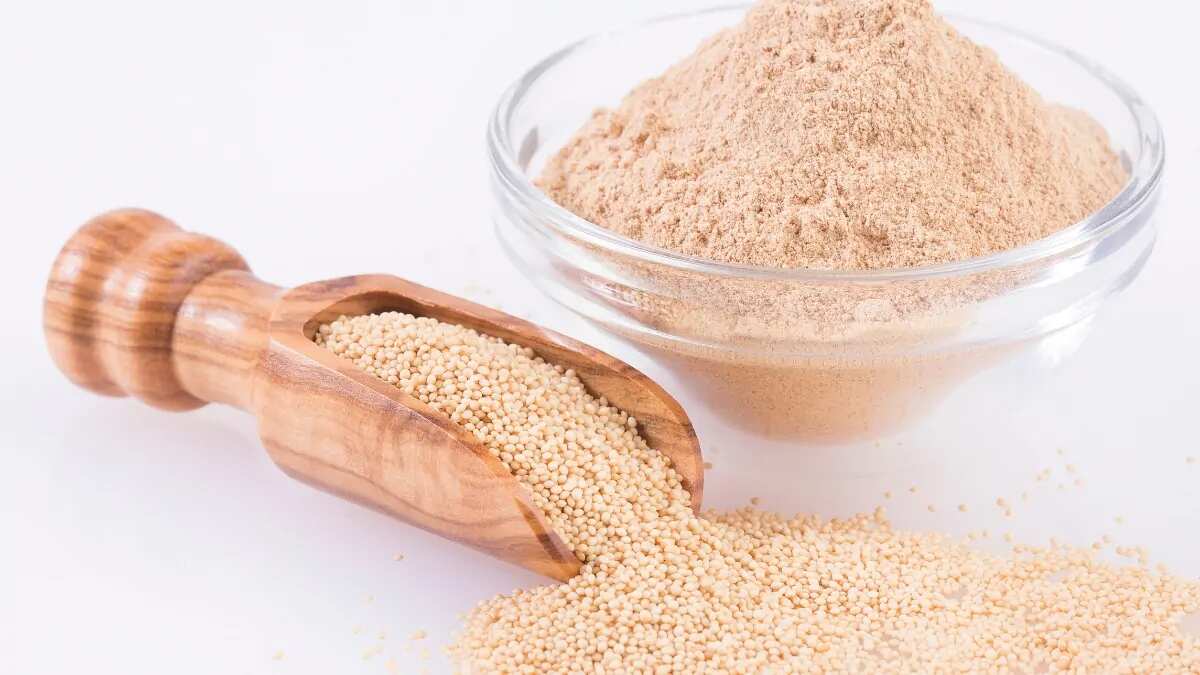
Amaranth flour, also known as rajgira atta, is one of the most nutritious fasting flours. Packed with protein, calcium, and iron, vrat-friendly dishes made with rajgira atta provide you with sustained energy on the days you’re fasting. You can take raw rajgira seeds or roast them slightly before grinding in the Usha mixer grinder. Pulse and sieve the atta for a silkier flour. Use the homemade flour to make halwa, poori, or laddus.
Samak Chawal Atta
Image Credit: Adobe Stock
Samak chawal, aka barnyard millet, perfectly replaces regular rice to help you replicate your favourite recipes. From dosas to idlis, you can grind samake ke chawal into a flour, make the batter, and whip up your favourite delicacies. Just remember that the barnyard millet grains are smaller and softer than the rest, so you’ll get a well-ground flour faster. So, brief pulses are the trick to get the ground atta.
Sabudana Flour
Image Credit: Magnific
Sabudana, or tapioca pearls, are usually soaked and cooked for most vrat recipes. However, you can grind the tapioca pearls into a smooth flour and make vrat-friendly dishes like thalipeeth, cheela, and even use it as a thickening agent for gravy-based dishes. Since sabudana flour is starchy and almost flavourless, you can mix it with kuttu or rajgira atta to make softer rotis, pooris, and parathas.