


 Share
Share

Millets are making a comeback in the day-to-day meals, and for good reason. Once a staple in Indian kitchens, they are now once again being recognised as nutritionally superior grains that fit in seamlessly into everyday diets. Unlike the refined cereals, millets deliver supported energy levels, better satiety, and improved metabolic balance. According to the research, millets help in regulating blood sugar and lipid levels as they have high fibre and polyphenol content.
What makes millets more applicable today is their adaptability; they can be used in everyday cooking without changing the whole eating habit. With growing evidence linking them to better gut health, diabetes management, and heart health, millets are no longer just traditional grains, but they are a smart, future-ready dietary choice.
Why Adding Millets To Daily Diet Is Beneficial?
Adding millets to your diet is strongly backed by scientific evidence as well. The research emphasises that millets are rich in fibre, antioxidants, and essential minerals that support immunity and metabolic health.
Further, certain studies explain that millet-based meals help in reducing cholesterol, regulating blood pressure, and improving the gut microbiota due to their bioactive compounds.
Millets To Add To Your Diet
From increasing energy to improving digestion, these millets offer targeted benefits, making them worth adding to your everyday routine. By including even one millet-based meal day-to-day, you can improve digestion, stabilise your energy levels, and support long-term health benefits, without revamping your diet.
Ragi (Finger Millet)
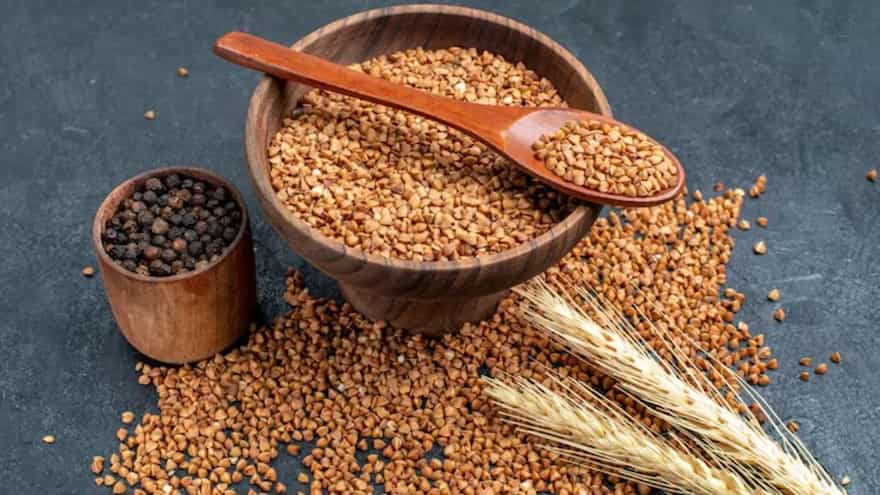
If you are looking for an easy, everyday source of calcium, ragi fits in effortlessly. It is naturally rich in minerals that support bone strength, while its dietary fibre helps in slow digestion and keeps the energy levels steady. Instead of treating it like a healthy add-on, simply use it like a staple, consider warm ragi porridge for breakfast, soft rotis for lunch, or crisp dosas. You can even shape ragi to make laddoos out of it, making it one of the easiest millets to fit into your everyday routine without altering your habits too much.
(Image credit: Freepik)
Bajra (Pearl Millet)
Bajra works best when you trust in its comforting, hearty nature. It is rich in iron and magnesium, supports energy and heart health, and slows digestion to keep you full for longer, making it perfect to have for hectic days. In everyday meals, bajra can be included in simple forms, such as in hot crisp rotis with a dollop of ghee, a khichdi, or even a warm grain bowl mixed with seasonal vegetables. It doesn’t need any complex recipes; just small swaps can make your meals more fulfilling and nourishing.
Jowar (Sorghum)
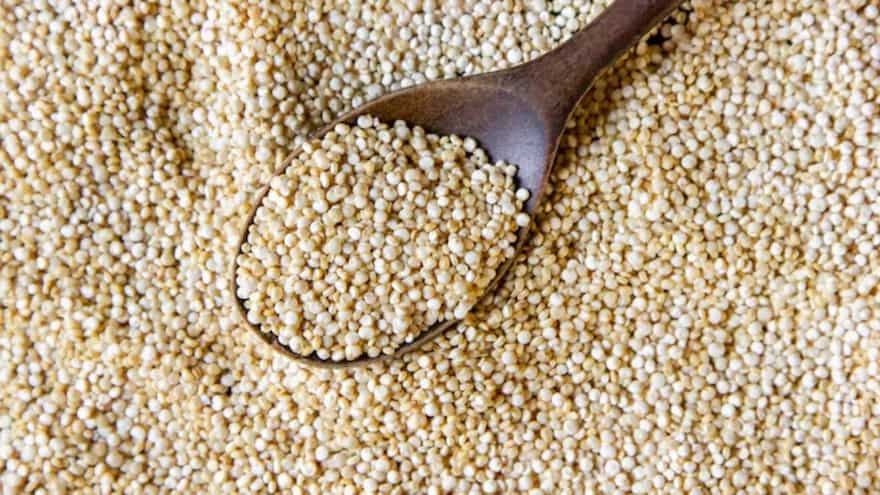
Jowar is one of the most effortless millets that you can add to meals. Naturally gluten-free and rich in fibre, it supports digestion while keeping food light. It also offers a great balance of protein and minerals. Instead of depending only on the regular wheat, you can switch to jowar rotis or bhakri a few times a week. Jowar also works well in baked snacks or in homemade crackers. That little earthy taste remains with you, making you go for it again, rather than an occasional healthy choice.
(Image credit: Freepik)
Foxtail Millet
Foxtail millet is excellent for meals where you want something light but also nourishing. Known for supporting regulated blood sugar. It releases energy slowly throughout the day. The easiest way to use foxtail millet is by treating it like rice, making a quick vegetable pulao with it in place of regular basmati rice, a simple upma, or even a comforting khichdi. It mixes effortlessly into familiar flavours without thinking too much about it, which makes it perfect if you’re just beginning to include millets in your diet.
Barnyard Millet
Barnyard millet is often used during fasting, but it also fits well into day-to-day meals. It is light, easy on the stomach, and rich in fibre. It has a role in managing blood sugar and supporting the weight balance. What makes it useful is how quickly it can be cooked. You can turn it into a simple khichdi, a quick pulao, or even a sautéed bowl with peanuts and basic spices. It is perfect for days when you want something light but also filling.
Little Millet
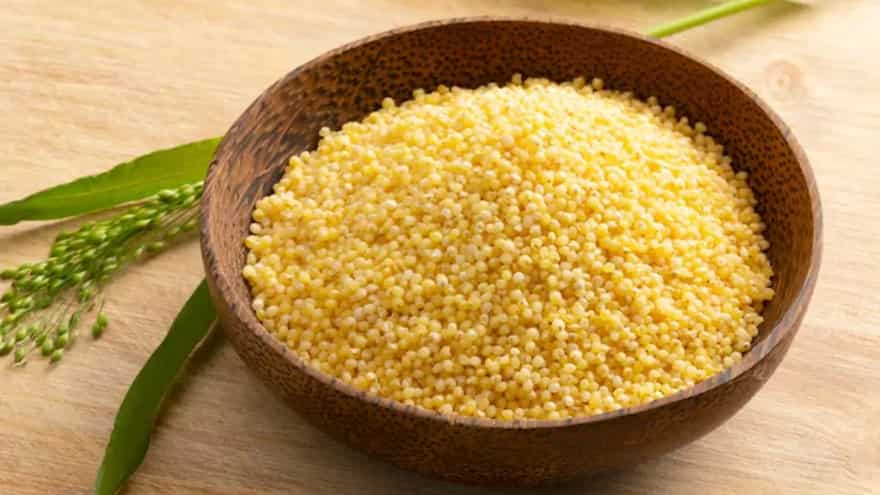
Little millet is one of the most flexible grains you can have for daily use. Rich in fibre and minerals, it supports steady energy without making meals feel too heavy. The easiest way to include it is by swapping it for rice. It works beautifully in dishes such as lemon rice, curd rice, or even in a simple dal-rice combination. The light texture of little millet and neutral taste make it easy to adapt, particularly if you’re easing into millets without wanting to drastically change your eating habits.
(Image credit: Freepik)




