


 Share
Share

With Sawan 2026 just around the corner, households across India have started to prepare for one of the most spiritually meaningful months of the Hindu calendar. Devoted to Lord Shiva, the holy month of Sawan is a time when various food traditions across regions take centre stage. While many readily associate the season with ghevar, the culinary landscape of India has to offer far more than this iconic dessert.
Every region has its own dessert that is prepared using local ingredients, seasonal produce, and recipes that have been passed down through generations.
Coconut, jaggery, rice flour, fresh turmeric leaves, milk and ghee all find their way into recipes that are made precisely during this month. Many of these sweets are also offered as bhog to Lord Shiva, and then shared among families.
If you also want to explore what India enjoys during the Sawan beyond their usual favourites, these regional sweets deserve a spot on your festive spread.
Ghevar, Rajasthan
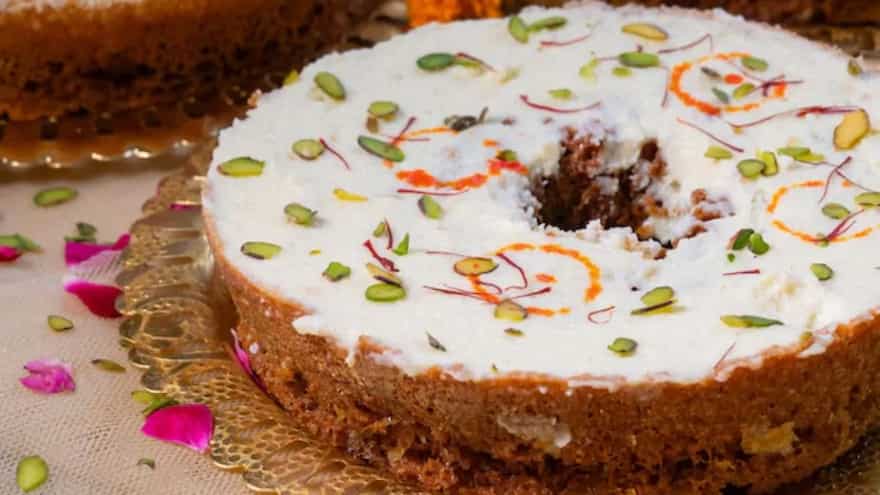
No Sawan in Rajasthan can feel complete without having a sumptuous serving of ghevar. This honeycomb-like sweet is prepared by pouring a thin batter that is made of refined flour, ghee and chilled water, which is then poured over hot ghee, making its signature lace-like surface. Once it is fried until golden brown, it's soaked in sugar syrup and then topped with rabri, saffron, pistachios or silver leaf to make it look appealing.
The dessert is particularly popular during the festival of Hariyali Teej and Raksha Bandhan, both of which fall during the Sawan. Crisp from the edges and soft from the centre, ghevar has a richness in every bite.
(Image credit: Freepik)
Patoli, Goa And Coastal Maharashtra
Covered in turmeric leaves, patoli is one of the most unique sweets that you will ever come across. It is prepared in Goa and parts of coastal Maharashtra during Sawan. It is basically a smooth rice flour batter that is spread over fresh turmeric leaves, and then in the centre, it is filled with a mixture prepared of grated coconut, jaggery and cardamom, then folded and steam-cooked.
As it cooks, the leaves aromatise the sweet with a light, earthy aroma. Patoli is particularly prepared during festivals like Nag Panchami, as it celebrates both the monsoon harvest and the abundance of fresh seasonal produce.
Arisa Pitha, Odisha
Although the sweet dish is made throughout the year, it is mostly loved during Sawan. Arisa pitha is a rural sweet that is made using rice flour and jaggery. The dough is shaped into flat discs and slowly fried in ghee until it gets a crisp outer surface while being a bit chewy from within. Sometimes, sesame seeds are also sprinkled on the top for added taste and texture.
Despite using simple everyday ingredients, arisa pitha has a deep caramel-like sweetness that it gets from the use of jaggery. Passed down through the years, it remains one of the most loved festive sweets of Odisha.
Ela Ada, Kerala
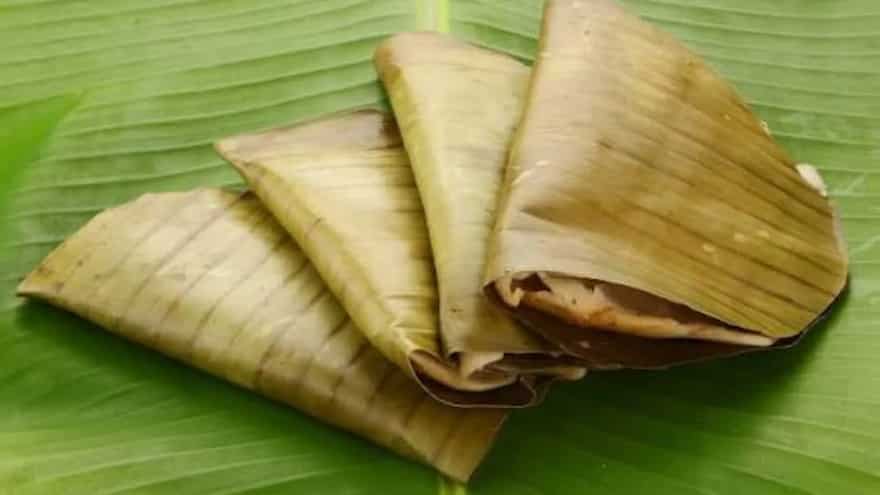
In Kerala, monsoon often brings with it the season to enjoy ela ada for breakfast and in festive spreads. This steamed dish blends rice flour dough that is filled with a filling made of grated coconut, jaggery and cardamom, all covered inside banana leaves.
The steaming process lets the banana leaf impart a subtle aroma while keeping the filling soft and naturally sweet. Light and free from refined sugar, ela ada shows Kerala's choice for minimally processed ingredients.
(Image credit: Wikimedia Commons)
Payesh, West Bengal
For Bengali households, no sacred celebration can feel complete without having payesh. During Sawan, this creamy rice pudding is commonly made as an offering and then distributed among neighbours and family members. Slow-cooked gobindobhog rice, full-fat milk, sugar or jaggery, bay leaf, cardamom and chopped nuts all come together to make a rich dessert that does not feel too heavy or overwhelming.
Unlike regular kheer, this payesh is simmered patiently on a low flame for hours until the milk gets a thick consistency naturally, giving it a sumptuous texture.




