In recent years, the global tea culture has advanced far beyond just the familiar green tea or the matcha latte. Cafés and speciality tea houses are rapidly introducing lesser-known Japanese teas all over that deliver unique flavours as well as brewing traditions. One such tea that is being talked about nowadays is Hojicha, a roasted green tea loved for its warm, nutty fragrance and mild taste.
Unlike the grassy sharpness that many people link with green tea, hojicha has a mellow flavour, which it gets through a roasting process that changes the colour of the leaves from green to a bit reddish brown. This roasting also decreases its caffeine levels, making it a popular evening drink and an appealing choice for those seeking a milder tea option.
Today, hojicha is emerging in everything from tea menus to desserts and speciality lattes. As cafés experiment with new flavours and consumers grow curious about the global tea traditions, this simple roasted tea is quietly gaining its place in modern kitchens and coffee culture around the world.
What Is Hojicha?
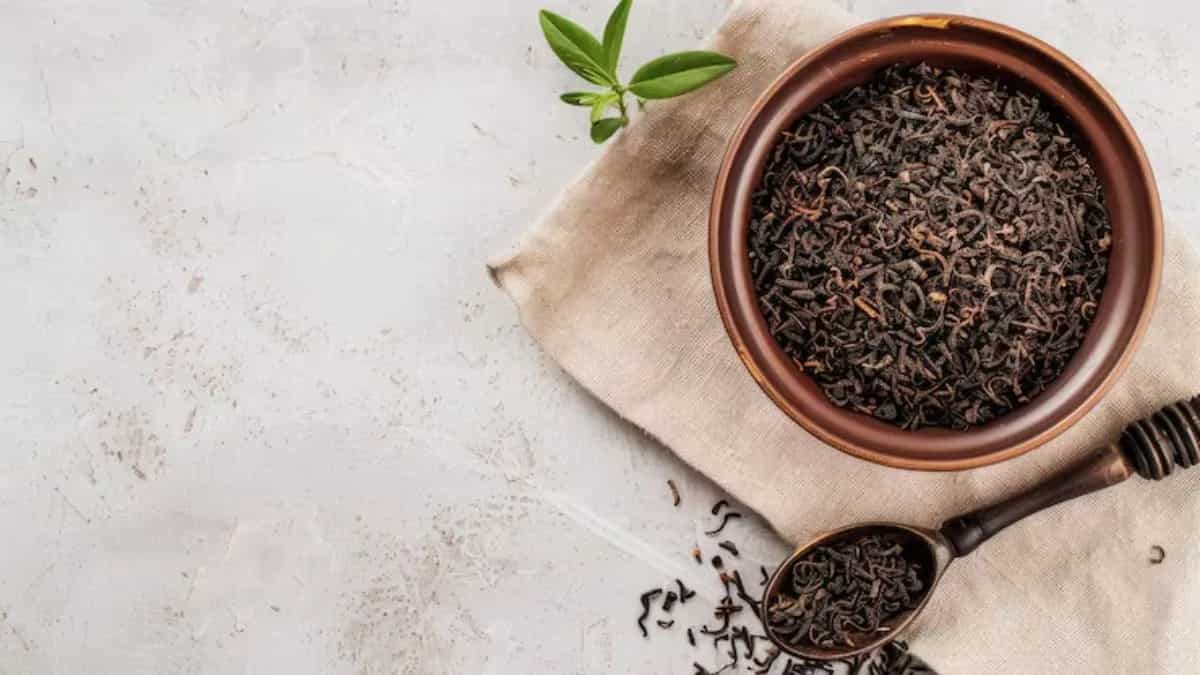
Hojicha is basically a Japanese green tea that undergoes a unique roasting process after the leaves are steamed and dried. Traditionally, it is prepared using bancha, a later crop of tea leaves, while some types may also use sencha leaves or tea stems. The roasting usually takes place in porcelain pots over a high heat, which alters both the colour and flavour of the tea.
This roasting method gives hojicha its signature toasted aroma, which is defined as nutty, slightly smoky, and lightly sweet. The tea changes to a reddish-brown shade instead of the bright green during the roasting process. Because the roasting process reduces bitterness and caffeine levels, hojicha in Japan is generally consumed after meals or even served to children and elderly people.
Its smooth texture makes it extremely easy to drink, which is one reason it has started appealing to a broader audience who look for mild green tea options.
(Image credit: Freepik)
How Hojicha Differs From Matcha
While hojicha and Matcha both are prepared from the same plant, Camellia sinensis, their presentation and flavour profiles are totally different.
Matcha is prepared from shade-grown tea leaves that are finely ground to make powder. It has a bright green colour and a concentrated flavour that is grassy, a bit bitter, and umami-rich. Because the entire leaf is consumed in powdered form, matcha also has higher caffeine content and antioxidant levels.
Hojicha, on the other hand, is roasted rather than shade-grown. During the roasting process, the tea’s flavour and the caffeine content. Rather than the grassy notes, the taste depends on the roasted nuts, caramel, and light smokiness. This makes hojicha less intense and more approachable for those who find matcha a bit strong or bitter.
(Image credit: Freepik)
How Hojicha Is Traditionally Made
The process of making hojicha starts with regular green tea leaves that have already been steamed and dried. These leaves are then toasted at high temperatures, traditionally in a ceramic roasting vessel. The roasting is carefully controlled to control the burning while letting the leaves make their signature toasted aroma.
As the leaves get heated up, they emit a warm aroma reminiscent of roasted grains or coffee. The colour slowly deepens from green to reddish-brown, which signals that the roasting has been done.
Some people who make hojicha also roast tea stems, which is known as kukicha, which is an even sweeter and lighter variety of hojicha. After roasting, the tea is then cooled and packed as loose leaves or sometimes ground to make powder for culinary use.
How Hojicha Is Used Beyond Tea
Here are five interesting ways in which hojicha is used beyond just as a tea:
Hojicha Latte
One of the most modern uses of Hojicha is in a hojicha latte. Finely powdered hojicha is whisked with hot water and then mixed with steamed milk, much like a matcha latte. The difference here is its flavour profile. Instead of the grassy taste, hojicha gives a roasted, nutty taste that pairs beautifully with milk. Its lower caffeine content also makes it appealing for those who like a warm, flavourful drink without the power of stronger teas or coffee.
(Image credit: Freepik)
Hojicha Ice Cream
Hojicha ice cream has evolved into another loved dessert that is widely used in Japan, and is slowly earning attention globally. The roasted tea powder is mixed into custard or cream bases, providing the ice cream with a subtle smoky sweetness. Unlike strongly flavoured desserts, hojicha ice cream has a balanced flavour that remains gentle rather than being overwhelming. Its earthy warmth contrasts beautifully with the cold, creamy consistency of ice cream. Because the roasted tea flavour is light yet unique, many pastry chefs often pair hojicha ice cream with caramel sauces, sesame desserts, or even a simple sponge cake.
Hojicha Cakes And Baked Goods
Pastry chefs have started using hojicha powder in baked goods like sponge cakes, cookies, and chiffon cakes. The roasted flavour adds depth to the desserts without making them too sweet. In cakes, hojicha often substitutes cocoa or matcha to make a more subtle, nutty taste that feels comforting in every bite. Bakers also enjoy the tea’s warm brown colour, which gives desserts a more natural caramel-like appearance. When mixed with ingredients such as butter, cream, or white chocolate, hojicha creates a rich flavour that goes well in layered cakes, tea cakes, and light pastries.
Hojicha Desserts And Modern Café Creations
In modern cafés, hojicha is being used creatively in a wide variety of desserts. From hojicha tiramisu and pudding to hojicha pancakes and parfaits, chefs are testing the roasted tea flavour in unpredictable ways. Its warm, nutty profile pairs beautifully with ingredients such as caramel, brown sugar, and toasted grains. Because the flavour is light yet distinctive, hojicha works well when used in layered desserts where multiple textures and tastes are mixed together. This adaptability is one of the reasons why hojicha is fast growing into a favourite ingredient in contemporary café menus and dessert kitchens.
Why Hojicha Is Gaining Popularity Worldwide
One of the biggest reasons behind hojicha’s rising popularity is its taste and accessibility. Many people who find traditional green tea a bit too grassy or bitter often like hojicha’s smooth, roasted profile. Not only this, but it also pairs well with milk, which has made hojicha lattes popular in cafés.
Another factor is the growing interest in Japanese tea culture beyond just the matcha. As consumers become more interested in regional teas and the traditional preparation methods, hojicha offers a new experience that feels both original and approachable.
Its lower caffeine content also appeals to people who are looking for a relaxing drink. Because of its toasted notes, hojicha has also entered the world of dessert, and is seen in ice creams, cakes, and pastries where it adds a light toasted flavour.