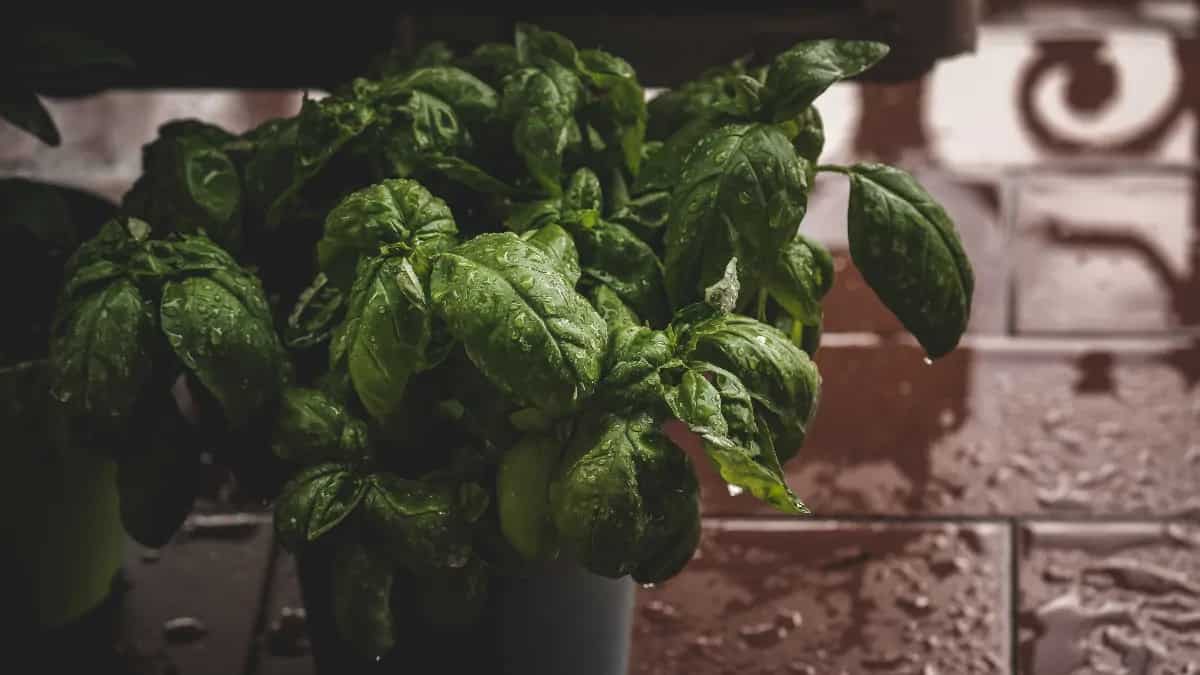
There is something wonderfully optimistic about a kitchen garden during the Indian monsoon season. After blistering weeks of heat, the first proper showers can make even a modest balcony suddenly come alive. New leaves appear, the soil is sodden and emanates petrichor, while the plants that seemed to be struggling through summer begin growing with zest. But monsoon gardening is not simply about enjoying all that greenery.
For culinary plants, excessive rain can be as troublesome as summer heat. Waterlogged soil, poor air circulation, fungal growth, weeds, and insects can quickly turn a thriving herb garden into a collection of yellowing pots and dying plants. However, the good news is that most of these problems can be prevented with a few practical changes and precautions. The central idea is simple. During the rainy season, gardening becomes less about adding water and more about managing its excess.
Indian agricultural guidance repeatedly stresses drainage, moisture management, sanitation, and regular pest monitoring during wet weather. For example, the Indian Council of Agricultural Research or ICAR's Kharif advisories emphasise drainage and avoiding waterlogging. Some standard guidelines also advise focusing on checking soil moisture before irrigating as well as keeping containers well-drained. If you grow culinary herbs and edible plants at home, here is how to make that advice work in a real Indian monsoon garden.
Handy Tips For Keeping Your Kitchen Garden Alive
Stop Watering By The Clock
One of the easiest habits to develop in gardening is also one of the must-break ones during monsoon: watering at a fixed time every day. If your plants have already received several hours of rain, then they may not need another drop from the watering can. Depending on the plant, maybe not for a few days. In fact, adding more water to an already wet or saturated soil can create precisely the conditions you should try to avoid.
Image credit: Pexels
Instead, check the soil first. Tamil Nadu Agricultural University, or TNAU, recommends scratching or just touching and checking the top and middling layers of soil to assess whether the soil is still damp before irrigating container plants. This is particularly useful for balcony gardens, where pots often receive very different amounts of rain depending on their position. For example, a pot tucked beneath an awning may still need watering while one sitting in an exposed corner may be completely saturated.
Make Drainage Your First Priority
Healthy roots need both moisture and air. When soil remains saturated or drenched for prolonged periods, roots can struggle, and waterlogging can lead to root diseases. So, make a habit of checking every drainage hole. Remove compacted soil, fallen leaves, or roots that may be blocking the openings. If your pot has a saucer underneath, then empty any standing water. ICAR advisories repeatedly recommend good drainage and elevated or raised growing areas to be safe from waterlogging due to heavy monsoon precipitation.
For a container garden, this does not necessarily mean rebuilding everything. Sometimes simply raising pots slightly on pot feet or bricks is enough to allow the excess water to escape. And if you are setting up new containers, then choose pots with proper drainage instead of simply seeking attractive planters that have no drainage openings for water to leave.
Do Not Be Afraid Of A Little Pruning
Monsoon is a useful time to become slightly ruthless and heartless with any damaged foliage. Remove yellowing, dead, badly bruised, or visibly diseased leaves rather than allowing them to remain around the base of the plant. Also, trim excessively dense growth where necessary, particularly when leaves are rubbing against one another and trapping excessive moisture. This is not about aggressively cutting healthy plants.
Image credit: Pexels
The objective is to improve airflow, remove damaged material, and make it easier for the plant to thrive in the monsoon while you monitor its well-being. Current ICAR guidelines on integrated pest management also highlight orchard sanitation and removal of affected plant material as useful measures for reducing pest pressure. The same principle works surprisingly well in a small home or kitchen garden.
Keep Fallen Leaves And Diseased Material Out Of The Pot
A few fallen leaves are perfectly normal. But a thick layer of wet, decomposing foliage sitting against the stem is a completely different matter. Clear away any plant debris regularly, particularly if it appears diseased. This helps keep the growing area clean and makes it easier to spot insects or fungal problems.
Image credit: Pexels
Be Sensible About Neem And Other Pest Treatments
Neem-based preparations are often discussed in home gardening. And Indian agricultural institutions do recognise botanical and neem-based approaches within integrated pest management. For example, the ICAR guidelines encourage neem-based formulations, botanical extracts, and biological control alongside regular pest monitoring. But natural does not automatically mean you can use it unnecessarily or excessively.
Identify the pest first, then follow your preferred product's instructions (even if using a commercial preparation), and pay attention to any stated precautions or harvest intervals. For edible plants, indiscriminate spraying is even more unhelpful. Sometimes the best first response to pests remains simply removing a handful of affected leaves or insects by hand (gloved or ungloved, your choice).
Support Plants Before The Wind Does It For You
Heavy rain is often accompanied by gusty winds, particularly during thunderstorms and seasonal depressions. Tall or top-heavy plants can bend, snap, or become unstable when the soil becomes soft or muddy. Always remember to check plant supports before the weather becomes extreme. You can use simple stakes, ties, or even strong trellises where appropriate. Just make sure the ties are not so tight that they damage growing stems. For larger outdoor plants, ICAR's monsoon advisories specifically mention supporting plants to reduce the damage caused by excessive wind and rain. Even in a kitchen garden, five minutes spent securing a plant can save weeks of growth and effort.