


 Share
Share

The showers of the monsoon season do more than just cool the air. They also make one of the best farming windows if you are a home gardener. The soil remains moist for a long time, the temperature remains temperate, and seeds get the constant water they require to sprout quickly. Young plants also settle in better as there is no harsh summer heat. If you have also been waiting to start a balcony, terrace, or even a windowsill garden, monsoons are the perfect moment.
Monsoon sowing provides many vegetables with a strong head opening, and with very basic care, you can enjoy fresh harvests that will be ready by the month of September. From leafy greens to quick root crops, several pot-friendly vegetables produce beautifully throughout this season. All they require is good drainage, a little sunlight, and frequent attention. For anyone who likes the taste of homegrown crops, the rainy season is not just perfect; it is also the best time to start.
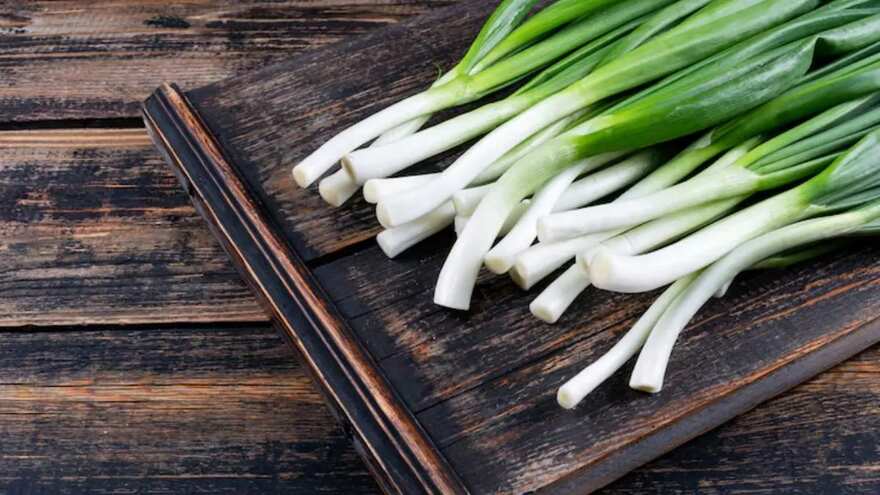
Spring Onions
Spring onions are one of the easiest vegetables you can grow during the monsoon season, as the cool temperatures and naturally moist soil make for favourable conditions. They need very little maintenance and can be harvested in just 6 to 8 weeks. Pick a container that is at least 6–8 inches deep and fill it with loose, well-draining soil enhanced with compost.
Sow the seeds or plant the white bulb tops with roots intact, and leave enough space between each plant. Keep the pot in a spot that gets 4–5 hours of sunlight on a daily basis and water only when you see that the topsoil has dried. Harvest the tender green stalks as required to add fresh flavour to soups, noodles, salads, omelettes, and stir-fries.
(Image Credit: Freepik)
Radish
Radishes flourish in moist soil and grow extremely fast, often in 30 to 40 days. They need deeper containers, at least 10–12 inches, so that the roots can develop appropriately. Sow seeds directly rather than transplanting seedlings, as root vegetables do not like disturbance. Thin the seedlings once they appear, so there is no overcrowding, providing enough space for each root to grow.
With constant watering and adequate sunlight, you'll be able to pull the crisp, tender radishes from your pots before the season ends, making them one of the most rewarding vegetables of the season.
Fenugreek
Fenugreek or methi is one of the simplest leafy vegetables that you can grow at home, and it also does not need big containers. A shallow tray or pot around 6 to 8 inches deep is enough. The seeds sprout quickly during the rainy season, and the leaves are often ready for harvesting within three to four weeks.
Except for just the fresh greens for curries and parathas, methi constantly delivers new foliage if only the top leaves are reaped. Rich in fragrance and taste, fenugreek remains one of the most fruitful crops for small urban gardens.
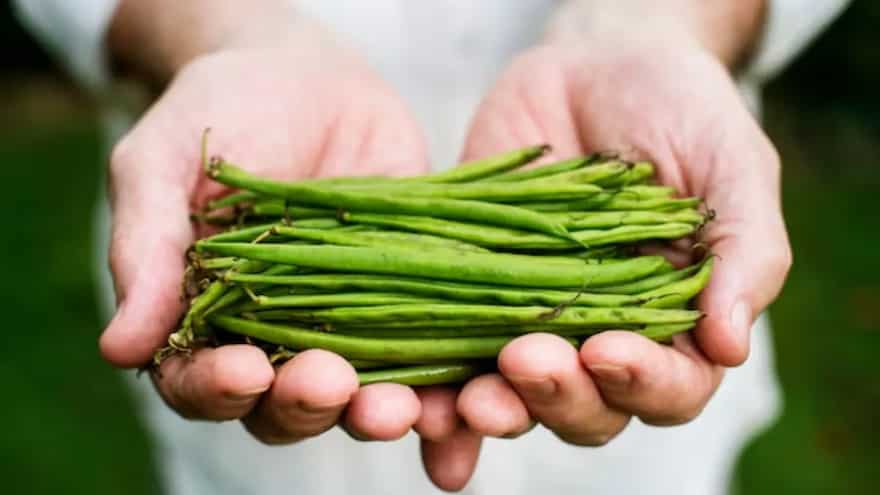
Bush Beans
Bush beans perform incredibly well when planted during the pre-monsoon as they like warm soil without intense summer heat. Unlike climbing beans, they do not need any intricate supports, making them perfect to even sow in pots. Choose containers that are around 10 inches deep and sow the seeds directly into the soil.
The plants start flowering within a few weeks before bearing tender green pods that can be harvested continually. Picking the beans on a regular basis enables the plants to keep flowering, giving you fresh harvests throughout.
(Image Credit: Freepik)
Coriander (Dhania)
Fresh coriander thrives in the mild, humid conditions of the monsoon, making it one of the quickest herbs to grow at home. Select a shallow container about 6 inches deep and fill it with fertile, well-draining soil mixed with compost for healthy growth.
Lightly crush the coriander seeds before sowing to improve germination, then cover them with a thin layer of soil. Place the pot where it receives 3–4 hours of morning sunlight and keep the soil evenly moist without overwatering. Within 3–4 weeks, you'll have fragrant coriander leaves ready to harvest for garnishing curries, chutneys, dals, and salads.




