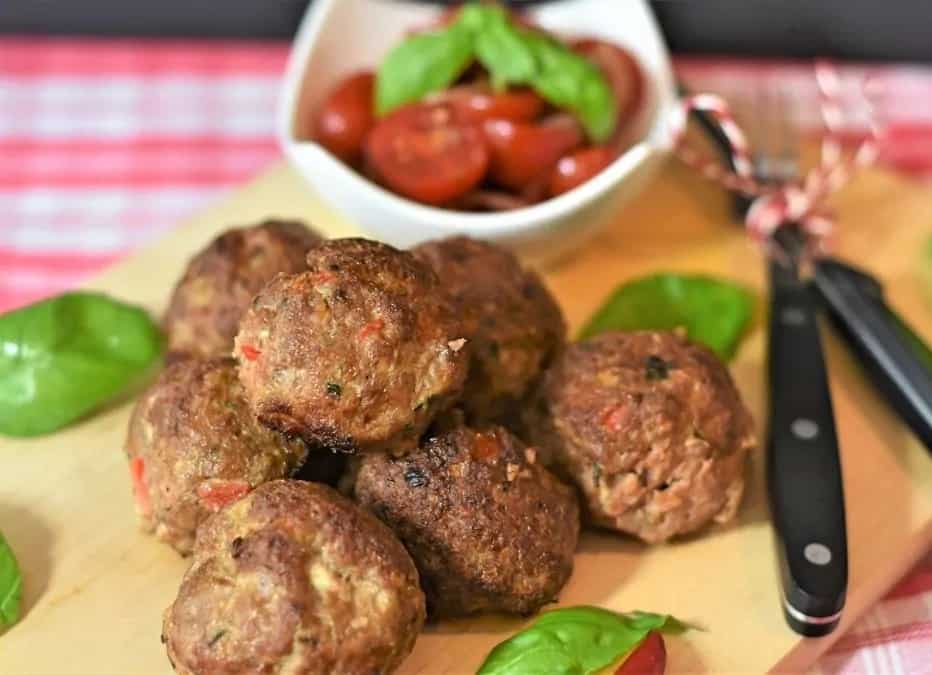
Meatballs, a beloved culinary delight with a rich history, can be traced back to ancient civilizations. Originating in the Middle East and spreading through trade routes, they evolved into a versatile dish cherished worldwide. The concept of shaping ground meat into small balls emerged as a practical way to utilise and preserve meat efficiently. Each culture infused its own unique flavours and ingredients, resulting in a delightful assortment of meatball varieties.
From the Italian "polpette" served with pasta to the Swedish "köttbullar" enjoyed with lingonberry sauce and the Turkish "köfte" spiced with aromatic herbs, meatballs have become culinary ambassadors representing their cultural heritage. This humble yet diverse dish continues to transcend borders, captivating taste buds across the globe.
Classic Meatball Varieties
1. Italian Meatballs (Polpette):
Italian meatballs, known as "polpette," are made from a blend of ground beef, pork, or veal mixed with breadcrumbs, grated cheese, eggs, and aromatic herbs like parsley and oregano. Served in a flavorful tomato sauce, they are a staple in dishes like spaghetti and meatballs or as a mouthwatering appetiser. Their tender texture and savoury taste have made them a global favourite, capturing the essence of Italian comfort cuisine.
2. Swedish Meatballs (Köttbullar):
Swedish meatballs, or "köttbullar," boast a delightful blend of ground beef and pork, subtly seasoned with allspice, nutmeg, and sometimes onions. These small, tender spheres are traditionally served with a creamy gravy, accompanied by lingonberry sauce and potatoes. A cherished part of Swedish culture, köttbullar have gained international acclaim and are often enjoyed as a comforting and satisfying meal.
3. Turkish Meatballs (Köfte):
Turkish köfte are flavorful meatballs made from ground lamb or beef, mixed with grated onions, breadcrumbs, and an array of spices like cumin, paprika, and mint. They come in various shapes and sizes and are often grilled or cooked in a rich tomato-based sauce. Served with flatbread, rice, or in a pita wrap with fresh veggies and yoghurt sauce, köfte offers a delightful burst of Mediterranean flavours.
Each of these classic meatball varieties carries a unique cultural significance, reflecting the culinary heritage and traditions of their respective regions.
Exploring Lesser-Known Meatball Varieties
1. Middle Eastern Kofta:
Kofta, prevalent in Middle Eastern and South Asian cuisines, features ground lamb, beef, or chicken blended with grated onions, herbs, and spices like coriander, cumin, and cinnamon. Skewered and grilled or simmered in savoury sauces, kofta showcases a delightful balance of aromatic flavours, making it a tantalising treat enjoyed with rice, flatbreads, or in wraps.
2. Chinese Lion's Head Meatballs:
Hailing from China's Jiangsu province, Lion's Head Meatballs are generously sized and made with a mix of ground pork and seasonings like ginger, soy sauce, and Shaoxing wine. Unique to this dish is the use of cabbage leaves to wrap the meatballs, infusing them with a delicate sweetness. Cooked in a savoury broth, these meatballs symbolise prosperity and are often served on festive occasions.
3. Greek Keftedes:
Keftedes, Greece's flavorful meatballs, combine ground beef or lamb with breadcrumbs, onions, garlic, and aromatic herbs like mint and oregano. Pan-fried to perfection, they boast a crispy exterior and juicy interior. Often served as meze with tzatziki sauce, these delightful bites showcase the essence of Greek hospitality and are perfect for sharing.
4. Indian Kofta:
Indian koftas are vegetarian delights made from various ingredients like potatoes, paneer (Indian cheese), or mixed vegetables, bound together with chickpea flour and spices like garam masala and turmeric. These vegetarian balls are either deep-fried or simmered in rich gravies, making them a delectable addition to Indian curries and rice dishes.
5. Vietnamese Bò Viên:
Bò Viên are Vietnamese beef meatballs crafted from a blend of ground beef, tapioca starch, garlic, and fish sauce. The texture is springy and tender, and they are often served in a hearty beef noodle soup called "pho" or enjoyed as a popular street food snack on bamboo skewers, served with dipping sauces.
These lesser-known meatball varieties exemplify the diverse culinary landscape across regions, highlighting the art of blending unique ingredients and techniques to create an array of delectable meatball experiences.
Meatballs Beyond Beef
Meatballs beyond beef have opened up a world of diverse and tantalising flavours, each boasting its own unique regional significance. Lamb meatballs, often found in Mediterranean and Middle Eastern cuisines, offer a succulent and slightly gamey taste. They are seasoned with herbs like rosemary, thyme, and mint, complementing their distinct flavour. Veal meatballs, popular in Italian cuisine, exude tenderness and mildness, often combined with Parmesan cheese, nutmeg, and lemon zest for a delightful taste.
Pork meatballs, widely enjoyed in Asian cuisines, deliver a juicy and rich experience. Seasoned with soy sauce, ginger, and garlic, they capture the essence of the East. Chicken meatballs, common in various cultures, present a lighter alternative, featuring herbs like basil, cilantro, or lemongrass for a refreshing touch. Game meatballs, such as venison or wild boar, showcase robust flavours, appealing to meat enthusiasts seeking adventurous tastes. Embracing these alternative meatball varieties adds a world of culinary diversity and regional flair to the dining table, inviting food lovers to savour the distinctive tastes of various cultures.
Meatball Sauces and Accompaniments
Meatball sauces and accompaniments play a crucial role in elevating the overall meatball experience, offering a spectrum of flavours that harmonise with the savoury goodness of the meatballs. Traditional sauces, like Italian marinara or tomato-based gravies, coat meatballs with a luscious, tangy richness that pairs perfectly with pasta or crusty bread. Unique sauces vary across cultures, such as the creamy gravy accompanying Swedish meatballs, infused with a touch of sweetness from lingonberry sauce. Turkish meatballs are often served with yoghurt-based sauces, adding a refreshing contrast to their robust flavours.
Side dishes like buttery mashed potatoes or steamed rice provide a hearty and comforting foundation for meatballs, allowing the flavours to meld harmoniously. Crisp salads with fresh greens and tangy dressings offer a refreshing counterpoint to the richness of meatballs. Garnishes like chopped herbs, grated cheese, or zesty lemon zest add vibrant pops of flavour and texture. The versatility of meatball sauces and accompaniments allows for a delightful culinary journey, encouraging diners to mix and match flavours to create a personalised and satisfying meal.
As we conclude this flavorful journey through the world of meatballs, we are reminded of the incredible diversity and cultural richness this humble dish brings to our tables. From Italian "polpette" to Chinese Lion's Head Meatballs, each variety showcases a unique blend of ingredients and techniques that capture the essence of their respective regions. Let us embrace the opportunity to venture beyond the familiar and savour lesser-known meatball varieties, for in doing so, we unlock a world of delightful flavours and culinary treasures waiting to be explored and enjoyed. Bon appétit!
Recipe For Italian Meatballs
Video Credits: Natashas Kitchen/YouTube
Ingredients:
1 pound ground beef (preferably a mix of beef and pork)
1/2 cup breadcrumbs
1/2 cup grated Parmesan cheese
1/4 cup chopped fresh parsley
2 cloves of garlic, minced
1 small onion, finely chopped
1/4 cup milk
1 large egg
1 teaspoon dried oregano
1 teaspoon of dried basil
1/2 teaspoon dried thyme
1/4 teaspoon red pepper flakes (optional, for added heat)
Salt and pepper to taste
Olive oil for frying
For the sauce (optional):
2 cups tomato sauce (homemade or store-bought)
1 clove of garlic, minced
1/2 teaspoon dried oregano
1/2 teaspoon dried basil
Salt and pepper to taste
Instructions:
In a large mixing bowl, combine the ground beef, breadcrumbs, grated Parmesan, chopped parsley, minced garlic, and finely chopped onion.
In a separate small bowl, whisk together the milk and egg. Pour the mixture into the bowl with the other ingredients.
Add the dried oregano, basil, thyme, red pepper flakes (if using), salt, and pepper to the mixture. Using clean hands, gently mix all the ingredients until well combined. Avoid overmixing to keep the meatballs tender.
Let the meatball mixture rest in the refrigerator for about 30 minutes. This allows the flavours to meld and the breadcrumbs to absorb some moisture, making the meatballs juicier.
Preheat the oven to 375°F (190°C). Line a baking sheet with parchment paper.
Take the meatball mixture out of the refrigerator. With slightly wet hands, form the mixture into meatballs, about 1 to 1.5 inches in diameter. Place the meatballs on the prepared baking sheet, leaving some space between each.
In a large skillet, heat a few tablespoons of olive oil over medium heat. Once the oil is hot, add the meatballs in batches, being careful not to overcrowd the pan. Brown the meatballs on all sides, about 2–3 minutes per side. This step adds extra flavour and a nice crust to the meatballs.
Once the meatballs are browned, transfer them to a separate plate. You don't need to cook them all the way through at this stage; they will finish cooking in the sauce later.
If you want to serve the meatballs with sauce, you can make a quick tomato sauce in the same skillet. In the same pan where you browned the meatballs, add minced garlic, dried oregano, dried basil, salt, and pepper. Cook for a minute until the garlic becomes fragrant.
Pour in the tomato sauce and stir to combine with the seasonings. Let the sauce simmer for a few minutes.
Add the browned meatballs to the simmering sauce. Gently coat the meatballs with the sauce, making sure they are submerged. Lower the heat, cover the skillet, and let the meatballs simmer in the sauce for about 15–20 minutes, or until they are fully cooked through.
Once the meatballs are cooked and tender, they are ready to be served. You can plate them over cooked pasta, on a sub roll for a sandwich, or on their own as an appetiser.
Garnish the meatballs with additional grated Parmesan and chopped fresh parsley, if desired.
Enjoy your homemade Italian meatballs with your favourite accompaniments, and savour the authentic flavours of this classic dish!