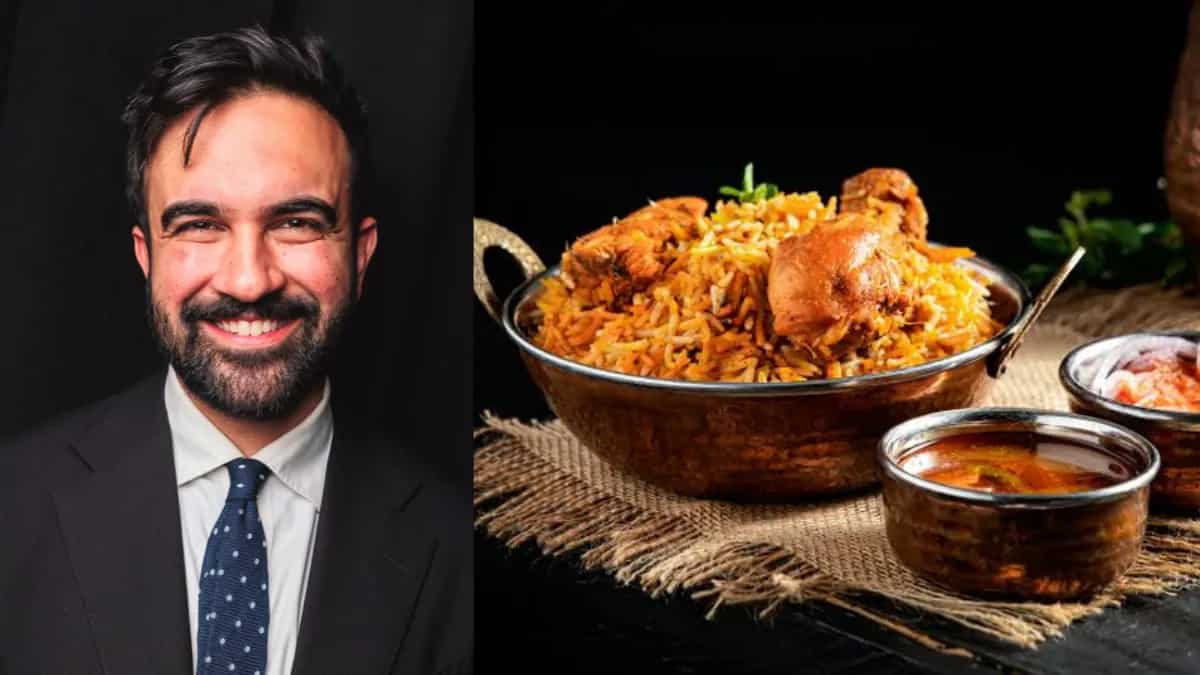
On 1 January 2026, Zohran Mamdani stood in the historic, abandoned City Hall subway station and took his oath of office on his grandfather’s Quran, becoming the first South Asian and first Muslim Mayor of New York City. While the world watched the political shift, the Indian diaspora saw something deeper: a man who unapologetically carries the scents and tastes of the subcontinent into the halls of Western power. The son of world-renowned filmmaker Mira Nair and acclaimed academic Mahmood Mamdani, Zohran’s upbringing was a masterclass in cultural fusion. Yet, throughout his rise, from a rapper known as Young Z to a State Assemblyman and now Mayor, he has used food as his most potent tool for connection. For Mamdani, food is a battleground for identity. He famously made headlines during his campaign for refusing to use a fork when eating rice, sparking a viral debate on civilisational standards. His response was a masterclass in authentic pride: Everybody eats with their hands, whether you’re eating chicken wings or biryani. From the Kikomando chapati and beans of his Ugandan-Indian heritage to the specific stalls of Jackson Heights, his palate is a map of the global South. He doesn't just eat Indian food; he defends the right to consume it traditionally. As he settles into Gracie Mansion, the aroma of tempering spices and the crinkle of a Rajnigandha packet have become as much a part of his persona as his Fast and Free Buses platform.
Biryani From Kabab King
Zohran’s standard for Biryani is legendary, and he is a vocal patron of Kabab King in Jackson Heights. For him, this isn't just a meal but a communal experience that must be eaten with one's hands to truly appreciate the texture of the long-grain Basmati and the tender, spice-laden meat. He treats the dish as a litmus test for authenticity, preferring the layered, aromatic style that avoids the yellow rice clichés of Westernised Indian food. This specific preference underscores his commitment to supporting immigrant-owned mom-and-pop shops over the polished, gentrified dining rooms of Manhattan.
Image credit: Pexels
The Viral Rajnigandha
In a moment that became an instant classic on Desi social media, Mamdani was filmed stepping out of an SUV and casually pulling a packet of Rajnigandha from his pocket. Describing it to a curious interviewer as perfume you can eat, he sparked a wave of "Muh mein Rajnigandha, kadmon mein duniya" comments across the globe. This choice of a saffron-blended mouth freshener (Pan Masala/Elaichi) is perhaps his most authentic street habit, signalling a man who hasn't lost the gritty, sensory preferences of the subcontinent despite his Ivy League-adjacent upbringing.
Image credit: Nicolas Nuvan
Aloo-Dum And Momos At Laliguras
On his first day as Mayor-elect, Zohran chose to lunch at Laliguras Bistro, a Himalayan-Indian gem in Jackson Heights, where he shared a plate of Aloo-Dum and Momos with Alexandria Ocasio-Cortez. The Aloo-Dum, a spicy, thick potato gravy, is a dish he views as the ultimate immigrant's meal, portable, inexpensive, and resilient. Paired with steamed Momos, this meal highlights his appreciation for the New Silk Road flavours that have migrated from Tibet and Nepal into the heart of the Indian culinary imagination and, subsequently, the streets of Queens.
Image credit: Adobe stock, Pexels
Sami’s Afghani-Indian Fusion
A regular at Sami’s Kabab House in Astoria, Zohran often leans towards the cross-cultural flavours of the North-West Frontier. He is known to order the seasoned chicken and sautéed spinach (Sabzi), reflecting the Afghan-Indian culinary bridge. This specific choice illustrates his nuanced understanding of the subcontinent’s history, where spices travelled through the Khyber Pass, and mirrors his own family’s history of migration across borders and oceans.
Pink Tea (Noon Chai) At Little Flower
For a moment of quiet reflection, the Mayor is often spotted at Little Flower Cafe in Astoria, sipping on Noon Chai. This salt-based, pink Kashmiri tea is a far cry from the sugary Chai Lattes of Starbucks. His preference for this traditional, often misunderstood beverage speaks to a refined palate that values regional specificity. It serves as a sensory reminder of his mother’s artistic roots and the complex, often bittersweet history of the Kashmiri region.
Image credit: Adobe Stock
The Rolex And Chapati
Reflecting his Ugandan-Indian roots, Zohran has a deep-seated love for the Rolex (a rolled egg-chapati) and Kikomando (sliced chapati and beans). While these are East African staples, they are fundamentally Indian at their core, born from the Indian diaspora’s adaptation of wheat flour to local African ingredients. For Zohran, these dishes represent the Third World solidarity that defines his politics, serving as a reminder that his heritage is as much about the Indian Ocean trade routes as it is about the mainland.
Papi Juice And Street Halal
Mamdani is perhaps the first Mayor to have a Halal Cart map of the city etched into his memory. He has often been seen eating a late-night plate of Chicken over Rice or Lamb Gyros with taxi drivers at 2:00 am. To him, the white sauce and hot sauce of a New York Halal cart are a modern evolution of Indian street food, fast, fiery, and fuel for the working class. This connection to the night-shift workers of the city is what built his political base and remains his most frequent dining habit.
Home-Style Saag And Paneer
While he enjoys the heat of the street, Zohran’s appreciation for Saag Paneer comes from the Nair-Mamdani kitchen, where the focus is on the quality of the greens and the silkiness of the texture. He prefers a version that isn't drowned in cream but instead highlights the earthy, bitter notes of mustard leaves and spinach. This dish represents the poetry of his upbringing, a sophisticated, nutritious meal that reflects the intellectual and artistic depth of his family home.
Image credit: Adobe Stock
Samosas As Political Currency
Finally, the Samosa is the unofficial snack of the Mamdani administration. During his 15-day hunger strike for taxi drivers or his various rallies, Samosas were the first food shared when the fast was broken. He treats the Samosa as a universal symbol of hospitality; a humble, triangular pastry that can be found in any corner of NYC but always tastes like the markets of the subcontinent. It is the food he uses to welcome people into his movement, one crunchy bite at a time.