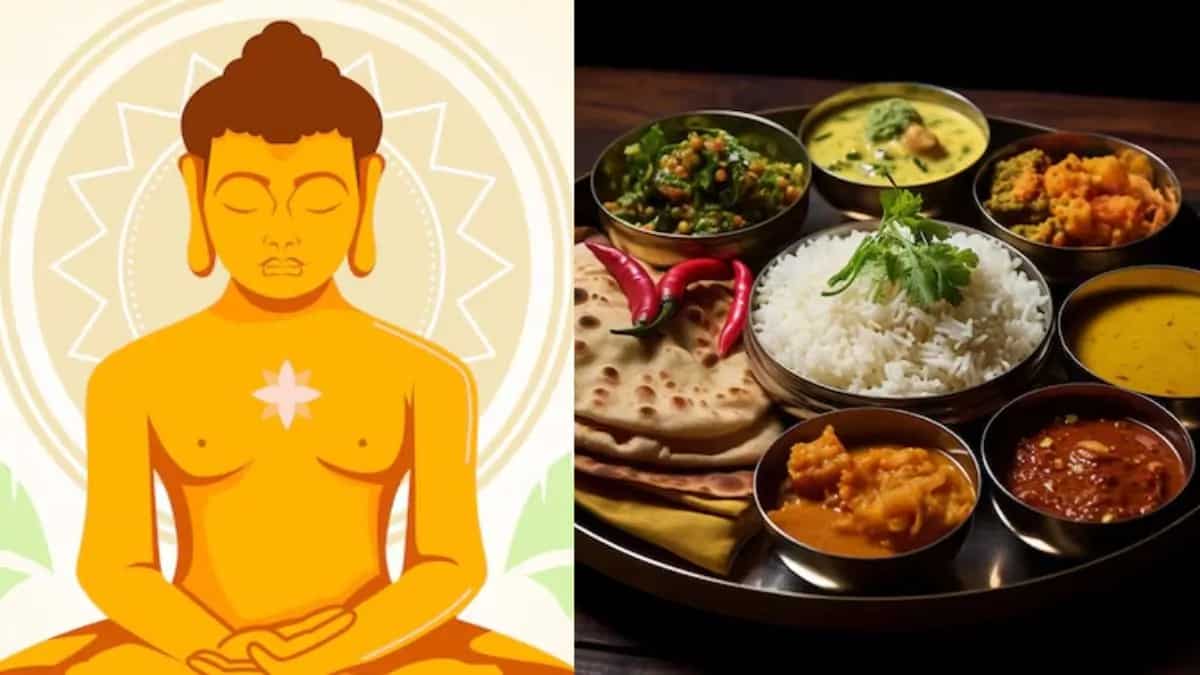
Mahavir Jayanti celebrates the birth of Lord Mahavir, the 24th Tirthankara of Jainism. It is one of the most significant festivals for the Jain community. This day is centred around meditation, devotion and mindful eating. Meals on this day are strictly satvik, and avoid root vegetables such as onion, garlic, and potatoes, along with any ingredients that may disturb the natural balance of the body or cause harm to living beings, the idea around which the Jain religion revolves.
What makes this day unique is how food becomes more than just nourishment, but it evolves as an extension of belief. The dishes prepared on this day are often simple, but not plain. They depend on mild spices, seasonal produce, and mindful cooking. Preparing satvik meals on Mahavir Jayanti at home is not just about tradition, but about making a sense of calm and purpose, where every dish feels light, perfectly balanced, and also festive in every bite, without feeling dull or boring.
Simple Lauki Sabzi
Lauki or bottlegourd is the first thing that comes to mind when simple and no-onion, garlic food has to be prepared. Loved for its light, cooling properties, lauki is cooked with minimal spices such as cumin, green chillies, and a touch of rock salt, in desi ghee. The vegetable turns soft, making a dish that feels gentle and easy on the stomach. Using simple ingredients, let the natural sweetness of the lauki shine through. It’s the kind of dish that does not ask for attention but, somehow, completes the meal, making it feel balanced and wholesome.
(Image credit: Wikimedia Commons)
Sama Rice Khichdi
Sama rice, which is usually a staple during fasting, replaces regular grains like dal or rice to make a khichdi that feels comforting as well as well-suited for the occasion. Cooked by mixing crushed peanuts, mild basic spices, and a hint of ghee, it turns out as a soft, slightly nutty-tasting dish that feels light on the stomach. Unlike other regular khichdi, this feels lighter but is still filling. The grains stay separate and soft, making each spoon feel satisfying. Sama rice khichdi fits in perfectly into a satvik meal menu of the Mahavir Jayanti.
Jain Kadhi
Jain Kadhi is a tangy and yoghurt-based dish that does not feature onions, garlic, or root vegetables. It uses gram flour (besan) for thickness, and is seasoned with cumin seeds, curry leaves, ginger powder, and mild spices, resulting in a light, smooth curry that is often paired with rice or khichdi. It is a staple of daily Jain meals. The consistency of the kadhi is light but comforting, and feels like a warm, savoury drink. It perfectly adds a layer of freshness and delicate texture to the meal, balancing out the other drier sabzis on the plate.
Cucumber And Peanut Salad
This salad adds freshness and crunch to the spread, keeping the stomach light and happy. Crisp cucumber slices are simply tossed with some roasted peanuts, a squeeze of lemon, and a pinch of rock salt. The combination feels refreshing in every bite, with the peanuts giving a gentle crunch that makes it enjoyable in every bite. It’s not just a side dish, but also acts as a palate cleanser, and is perfect for those who indulge in day-long meditation and want to keep the meals light. The simplicity of the ingredients is what makes it work so pleasingly.
Rajgira (Amaranth) Roti
Rajgira flour is often used during fasting and festivities, and has a slightly earthy flavour that adds depth to the simple dishes. When rolled into dough to make rotis, it makes a soft but slightly grainy texture that pairs perfectly with light sabzis. These rotis are usually smaller and softer, and require gentle handling while cooking, unlike regular rotis. Once prepared, they have a mild nuttiness that complements the overall meal. The taste of the rajgira roti does not overpower; instead, it supports the other dishes, making it light, simple, and satvik in every bite, and aligning with the day's food adherence.
Dry Fruit And Coconut Ladoo
To complete the whole meal, a simple sweet that is prepared from dry fruits and coconut gives just the right amount of indulgence. These ladoos are naturally sweetened, as dates or a small amount of jaggery are used in place of white refined sugar, and shaped into small, bite-sized portions. The texture is rich but not too heavy, and the coconut adds a slight chewiness to the ladoos. It’s a dessert that feels whole without being excessive and something that thoroughly satisfies, keeping intact the eating rules of the festival.
(Image credit: Freepik)