


 Share
Share

Shravan meals are usually made with fewer ingredients. They avoid regular grains and use rock salt in place of regular salt. The cooking stays light but still needs planning. One-pot meals are easy and help save time in the kitchen. They also reduce the number of vessels used. You can prepare them quickly and still have something that feels complete and wholesome. These recipes match Shravan guidelines and use ingredients that are already found in most homes during this season. Each dish uses one pot or pan, and each one includes common fasting ingredients that suit most people. The flavours are balanced and the cooking process is simple.
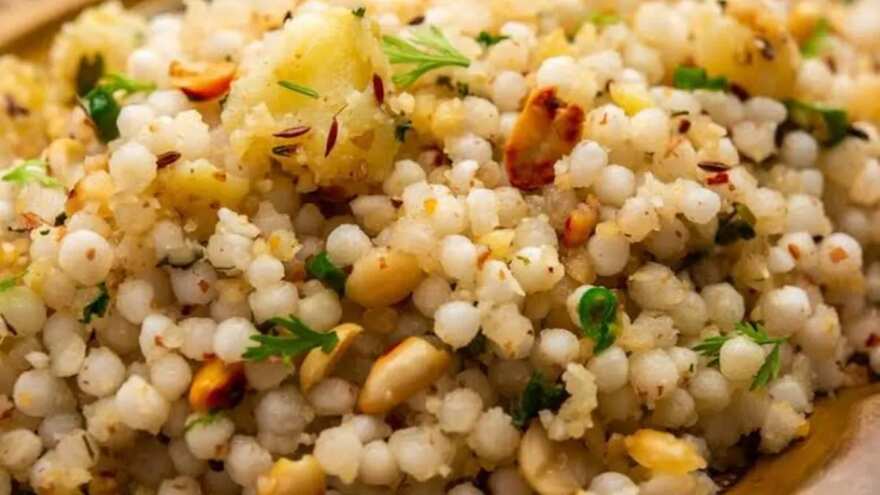
1. Samak Rice Khichdi With Peanuts
Samak rice is used often during Shravan. It cooks faster than regular rice and pairs well with roasted peanuts. Start by rinsing one cup of samak rice in water. Keep it aside for a few minutes. In a pressure cooker or thick-bottomed pan, heat one spoon of ghee. Add cumin seeds and let them pop. Add chopped green chillies, grated ginger, and a few curry leaves.
Now add a handful of roasted peanuts. Sauté everything for half a minute. Add the rinsed samak rice and two and a half cups of water. Sprinkle rock salt. Close the lid and let it cook until the rice turns soft. The peanuts give crunch, and the jeera adds flavour. Serve this with plain curd or a bowl of fruit on the side.
2. Lauki Sabudana One-Pot Stew
Sabudana and lauki go well together in a warm, soft-textured dish. First, soak one cup of sabudana in water for about two hours. Drain once it turns fluffy. Peel and chop one small lauki. In a wide pan, heat one spoon of ghee and add cumin seeds, grated ginger, and one chopped green chilli.
Add the chopped lauki and cook for five to seven minutes. Once the lauki softens, add the soaked sabudana. Stir gently and sprinkle rock salt. Cook everything on low heat until the sabudana turns transparent. Add a squeeze of lemon juice and chopped coriander leaves before serving. The dish is mild and works well with a glass of chaas.
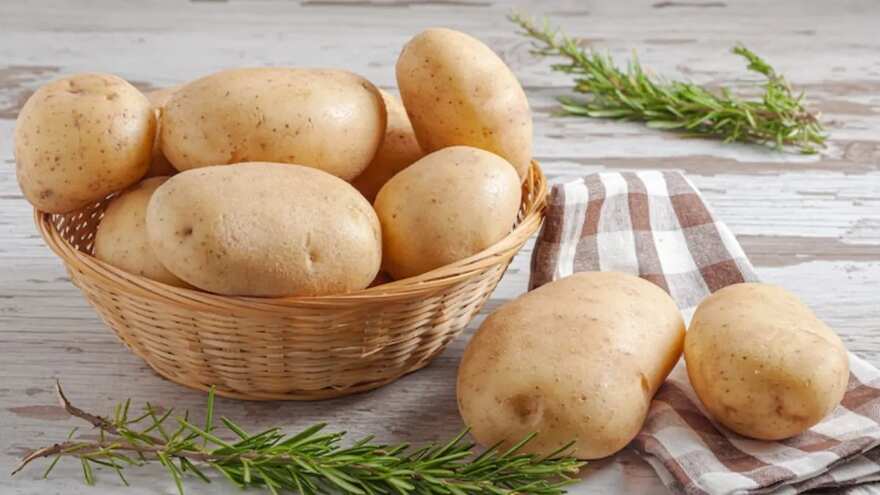
3. Potato Dumplings In Buttermilk Curry
This dish uses steamed dumplings made with kuttu flour and mashed potatoes. To make the dumplings, mash two boiled potatoes. Add half a cup of kuttu flour, rock salt, cumin powder, and a spoon of chopped green chillies. Mix well and shape into small balls. Steam them for ten minutes in an idli stand or steamer.
Now prepare the curry. In a thick vessel, heat a spoon of ghee. Add a few curry leaves and green chillies. Whisk a cup of buttermilk with a spoon of singhara flour to prevent curdling. Pour the buttermilk into the vessel. Stir well and cook on low heat. Once it thickens slightly, add the steamed dumplings. Let them soak in the curry for a few minutes. Serve this warm, on its own or with a few pieces of fruit on the side.
4. Singhara Flour Tikki Pulao
This is a combination of lightly fried tikkis and a soft pulao made from samak rice. First, boil and mash two potatoes. Add singhara flour, rock salt, crushed black pepper, and a little jeera powder. Shape this into small tikkis and cook them on a tawa with very little ghee until golden.
Rinse one cup of samak rice and soak for fifteen minutes. In a pressure cooker, heat one spoon of ghee. Add cumin seeds, ginger, and chopped green chilli. Add the soaked rice with two cups of water. Add rock salt and cook until done. Once the rice is soft, gently place the tikkis on top and close the lid for two minutes. Let the flavours combine. The tikkis soak up some moisture from the rice and become slightly soft. Serve with plain dahi or mint chutney made without garlic.
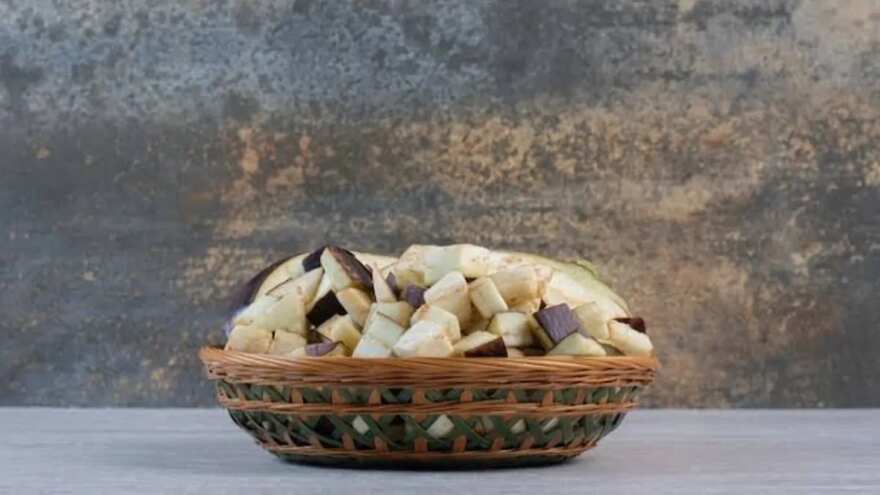
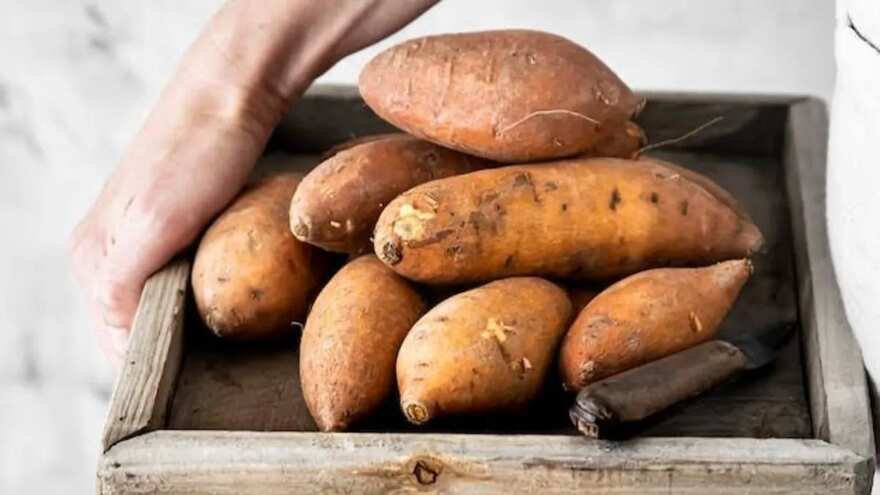
5. Sweet Potato And Coconut Milk Stew
Sweet potatoes work well during fasting. It has a soft texture and a sweet taste that pairs well with coconut. Peel and cube two sweet potatoes. Grate fresh coconut to make half a cup, or use coconut milk if fresh is not available.
In a pan, heat one spoonful of ghee. Add cumin seeds, ginger, curry leaves, and chopped chillies. Sauté for a minute. Add the sweet potato cubes with enough water to cover them. Add rock salt and let them cook until soft. Add the grated coconut or coconut milk and stir gently. Cook on a low flame until everything blends. The stew has a mild, rich flavour and it works best on its own, served hot with a spoon.
One-pot meals bring ease to everyday cooking during Shravan. These recipes use fasting ingredients that are light and easy to digest. Each dish suits Indian tastes and follows basic satvik practices. You can prepare them quickly and eat them without needing many side dishes. These ideas work well for both lunch and dinner during the entire Shravan month.




