The Badaga community is widely revered as the traditional farmers and indigenous keepers of the Nilgiri hills, affectionately known as the Blue Mountains. Having migrated to these highland regions several centuries ago, they brought with them a profound respect for agriculture and a way of life intrinsically tied to the mountain soil. Badaga cuisine is a direct reflection of this deep ancestral bond, presenting a hearty, wholesome, and profoundly seasonal culinary tradition that relies almost exclusively on the fresh produce cultivated in the fertile terraced farmsteads of the region.
Unlike the food from the coastal belts or the tropical plains of southern India, Badaga cooking has remained remarkably insulated from external culinary influences. You will not find heavy Persian nuances here, nor the extensive use of coconut, tamarind, or coastal seafood seen in neighbouring states. Instead, the flavour profiles are rooted entirely in the natural bounty of the high altitude hills. The community practices sustainable mixed farming, cultivating robust grains like millets and wheat, alongside a massive variety of vegetables. Beans and potatoes hold a sacred place in their diet, supported by the widespread raising of mountain buffaloes for daily dairy needs.
This unwavering reliance on locally grown produce and home churned dairy results in a comforting, earthy cuisine that provides immense warmth and sustained energy against the biting cool climate of the mountains. Cooking itself is treated as a deeply spiritual art. Traditionally, meals are meticulously prepared over mud fireplaces using thick earthen vessels. This ancient practice not only preserves the nutritional integrity of the ingredients but also imparts a distinct rustic charm and an unmistakable smoky depth to every single meal served in a Badaga home.
Image credit: Wikimedia Commons
Distinct Characteristics Of Badaga Cuisine
A culinary tradition shaped by extreme high altitude and rigorous agricultural demands naturally develops incredibly unique traits. The most defining characteristic of Badaga food is its heavy reliance on farm fresh, locally sourced ingredients and a profound respect for seasonal harvesting cycles.
Avarai: The Heart Of The Kitchen
Beans, locally known as avarai, are the undisputed stars of the Badaga kitchen. The community cultivates numerous varieties of these legumes, including broad beans and butter beans, seamlessly incorporating them into daily meals to ensure a steady and reliable intake of essential protein. Potatoes, respectfully referred to as gaasu, are equally important to their survival and culinary joy. They are often boiled to a soft mash, roasted over open flames, or sun dried into crispy wafers to be enjoyed year round as a crunchy, satisfying accompaniment. Hearty millets like little millet, finger millet, and foxtail millet form the absolute staple carbohydrates. These ancient grains are highly prized for their exceptional nutritional value and their remarkable ability to thrive in the rugged, unpredictable mountainous terrain.
Image credit: Wikimedia Commons
The Magic Of Badaga Masala
What truly sets this mountain food apart from any other regional diet is the signature spice blend known as hatti maasu hudi. Almost every traditional household prepares this coarse, dark brown powder completely from scratch, turning it into a communal activity among the women of the family. By meticulously dry roasting red chillies, coriander seeds, cumin, black pepper, fenugreek, and a select array of wild mountain spices, they create a robust, fiery, and deeply aromatic base. This intensely roasted masala acts as the very soul of their gravies. It gifts every dish a distinct charred aroma, a complex layer of heat, and a rich, dark colour that is instantly recognisable to anyone familiar with Nilgiri culture.
Image credit: Freepik
Dairy As A Foundational Pillar
Raising sturdy mountain buffaloes has always been a vital, non negotiable part of the Badaga lifestyle, making dairy an integral and highly respected component of their daily diet. Freshly churned white butter, thick creamy curd, and pure golden ghee make their way into almost every meal of the day. Whether it is generously drizzled over a piping hot plate of millet mash, used to expertly temper spicy vegetable gravies, or lovingly worked into festive celebratory sweets, dairy adds a necessary layer of richness. This richness perfectly balances the potent, fiery mountain spices and provides the dense calories crucially needed for long hours of demanding manual farm labour in the cold air.
Five Traditional Badaga Dishes You Must Know
Avarai Udhaka
A deeply comforting, thick gravy made from fresh field beans, Avarai Udhaka is an everyday staple that perfectly captures the pure essence of Nilgiri home cooking. The freshly harvested beans are shelled by hand and simmered gently in earthen pots until they reach a soft, melt in the mouth consistency. The warm broth is then enriched with generous spoonfuls of the homemade dark spice blend, a vibrant touch of yellow turmeric, and a simple but fragrant tempering of mustard seeds and fresh green curry leaves. Served alongside steaming hot rice or dense millet balls, this wholesome, earthy dish is a hearty morning meal that reliably fuels the farmers for a long day in the terraced fields, especially during the demanding peak winter harvest season.
Image credit: Freepik
Kappu Koi Udhaka
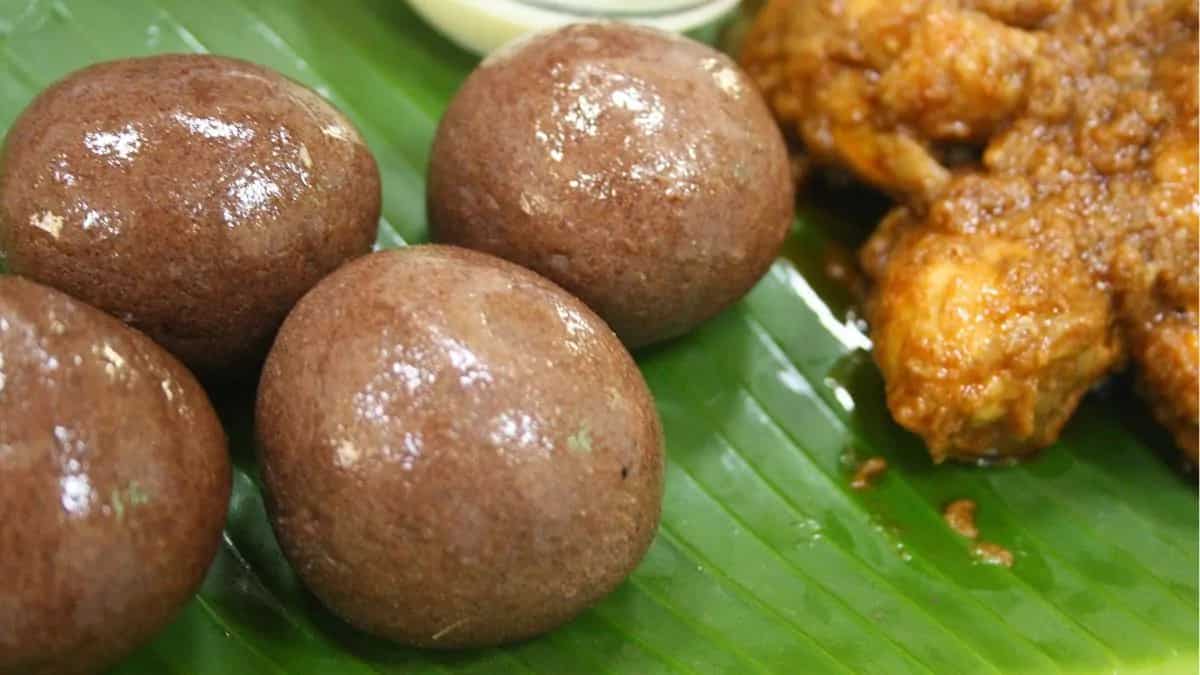
For those who appreciate rich meat preparations, Kappu Koi Udhaka is an absolute culinary revelation. This traditional black chicken curry gets its intriguing name and striking visual colour from the heavily roasted, dark Badaga masala. Free range country chicken is slow cooked for hours over a crackling woodfire, allowing the tender meat to completely absorb the pungent, earthy flavours of the roasted coriander, dark fiery chillies, and sharp black pepper. The deliberate slow cooking process tenderises the meat beautifully while naturally thickening the gravy to a luscious, heavy consistency. It is a highly revered celebratory dish, most often prepared during important harvest festivals, family weddings, and special community gatherings. The robust curry pairs exceptionally well with soft flatbreads or a mound of fresh white rice.
Image credit: Pexels
Erighittu
Erighittu stands proudly as the ultimate comfort carbohydrate of the high hills, offering unmatched sustenance and warmth. To prepare this dense staple, a small measured portion of rice is first cooked down in violently boiling water until it becomes incredibly soft and starchy. Following this, fine finger millet powder is gradually and carefully folded into the bubbling pot. The thick mixture must be stirred vigorously and continuously with a strong wooden stick until it binds perfectly to form a smooth, dense, and perfectly rounded ball. Often served steaming hot with a massive dollop of fresh golden ghee pooling invitingly in a small indentation made at the top, it acts as the perfect neutral canvas. The mild, earthy flavour of the millet is expertly designed for soaking up intensely spicy gravies like the dark chicken curry or smoky vegetable relishes.
Image credit: Pedal in Tandem
Thuppadhittu
Absolutely no exploration of a regional food culture could ever be considered complete without indulging in a traditional sweet treat. Thuppadhittu is a deeply cherished festive dessert made using highly refined flour, pure white sugar, and incredibly generous quantities of pure, aromatic homemade ghee. The rich, heavy dough is carefully kneaded by hand, rolled into flat, perfectly round discs, and cooked slowly over gentle heat until they turn a beautiful shade of golden brown. The sheer volume of fresh ghee used in this traditional preparation fills the entire village house with a warm, intoxicating, and inviting fragrance. This specific sweet is heavily associated with sacred rituals, marriages, and major annual celebrations like Dodda Habba. During these auspicious times, it is always offered to the deities as a sacred blessing before being joyously shared among large extended families and visiting friends.