


 Share
Share

IF INDIAN TEA were a family gathering, Assam would be the loud uncle with stories that fill the room. Darjeeling would be the elegant cousin everyone seems to know by reputation. Nilgiri, meanwhile, would be standing quietly by the window, saying very little—and yet leaving the strongest impression on anyone who stopped to listen.
It is one of India's finest teas, but perhaps also its least understood.
Mention Nilgiri tea and many casual drinkers struggle to describe it. They know Darjeeling is delicate. They know Assam is strong enough to anchor a morning chai. Nilgiri often exists somewhere in between, admired by tea blenders and connoisseurs, yet rarely enjoying the same fame as its northern counterparts.
That is a curious fate for a tea grown on some of the country's most spectacular landscapes.
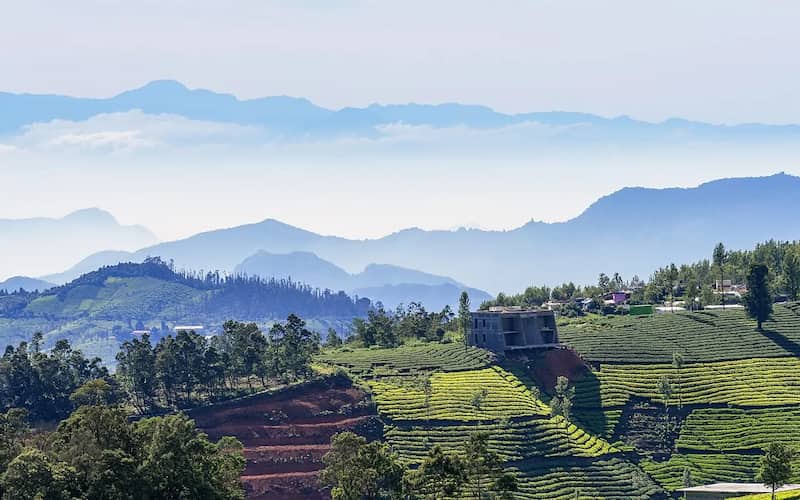
The Nilgiri Hills—or the Blue Mountains—rise across Tamil Nadu, Kerala and Karnataka, their slopes wrapped in mist, shola forests and eucalyptus groves. Tea gardens climb from around 1,000 metres to over 2,500 metres above sea level, making them some of India's highest plantations. But what truly sets the region apart isn't just altitude. It is the weather. Unlike most tea-growing regions, the Nilgiris are touched by both the southwest and northeast monsoons, allowing tea to be harvested through much of the year rather than in sharply defined seasons.
The result is a tea that seems to borrow something from every season without belonging entirely to any one of them.
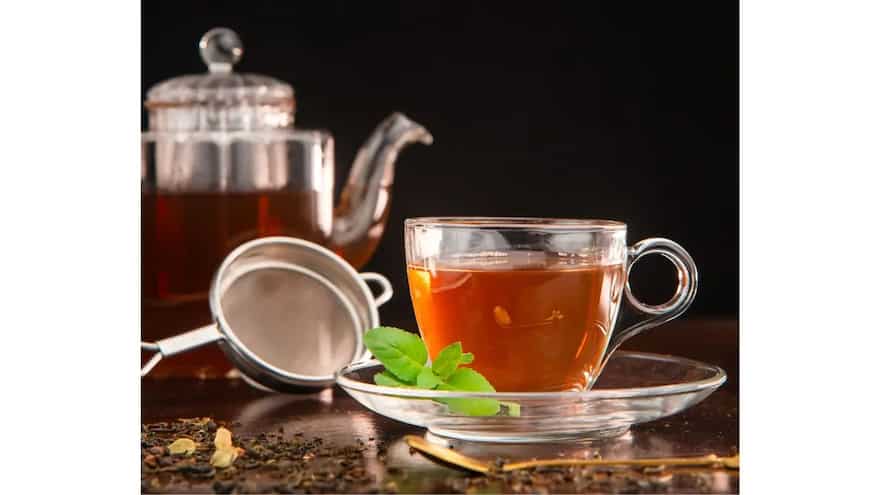
If Assam announces itself with rich malt and Darjeeling with its celebrated muscatel character, Nilgiri speaks in fragrance first. Lift a freshly brewed cup, and floral notes arrive before the first sip. Then come hints of citrus, soft herbs and sometimes even a faint minty freshness that many attribute to the eucalyptus and spice trees growing around the estates. The liquor is bright, brisk and golden rather than dark and brooding.
Describing tea is always a slightly dangerous business. Tasting notes can easily become poetry detached from reality. But Nilgiri is one tea where the language often matches the experience. It doesn't overwhelm the palate. It unfolds.
Perhaps that is why professional tea buyers have long loved it.
For decades, Nilgiri's greatest strength was also the reason few consumers knew its name. It was the perfect blending of tea.
Tea blenders prized it because it added fragrance without overpowering other leaves. Its clean brightness brought balance to breakfast blends, while its lively aroma softened stronger teas. In many ways, Nilgiri became the quiet supporting actor of the tea world — essential to the final performance, but rarely receiving top billing. The Tea Board of India even describes it as "a blender's dream."
It has another unusual quality that has made it indispensable globally.
Most black teas turn cloudy as they cool, a perfectly natural reaction caused by their chemical composition. Nilgiri tea largely resists this, retaining its clarity even when served cold. That seemingly small characteristic has made it the preferred choice for many premium iced teas around the world. Chances are you've enjoyed Nilgiri without ever knowing you were drinking it.
Yet to think of Nilgiri only as a blending tea would be to miss its quiet renaissance.
Across the hills, a growing number of estates are focusing on orthodox whole-leaf teas rather than only the CTC (crush, tear, curl) teas that dominate everyday consumption. These carefully crafted lots highlight terroir in much the same way wine does. One estate may produce a cup that leans towards orange blossom and honey, another towards stone fruit and spice. Tiny differences in altitude, mist, soil and sunshine begin to reveal themselves in the cup.
Among tea enthusiasts, one harvest inspires particular excitement: frost tea.
During the cold months of December and January, growth slows. When plucking resumes after this brief dormancy, the leaves are packed with aromatic compounds that developed during the chill. Produced only in limited quantities, Nilgiri frost teas are celebrated for their extraordinary perfume and complexity, often becoming some of the region's most sought-after offerings.
Like the finest seasonal produce, they remind us that tea is an agricultural product before it is a beverage.
This growing appreciation has also encouraged people to look more closely at where Nilgiri tea comes from. Orthodox Nilgiri tea enjoys Geographical Indication (GI) status, recognising that its distinctive character cannot be separated from the climate, elevation and craftsmanship of the Blue Mountains. The region's cool, misty weather, unique rainfall patterns and meticulous plucking practices all contribute to a flavour profile that cannot simply be replicated elsewhere.
And perhaps that is Nilgiri's greatest lesson.
In an age obsessed with louder flavours, stronger brews and instant impressions, this is a tea that rewards attention rather than demanding it. It doesn't hit you with the muscular malt of Assam or the prized rarity of Darjeeling. Instead, it asks for a slower conversation.
Brew it with water just off the boil. Give it three or four minutes. Don't drown it in milk or sugar the first time. Let the aroma rise before the sip. Notice how the liquor catches the light. Pay attention to what lingers after you've swallowed.
The experience is surprisingly modern.
We increasingly speak about single-origin coffee, craft chocolate and natural wine, celebrating the way geography shapes flavour. Tea deserves the same curiosity. And if there is one Indian tea that encapsulates the idea of terroir without the fanfare, it is Nilgiri.
Perhaps the Blue Mountains have always known something the rest of us are only beginning to appreciate.
Not every great tea needs to become a legend. Sometimes, it is enough to become unforgettable.




