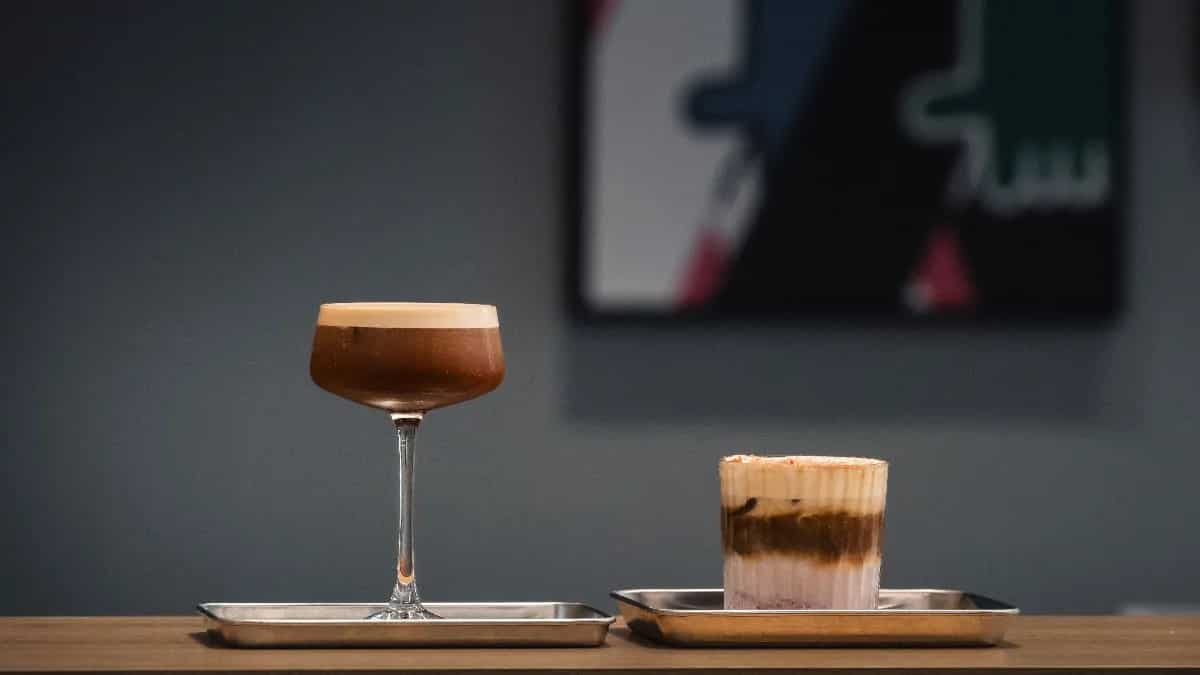
Few aromas are associated with heralding the birth of a new day as much as freshly brewed coffee. For millions, the morning begins with the familiar ritual of grinding, brewing, and sipping on the aromatic beverage while gearing up for a long day at work. But imagine the versatility of the bean and its inspired drink. For after a meal ends in France, the same beverage usually returns in the form of a small espresso as a finishing drink or digestif. Coffee is not merely a beverage anymore. It has become a daily ritual, a social habit, a cultural symbol, and a major global commodity.
Now, such functionality should be appreciated and not taken for granted. So, the International Coffee Organization (ICO) observes 1 October as International Coffee Day, a date created to unite the global coffee sector while recognising the farmers and communities whose livelihoods depend on the crop. The ICO estimates show that coffee supports around 125 million livelihoods globally. But coffee's life does not start and end with breakfast or a post-dinner demitasse. It has also found a rather glamorous second career as a culinary and mixological ingredient.
Beyond tiramisu, coffee ice cream, and desserts, the roasted bean also possesses the capacity to imbue bitterness, aroma, depth, and a remarkable savoury edge to cocktails. For instance, in some drinks it can be the entire backbone, while in others, it can prevent the entire cocktail from becoming too sweet or cloying, while giving the beverage a darker, more nuanced flair. Here are some classic and modern cocktails where coffee is not an afterthought, but the reason the entire drink works.
Famous Coffee-Based Cocktails For Bean Connoisseurs To Marvel Over
Espresso Martini: Coffee Is Dressed For A Night Out
The Espresso Martini is arguably the ultimate cocktail for making coffee feel comfortable after dark. Its modern history is linked to London bartender Dick Bradsell, who created the drink that was known as the Vodka Espresso in the 1980s. Its recent and rising popularity is due to the drink’s minimalist and quiet luxury nature, focusing on a handful of quality ingredients to recreate the ultimate fragrant sip that both wakes you up and helps you unwind at the same time.
Image credit: Pexels
To create this iconic drink for one, you need to shake 50ml vodka, 30ml coffee liqueur, 10ml sugar syrup, and one strong espresso vigorously with ice. Then strain into a chilled cocktail glass and garnish with three coffee beans. Coffee does two jobs here. Its roasted bitterness keeps the vodka and liqueur from becoming too syrupy, while vigorous, sincere shaking ensures your ingredients mix well enough with the espresso to create the drink's characteristic fine, velvety foam. Remove the coffee, and you have a completely different drink; for the roasted bean is the soul of this drink.
Also read: International Coffee Day 2026: From Un Caffè To Espresso, Italy’s Coffee Rituals Explained
Irish Coffee: The Cocktail That Became A Ritual
Irish Coffee is less nightclub glamour and more fireside comfort, but its construction should still be every bit as deliberate. The drink combines hot coffee with Irish whiskey, sugar and chilled cream, with the cream carefully floated on top, not stirred through. Its history is closely associated with Foynes in County Limerick, where the drink was created to give some comfort to chilly and exhausted travellers. Ireland's official tourism site still presents the Foynes recipe as the original version.
Image credit: Pexels
To make this comforting cocktail for one, warm an Irish coffee glass first. Then add one teaspoon of sugar and 50ml Irish whiskey, and pour in your 120ml hot, strong black coffee and stir thoroughly. Finally, float your lightly whipped, chilled cream using the back of a spoon and serve. Here, coffee becomes the bridge between whiskey's warmth and the cool cream’s richness. It also balances the sugar, softens the whiskey's astringent edges, and makes the whole thing taste like an actually harmonious drink rather than just fancy, hot whiskey.
Black Russian: A Very Coffee Cocktail
The Black Russian cocktail enjoys deconstructing the notion of indulgent drinks a lot, for it requires only two ingredients: vodka and coffee liqueur. The International Bartenders Association (IBA) also records the same. The drink is associated with Belgian bartender Gustave Tops and dates back to 1949.
Image credit: Pexels
To make this minimalist cocktail for one, just pour 50ml vodka and 20ml coffee liqueur over ice in an Old Fashioned glass. Stir gently and take a sip. Here, coffee liqueur supplies the necessary sweetness, roasted bitterness, and aroma in one ingredient. Since there is nowhere for it to hide behind cream, sugar syrup, or espresso, the coffee liqueur must be a good, top-shelf one.
White Russian: Coffee, Cream And A Little Excess
This is a fun way to go from one drink to another. Simply take the Black Russian cocktail and introduce it to cream. Immediately, the drink’s roasted notes get balanced by the milkiness of fresh cream, and the result is the White Russian cocktail. Its precise origin is less certain, but its relationship with the earlier cocktail is well established, with historical references to the White Russian appearing in American newspaper advertising by 1965.
Image credit: Pexels
So, all you need to do to make this simple yet luscious cocktail for one is pour 50ml vodka and 20ml coffee liqueur over ice, then float or add fresh cream and stir gently. The complexity of the coffee element prevents the cream from making the drink one-dimensional. Its naturally roasted and bitter notes cut through the dairy richness, while the liqueur incorporates a mellow sweetness of its own. It is essentially dessert logic translated into a pithy yet effective cocktail.
Revolver: Bourbon Finds Its Dark Side
The Revolver is a younger cocktail classic, created by San Francisco bartender Jon Santer in 2004. The cocktail employs bourbon along with coffee liqueur and orange bitters, creating a drink that sits somewhere between a Manhattan and a Black Russian.
To make this unique cocktail for one, just stir 60ml bourbon, 30ml coffee liqueur, and two dashes of orange bitters with ice, then strain the lot into a chilled cocktail glass or over fresh ice. A briefly-flamed orange peel makes a fitting, dramatic finish. This cocktail needs coffee, because bourbon can be rich and complex on its own. Here, coffee liqueur brings roasted bitterness and depth to the drink, while orange bitters lift the darker flavours, creating a refreshing contrast.
And that is perhaps coffee's greatest talent behind a cocktail bar. It does not always need to dominate. Sometimes it just needs to make everything around it taste more interesting. So on International Coffee Day this year, that is worth remembering.