Share
Share

If there is one country where a coffee order can have its own vocabulary and unsaid etiquette, it is Italy. You walk into a bar, order un caffè and get along with your day. There is no large cup to carry around and no complicated customisation needed. International Coffee Day, celebrated on October 1, offers a perfect reason to look at the Italian coffee culture beyond the familiar image of espresso.
What makes the Italian coffee ritual impressive is not just the espresso itself, but how it is ordered, enjoyed, and what is paired with it. A cappuccino belongs naturally to the breakfast timing, al banco turns the coffee counter into a quick stop, and post-meal espresso marks the end of lunch or dinner. From the way coffee is ordered to the practices that developed around it, Italy’s coffee culture is a story about how a simple beverage found its place in everyday life.
When In Italy, Ask For 'Un Caffè'
Walk into any Italian coffee bar and ask for un caffè, and you will typically get an espresso. There is no need to mention the word 'espresso' unless you want to specify something different. It is a drink prepared on the spot and is traditionally served in a small cup, often finished in just a few sips.
This is partially why the Italian espresso does not feel like a beverage you can settle down with, but more like a small pause in the day. Morning rush? espresso. Midday pause? espresso. After dinner? Another shot of espresso. The important part is that the cup stays small while the ritual keeps coming back.

(Credits: Freepik)
What Does Al Banco Mean?
Al banco means 'at the counter', and it is a usual part of the everyday coffee routine in Italy. You walk into any traditional Italian bar, and you will find customers often order their espresso at the counter, drink it while standing, and walk away rather than sit and enjoy it. This fits the quick rhythm of an Italian breakfast. The counter also keeps the interaction straightforward: you order, the barista makes the coffee in front of you, and you drink it while it is freshly made or even grab and go.
There is also a practical reason for this habit. If you have coffee while standing at the counter, it can cost less than the same drink that will be served at a table. Sitting down means taking table service and spending more time at the café.
Cappuccino Is A Breakfast Character
In Italy, cappuccino is closely linked to the morning meal and is usually enjoyed along with something sweet like a cornetto, the Italian breakfast pastry. The creamy milk softens the intense espresso, whereas the pastry adds to the sweetness. Breakfast habits vary across Italy, but coffee paired with something sweet remains a typical morning routine.
This is also why a cappuccino after lunch is not a common option in Italy. It is not a rigid rule but rather a practice shaped by how Italians traditionally pair milk-based beverages with breakfast. After lunch or dinner, a small espresso is more common, while a cappuccino is considered a richer, milk-based drink for breakfast. It is not prohibited, but it is less familiar, though. Regional habits add their own touch as well: in Genoa, for instance, focaccia is relished as breakfast along with cappuccino, showing how local food traditions shape the coffee culture.
But Italian Coffee Culture Is Not One Single Script
The biggest mistake would be to assume that every Italian city drinks coffee in the same way. Local traditions give the basic espresso culture tons of personality.
Naples has its own strong espresso essence, including the caffè sospeso approach, where someone pays for an extra coffee that can later be claimed by another customer.
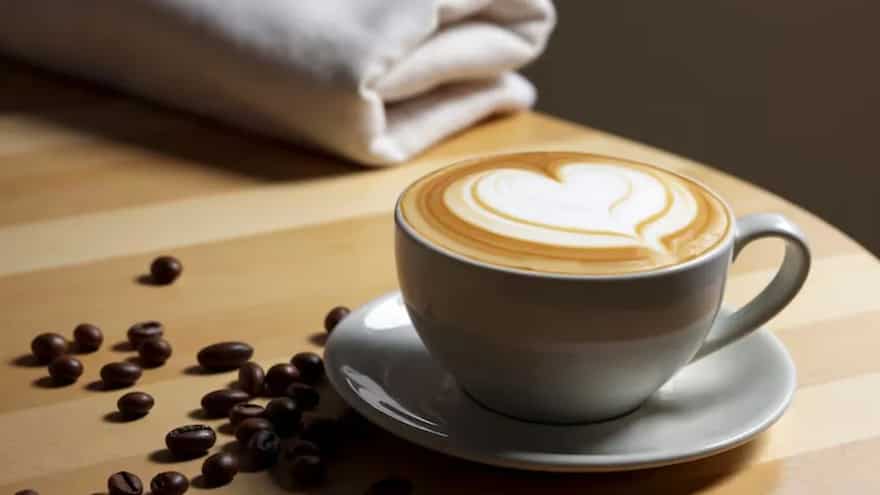
(Credits: Freepik)
Turin has the historic bicerin, a layered drink that has a mix of coffee, chocolate and milk, associated with Caffè Al Bicerin, which opened in the year 1763. The drink was officially recognised as a traditional speciality of Piedmont in 2001.
And at home, the coffee story changes as well. The espresso machine dominates the public coffee bars, but the moka pot remains a popular home-brewing choice for many Italians.
Italian coffee culture is less about learning the list of dos and don'ts and more about understanding the moment linked to the cup. That is what makes the Italian coffee ritual so unusual. The coffee itself may be small, but the culture surrounding that little cup has enough detail to fill the entire day.