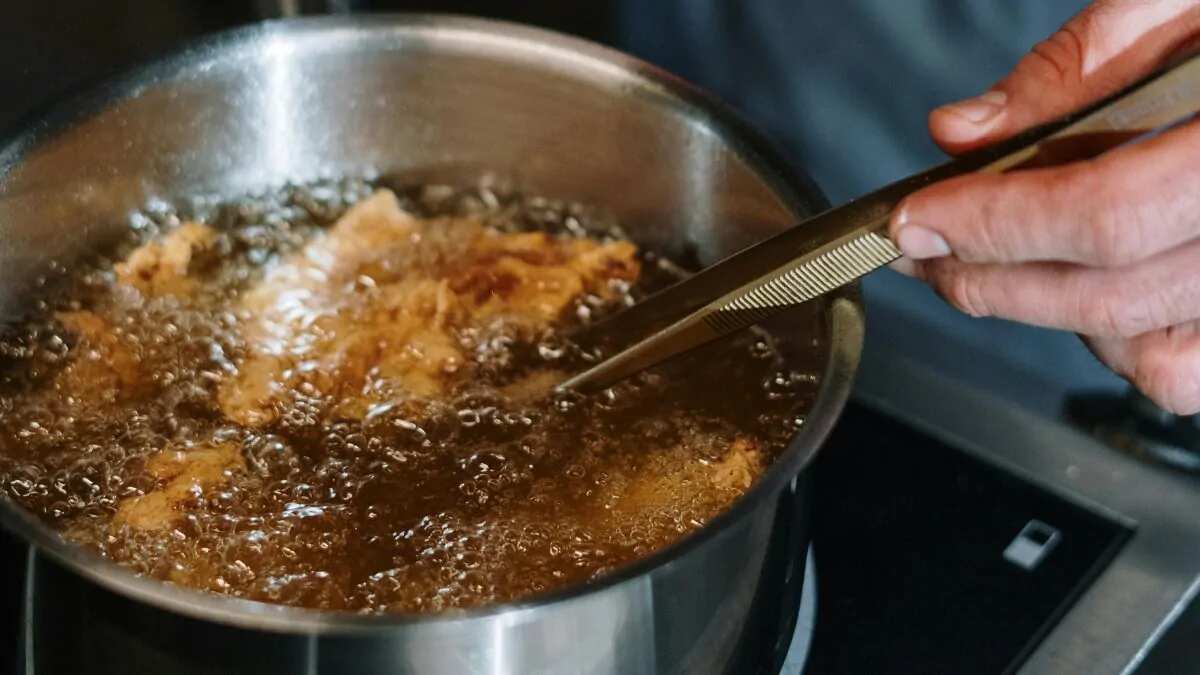
Deep frying on the infrared cooktop will dramatically cut down on gas usage: which has become the need of the moment. In fact, an infrared heating appliance comes with even heating functions that facilitate deep frying when used in the right way. Infrared cooktops work with radiant heat, making them highly compatible with versatile cookware materials. Undoubtedly, this means the infrared can be used as a handy appliance for deep frying munchies, snacks and even puris and other flatbreads which employ traditional frying techniques. Use the USHA Infrared Induction Cooktop to make deep frying a smoother and accessible process amidst the ongoing fuel challenges.
Choose The Right Cookware
One of the major plus points in the infrared vs induction cooktop conundrum that favours the former is that the surface of the infrared heats like any other traditional stove. This means heat transfer from the infrared to different kinds of cookware is gradual but consistent. It is precisely this steady temperature increase and control that makes the infrared a useful appliance for deep frying. This feature is complimented by the right cookware such as a stainless steel kadai or deep frying pans that rest comfortably on the infrared cooktop. Choose such appropriate cookware for deep frying to help maintain consistent oil temperature and even heating.
Add And Heat Oil Slowly
As with any traditional stove, infrared cooktops also require you to place the kadai or fry pan on their surface for a few minutes so the oil inside preheats adequately. But what makes deep frying on the infrared cooktop a more precise affair is starting the heating process on medium so the oil warms up slowly. Once it is adequately hot, the heat can be reduced to low as the puris or fries or tikkis being deep fried are slowly released into the warm pan. Monitoring the oil temperature consistently prevents smoking and overheating
Fry In Small Batches
The trick to perfecting deep fried food on an infrared cooktop is to fry the goodies in small batches. Whether you use a cast-iron kadai or a deep-bottomed fry pan, this tip remains constant in order that the food cooks and browns evenly. Pakoras or croquettes require space to become crisp on the outside and warm and gooey on the inside. This is possible when they are fried in small batches, without touching each other. Avoid overcrowding the kadai that rests on the infrared cooktop and keep oil temperatures stable, for maximum crispiness.
Adjust Heat If Needed
The most essential aspect of deep frying anything from pakoras to vadas to fritters is that they become crisp and light. One way to ensure this even crunch across multiple batches of deep fried goodies is to adjust heat. While oil is best kept on low once it is warmed, sometimes you might feel the need to crank up the temperature a little if it has cooled down or if it is taking too long to fry foods at that constant temperature. The same goes for overbrowning as well, when heat just needs to be lowered a little in order to reduce the risk of burning. Infrareds retain heat so adjust it gradually during the cooking process.
Remove And Drain
Use a paper napkin and a slotted spoon to drain the deep fried foods of excess oil. This is especially essential for those batches in which the temperature of the infrared has been adjusted. The tendency to absorb excess oil is greater when the mercury fluctuates. Get rid of this oil and retain the perfect crisp on your most favourite munchies by removing them using the slotted spoon and resting them on paper towels for a couple of minutes before serving.