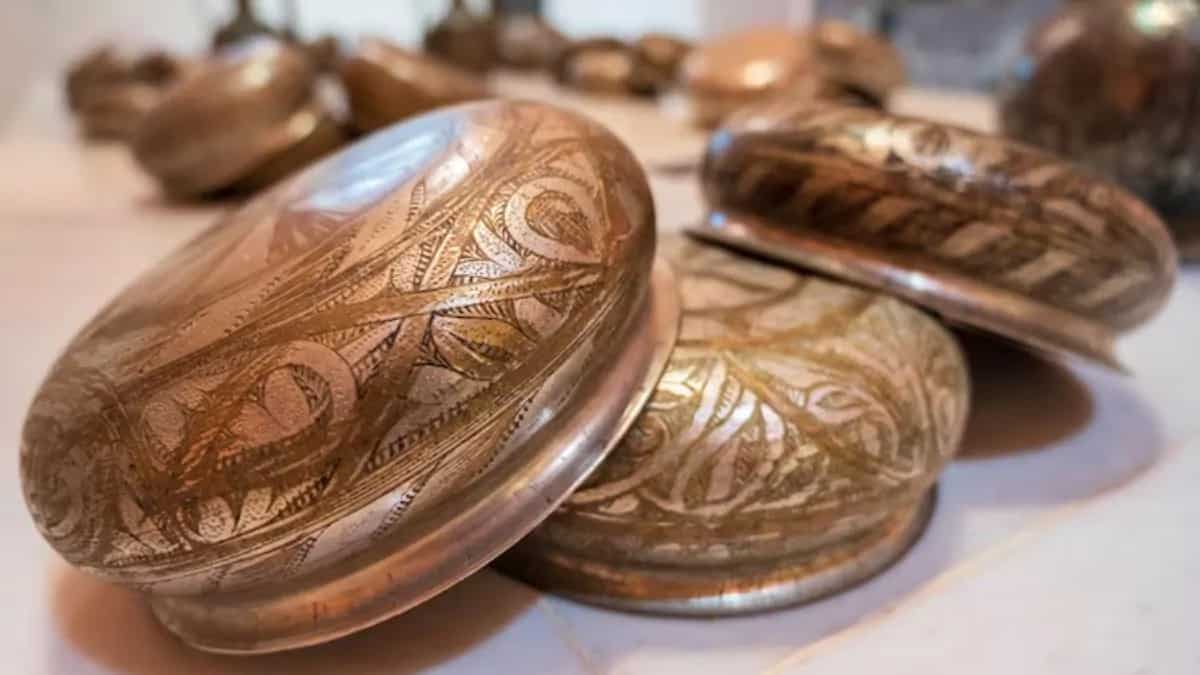
Walk into any modern Indian kitchen at present, and you will witness a noticeable shift; steel and ceramic are no longer the only star cookwares to show off. Kansa, an alloy of copper and tin, is making a comeback, not as a trend that has been borrowed from the past, but as a return to slower, more conscious eating. Traditionally used across Indian households, kansa was never just about aesthetics. In Ayurveda, it is assumed to help balance the body’s doshas, especially calming the pitta dosha, while also helping in digestion.
What makes kansa or bronze even more relevant today is how it fits into conversations around wellness. People are at prersent pay closer attention to not just what they eat, but how they eat, right from ingredients to the cookware. Unlike the coated or synthetic materials, kansa do not interfere with food in unnatural ways. Rather, it interacts gently, adding a particular depth to the eating experience that cannot be defined, but can be felt.
That said, buying kansa is not as simple as picking up a plate off the shelf itself. With increasing demand, the market is flooded with cookware that appears authentic but may not deliver the same quality or health benefits.
Why Kansa Cookware Is Seeing A Comeback
The ever-growing interest in kansa is linked to a wider shift towards mindful living. As people try to take a shift away from heavily processed lifestyles, there’s a growing interest in traditional techniques that have stood the test of time. Kansa fits unaffectedly into this room. It is not dazzling, but it has a sense of purpose and a connection to how food was once experienced, in older days.
Social media and even some wellness communities have also played a crucial role, turning everyday practices like plating food into something more reflective. But beyond just the aesthetics, there is a growing awareness around the cooking materials and what touches your food when you serve it. Kansa offers that balance of tradition as well as function, making it even more appropriate for modern kitchens at present without feeling outdated.
How To Choose Good Quality Kansa Tableware
Knowing what to look for while buying bronze or kansa cookware and what to avoid makes all the difference between owning something truly valuable and not just as decorative metalware.
Check The Metal Composition Carefully
Authentic Kansa is generally prepared with around 78% copper and 22% tin. Many cheaper versions dilute this ratio or mix it with other metals to cut the costs. A real Kansa cookware will feel dense, a bit heavier than the steel, and will not be too shiny, with an artificial finish. If the product does not clearly mention the composition, it is usually a red flag. Always ask or verify, particularly when purchasing online or from new vendors.
(Image credit: Freepik)
Observe The Finish, Not Just The Shine
Good kansa does not look mirror-polished like the stainless steel does. It has a hushed, earthy glow that feels understated. An overly glossy touch can often mean chemical polishing or layering, which defeats the purpose of using the traditional metalware. Look for a bit of variation in tone; these are signs of handmade work, and not imperfections. The beauty of Kansa fibs in its raw, a bit imperfect appearance.
Weight And Thickness Matter More Than Design
While complex designs can be attractive, the real value is in their thickness. Thin kansa pieces may appear elegant, but do not hold durability or heat balance nicely. A well-made plate or bowl of kansa should feel sturdy in your hand without being bulky. Heavier pieces also tend to age nicely, creating a natural patina over time that adds to the character rather than wear.
(Image credit: Freepik)
Know What To Avoid While Buying
Avoid kansa that feels too light while holding, looks too shiny, or is significantly inexpensive. These are often mixed-metal products or covered versions that will not offer the same advantages. Also, steer clear of pieces with inner linings or chemical layers; they meddle with the natural properties of kansa. If it appears to be too “perfect” or mass-produced, it probably is not real.
Choose Purpose Over Aesthetic
Begin small and useful, like plates, thalis, or bowls that you will actually use every day. Kansa is best experienced when used in daily meals, not like an occasional exhibition. Instead of buying a full set of cookware, invest in a few well-made essentials. Over time, you will know how it fits into your practice and whether you want to expand your collection. Do not just buy because it appears to be aesthetic. The idea is to use it, not just keep it for display.
Health Benefits Of Eating in Kansas
Kansa is not just about traditional dishes; it is often linked to light, everyday wellness advantages. Embedded in Ayurvedic practices, it is considered to support digestion, balance the internal systems, and improve the overall eating experience.
Supports Better Digestion
Kansa is believed to produce digestive enzymes gently, which help in breaking down the food more efficiently. Meals feel much lighter on the stomach, particularly when eaten on a daily basis in such traditional metalware.
Helps Balance Pitta Dosha
According to Ayurveda, Kansa has a cooling effect that can help control extra heat in the body. This makes it especially useful in hot climates or for those who are prone to acidity.
Maintains Natural Alkalinity
Food that is served in Kansas may help in balancing the pH levels of the body over time. This slight shift towards alkalinity is often connected with improved overall metabolic balance.
Enhances Nutrient Absorption
The interaction between food and kansa is supposed to help in the better absorption of the nutrients. While subtle, this can contribute to improved energy and overall well-being over a period of time.
Promotes Mindful Eating Habits
Beyond just the physical benefits, Kansa promotes slower, more purposeful eating. The weight, texture, and experience naturally make you chew better and make you feel more connected to meals.