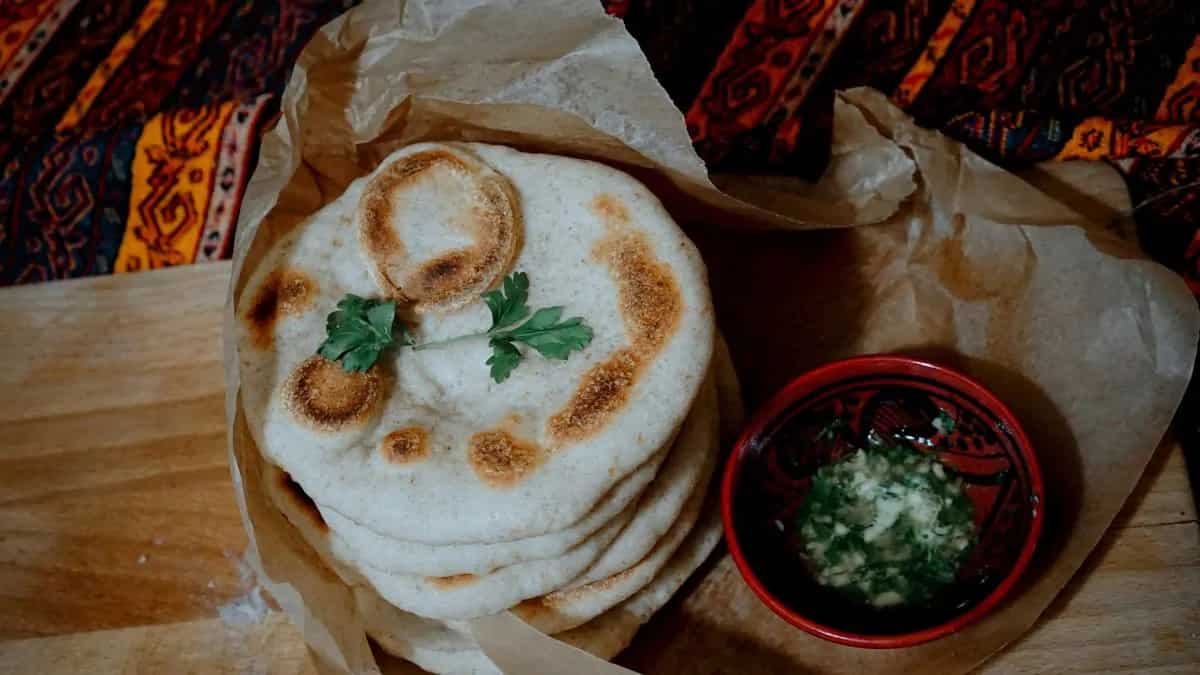
There is something deeply primal and satisfying about breaking bread with others. In Indian culture, the act of sharing a basket of hot, buttery rotis or naans is a symbol of hospitality and warmth. Whether it is a casual family Sunday or a festive dinner party, the flatbread is often the glue that holds the various curries and dals together. However, achieving that perfect restaurant style char at home can be a challenge without a traditional clay tandoor. This is where the right kitchen technology changes the game. An Usha infrared cooktop is an exceptional tool for flatbread enthusiasts because it provides the intense, direct radiant heat required to blister dough instantly. Unlike other methods that rely on contact, infrared heat behaves more like the glowing embers of a traditional oven. This allows you to achieve those beautiful dark spots and a smoky flavour that is usually impossible in a standard domestic kitchen. Because infrared cooktops work with any heat resistant cookware, you can use your heaviest iron tawa or even a ceramic stone to get the best possible results for a hungry crowd.
Image credit: Pexels
Why Infrared Heat Is Ideal For Dough
Flatbreads require a very specific type of heat to be successful. If the temperature is too low, the dough dries out and becomes tough before it manages to brown. If the heat is only at the bottom, the top remains pale and doughy. Infrared technology solves this by emitting high energy waves that penetrate the cooking vessel and the food itself. This mimics the high speed cooking of a tandoor, sealing the moisture inside the bread while crisping the outside. For a host, the stability of an infrared cooktop is a massive advantage. When you are making bread for ten or fifteen people, you need a surface that stays hot batch after batch. Infrared cooktops do not suffer from the same heat fluctuations as gas flames, which can be affected by kitchen drafts. You can set the temperature to a high level and trust that every single naan will emerge with the same professional finish.
Image credit: Pexels
Butter Garlic Naan With A Tandoori Char
A classic naan is the king of shareable breads. To make this at home, create a soft dough using refined flour, a little yoghurt, and a pinch of baking soda. The yoghurt is essential as it provides the tang and the soft texture that guests love. Once the dough has rested, roll it into teardrop shapes. Before placing the dough on your infrared heated tawa, brush one side with water. This helps it stick to the surface, allowing you to flip the entire pan over the infrared light for a few seconds to get that authentic charred top. Once it bubbles and browns, remove it and immediately slather it with a mixture of melted butter, minced garlic, and fresh coriander. Cut the large naans into triangular wedges and pile them in a central basket. The intense heat from the infrared cooktop ensures the naan stays soft on the inside while the garlic becomes aromatic and toasted.
Spiced Aloo And Anardana Kulcha
Kulchas are slightly thicker than naans and are perfect for stuffing with budget friendly ingredients. A mixture of mashed potatoes, finely chopped onions, green chillies, and dried pomegranate seeds (anardana) makes for a sophisticated filling. The anardana adds a tiny crunch and a sour pop that surprises the palate. The challenge with stuffed breads is ensuring the filling heats through without the exterior burning. The precise control of an infrared cooktop allows you to start on a high heat to set the crust and then drop to a medium setting to allow the heat to penetrate the potato core. These are best served sliced into quarters, revealing the colourful filling inside. Because they are so hearty, a few kulchas can easily satisfy a large group, making them an excellent choice for a budget conscious host.
Image credit: Pexels
Nutty Missi Roti Wedges
For a more traditional and rustic option, missi roti is a fantastic choice. Made with a blend of gram flour (besan) and whole wheat flour, it has a naturally nutty flavour and a beautiful golden hue. Season the dough with carom seeds (ajwain), dried fenugreek leaves (kasuri methi), and a generous amount of chopped onions. Missi roti requires a slightly longer cooking time than naan to ensure the gram flour is fully cooked and fragrant. The steady, even heat of the infrared surface is perfect for this. As the onions in the dough caramelise against the hot pan, they release a sweetness that balances the earthy flour. These rotis are quite sturdy, so they can be cut into small squares and served as a base for a dollop of spicy mango pickle or a wedge of jaggery. It is a humble, healthy, and incredibly flavourful addition to any spread.
Image credit: Pexels
Herbed Olive Oil Flatbreads
If you want to offer something a bit more modern or fusion, try a simple olive oil flatbread. Use a basic whole wheat dough but replace the traditional ghee with extra virgin olive oil and knead in some dried oregano or chilli flakes. Roll these out very thin, almost like a roomali roti. Cook these on the highest setting of your infrared cooktop. They will puff up like balloons in seconds. Instead of folding them, keep them flat and stack them high. The clean, modern flavour of the olive oil makes these a great accompaniment to lighter dals or even roasted vegetable platters. They are quick to produce in large batches and stay pliable even after they have cooled down slightly, which is ideal for a party environment where people graze over several hours.