


 Share
Share

The story of India’s independence is often told through the grand narratives of historical milestones and political movements. But if you take a closer look, you’ll find a rather quiet and more intimate revolution that happened in the heart of every household, the kitchen.
With the 79th Independence Day just around the corner, it’s the perfect time to sit back and take a look at how the modes of cooking have evolved in the past seven to eight decades. To get a deep dive into the ages before and after India’s independence, Slurrp talked to women born before the Partition. In their words, here’s how the kitchens have evolved from mitti ke chulhe to gas stoves, air fryers, induction cooktops, and much more.
Chulha: The Heart of the Pre-Independence Kitchen
For women born before 1947, the chulha was more than a cooking stove; they’ve grown up with the familiar fragrance around the home, slowly cooked food, and a subtle yet distinct smoky flavour in all the dishes. The U-shaped furnace, usually made with clay mud, was fueled by wood, cow dung cakes, or coal. And every process of cooking on the chulha, be it starting the fire or roasting the vegetables, was a skill that was passed down through generations.
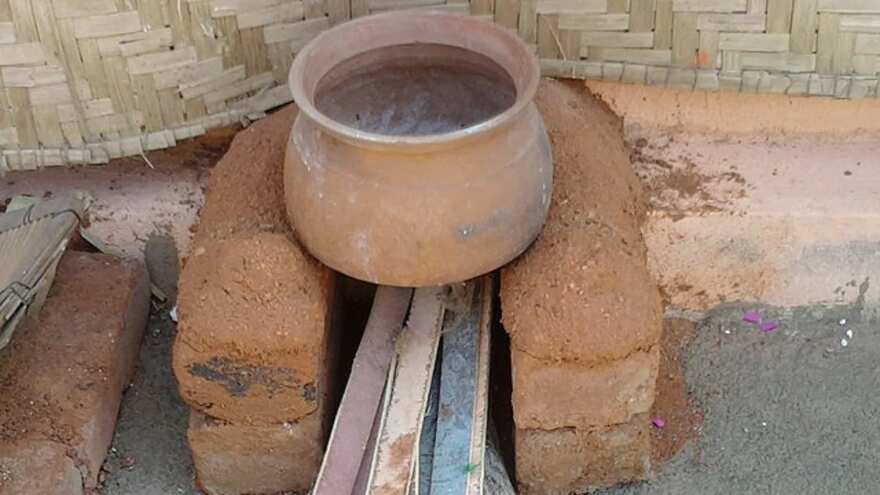
“My mother used to make kheer on the chulha,” says 82-year-old Rani Johar, reflecting on her childhood in Moradabad. “That taste cannot be matched, no matter how many hours you let it simmer on a gas stove. Be it Teej, Navratre, or a typical rainy day, slowly-simmered kheer made on the mitti ka chulha was one of the most loved desserts in our home.”
Some of the most memorable meals cooked on a chulha included a rich serving of dal fry, perfectly charred baingan ka bharta, and fluffy rotis. However, the major downside to chulhas was prolonged exposure to smoke, which was a potential cause for respiratory issues.
Angeethi: The Portable Comfort
As India began to urbanise after a couple of years of Independence, angeethi, the portable, open brazier, became a common sight in Indian households. Fueled by coal, it provided a steady and long-lasting heat, which was perfect for slow-cooking.
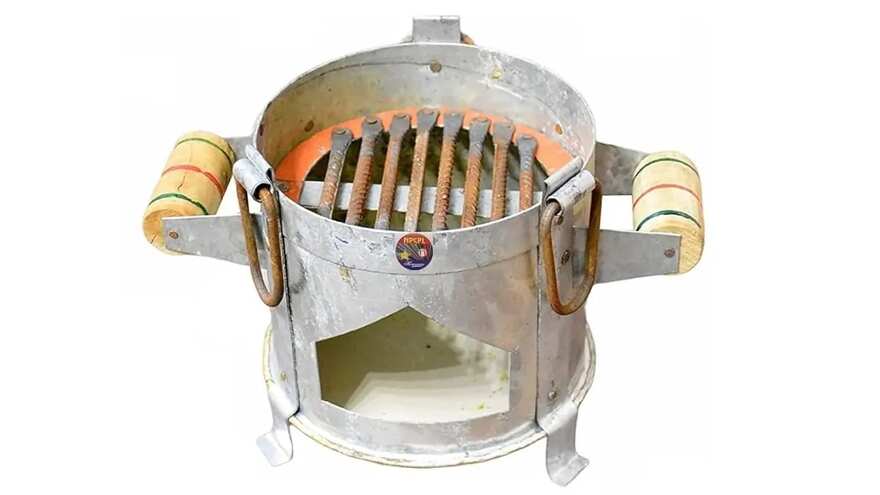
“The dal, saag, or curries for dinner were set on the angeethi,” recalls Usha Chugh, 79, who was born and brought up in Amritsar. “Since the coal used in an angeethi was lit once and then its slow heat was used to cook, the kitchen tasks early in the morning were all done on the angeethi. Be it the chapatis for lunch, sabzis for dinner, or a dessert, for a very long time, chulhas were the go-to option.”
“When the number of our family members increased, the quantity of food prepared and the cooking time spiked. So, the kitchen used to get filled with smoke. That was the time we shifted from a chulha to an angeethi. It was portable, didn’t cause much smoke, and also served as a heater to keep the room warm in winter,” Rani added. “One of my favourite memories when I think about cooking on an angeethi is making gajrela (gajar ka halwa) on an angeethi. We just used to keep the carrots on the angeethi, stir them every once in a while, and by the end of the day, a perfectly caramelised halwa would be ready.”
The Stove Era: Kerosene, Pump, And Pressure
The stove was one of the game-changers. One of the first models featured a pump and pressure system. Later on, came with a simple wick adjustment which could be turned on and off as required. With a clean flame, fueled by kerosene, the easy-to-use, compact stoves quickly became a staple in the late 1960s.
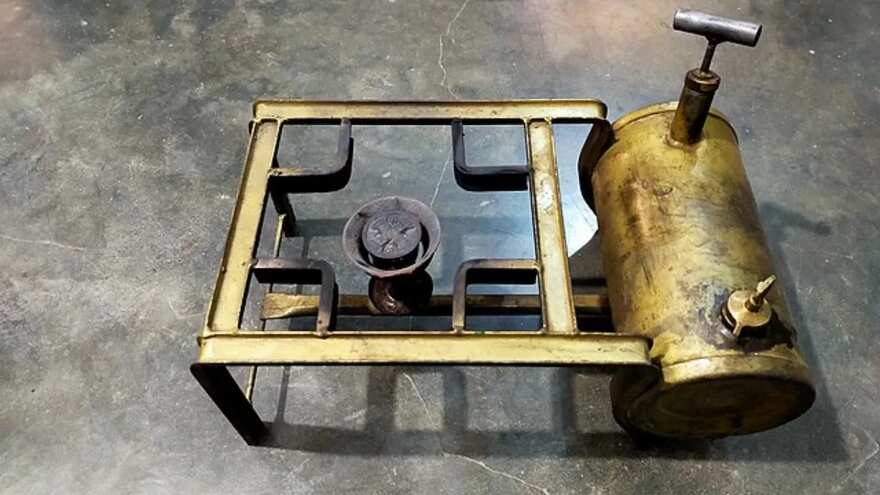
“Stoves made cooking so easy. There was no more soot deposit on the pots, my eyes didn’t get watery every time I turned it on, and it gave me the time to do other things around the house,” Usha looks back.
Comparing stoves with chulhas, Rani adds, “The cooking time was marginally reduced on stoves. The recipes also changed since deep-frying got easier. The heavy pots were made with brass (peetal) or bronze (kansa), which were difficult to clean and made the hands all black. They were replaced by stainless steel, cast iron, copper, etc.
Gas Stove: The Clean Flame Revolution
The true revolution in the mode of cooking happened with the arrival of LPG cylinders. With its clean, blue flame, cooking not only became quicker but also gave the liberty to control the heat instantly. In the 20th century, when gas stoves became a staple in most Indian households, they gave kitchens a sleek look with just a small corner dedicated to the stove.
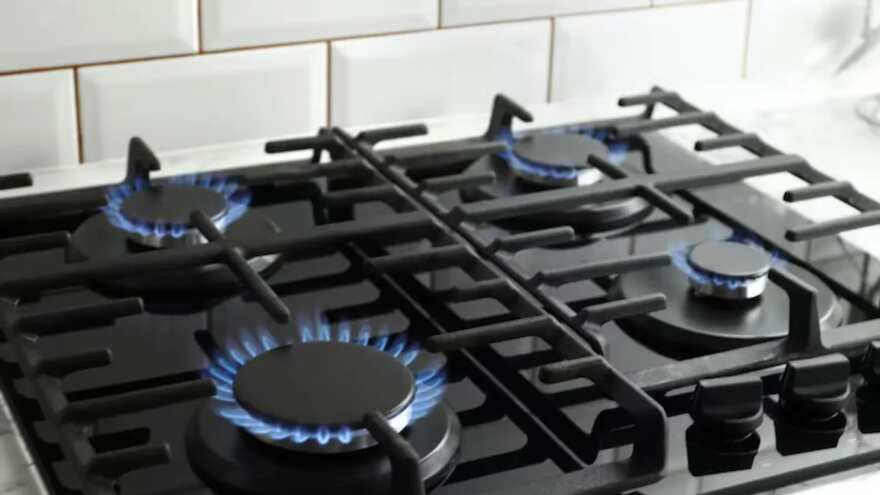
“Gas stoves did a lot for working women. Since I had to go to work in the morning and also cook side-by-side, the gas stove was a blessing. It saved time, there was no smoke, I could juggle between preparing meals, packing tiffins, getting ready, and still have some time to myself,” Rani elaborates on the benefits of gas stoves.
However, Chugh points out, “Undoubtedly gas stoves helped save time, but back in the day, the entire family used to sit together to eat as the chulhas and angeethis were not lit again and again. With the ease of gas stoves, everyone got into the habit of reheating food as and when required, minimising the quality time we used to spend as a family.”
Induction Stoves And Other Electronic Appliances
From induction stoves to air fryers to food processes, you name a cooking process, and there’s an easy-to-use appliance for it. Comparing traditional gas stoves with induction cooktops, Usha says, “You cannot tell if the food was prepared on an induction stove or a gas stove. It’s just that in the peak summer season, I tend to favour induction cooktops as I can switch on the fan at full speed and not get drenched in sweat while cooking.” She also added that since induction stoves take less time, her cooking time is more enjoyable.
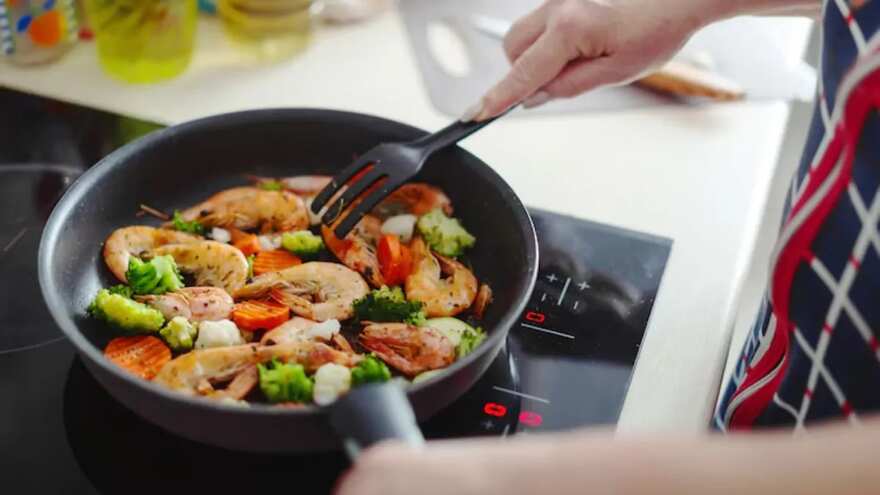
“It’s true that gas stoves, microwaves, mixer grinders have made everything convenient, and it naturally was the need of the hour considering the busy lives. But there’s still a part of me that misses the slow-cooked sarson ka saag in mitti ki handi, roasted baingan and shakarkandi in the open flame,” Rani concludes.




