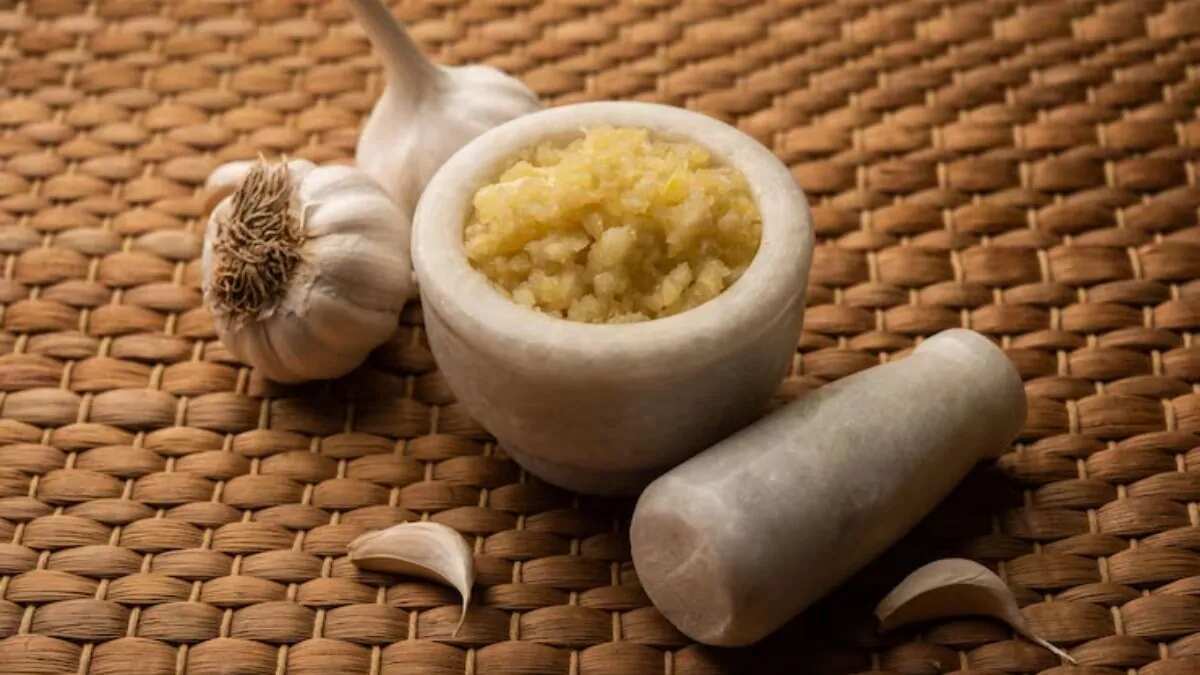
Many households make a full jar of ginger-garlic paste to use later, only to discover after a few days that it has spoiled. One day it smells strong and aromatic, the next it feels watery, pale, or a bit sour and by day two or three, you throw it away thinking it turned stale. Most of the time, it is not because the paste has turned bad, but it is because moisture, air, and careless storage ruined it. Using a wet spoon to dig into the jar, adding extra water while grinding, or keeping the jar in the fridge door can shorten its life span without you even realising it. Since ginger-garlic paste is used almost day-to-day, it deserves better care. When stored the correct way, homemade ginger-garlic paste can remain fresh, fragrant, and safe for weeks.
The secret is not preservatives or too many steps involved, but it’s small habits that maintain the flavour and prevent spoilage. Once you understand why it turns bad, you can easily stop it from happening again and enjoy it for a longer period.
Use Oil As A Natural Preserver
After grinding ginger and garlic together, heat a few tablespoons of oil until warm, then mix it into the paste. Oil forms a protective layer that slows down the moisture and exposure to air. Make sure to store the prepared ginger-garlic paste in a clean, dry glass jar and always keep the surface covered with a thin layer of oil. Use a dry spoon every time you have to use it. This method keeps the paste fresh in the fridge for up to 3-4 weeks and also softens the smell of raw garlic over time.
(Image credits: Freepik)
Add Salt At The Right Stage
Adding salt is not just for the taste, but it also helps in preserving. Mix salt into the paste only after you have ground the ginger-garlic, not before that. Salt helps in pulling out the extra moisture, which helps in controlling the spoilage. Use about one teaspoon of salt per cup of paste. Store the mix in an airtight jar in the fridge. This paste remains fresh for a long period of time, does not develop mould too soon, and is also easy to scoop. Avoid over-salting, or it may impact the flavour of the dishes later.
Freeze In Small Portions
Instead of storing the ginger-garlic paste in one big jar, put the paste in ice cube trays and freeze until it turns into a solid, then transfer these cubes to a zip bag. Every cube equals one cooking portion, so there’s no need to thaw repeatedly. Freezing locks the flavour and colour without having to add any preservatives. The paste remains fresh for up to three months and tastes as good as fresh when added straight to hot oil while cooking.
(Image credits: Freepik)
Reduce Moisture Before Grinding
Wash the ginger and garlic thoroughly, then dry them completely using a kitchen towel. Let them air-dry for at least 15 minutes before you grind. If there is less moisture, it will lead to slow spoilage. Store the ginger garlic paste in a sterilised jar in the fridge. This paste stays noticeably longer and also does not turn watery or sour too soon. This is a simple step that makes a big difference.
Store Smart, Not Convenient
Always store the ginger-garlic paste in the coldest part of the fridge and not on the door. Use a small jar instead of a large one so that the air exposure is less. Make sure to close the lid tightly after every use. These small habits control contamination and prolong shelf life naturally. When stored correctly, homemade paste remains fresh, fragrant, and safe to use for weeks.
(Image credits: Freepik)