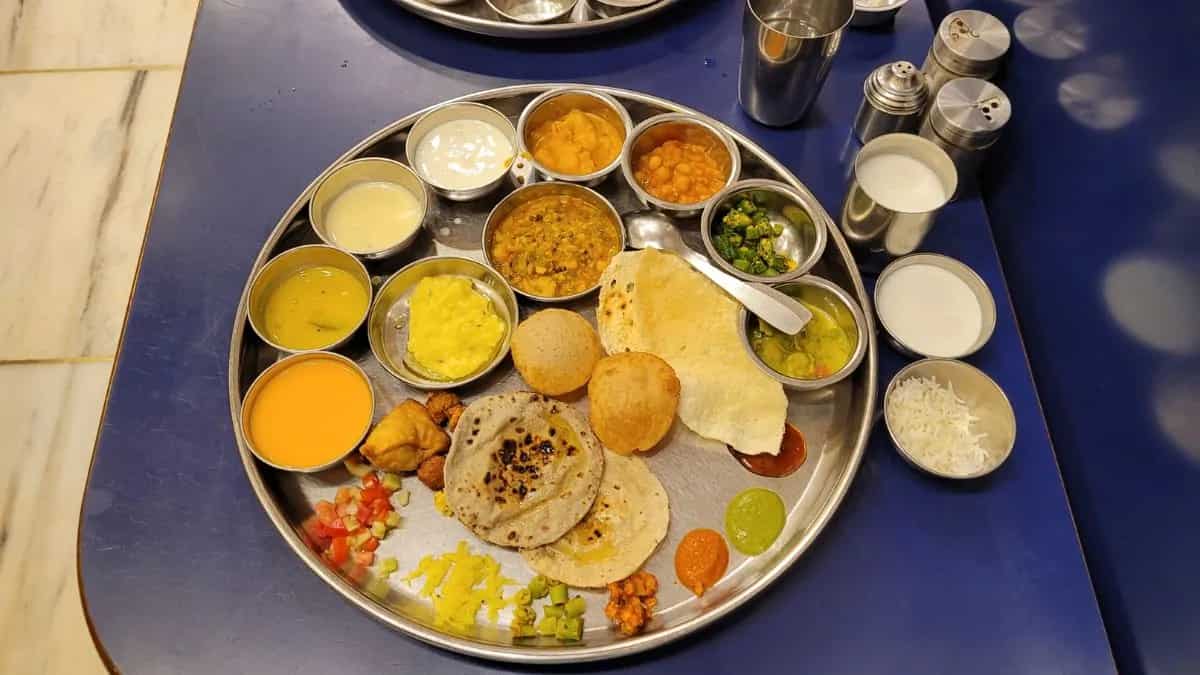
It's astonishing how little is known about the Pathare Prabhu community, until recently and how little known this small, quiet village and its exquisite and diverse cuisine is. Believed to be one of the earliest ethno-religious groupings in the Indian state of Maharashtra, particularly in Mumbai and its surroundings, Pathare Prabhus, along with Kolis and five other clans, were among the first people to settle on the island group now known as Mumbai. The Pathare Prabhus have contributed significantly to the cultural, social, and economic fabric of Mumbai and Maharashtra. The community is small, with approximately 7,000 members worldwide, most of whom are believed to live in Western India. They have also helped preserve and promote traditional customs and ceremonies in their community, and it is said that the group went from Rajasthan to Gujarat, then to Maharashtra, before settling in Bombay, now Mumbai, in the 13th century. The Pathare Prabhu group thrived under British control and established their unique lifestyle and culinary traditions in the country of India.
What Makes Pathare Prabhu Cuisine So Unique?
The cuisine of the Pathare Prabhu includes a variety of seafood, especially since Maharashtra’s coast inspires the food, and take note that it is quite different from the cuisine of other Maharashtrian communities. In fact, many of the dishes cooked by the Pathare Prabhu community are unique to them, and these recipes are passed on from generation to generation.
One of the closely guarded community secrets is the ingredients and proportions of the parbhi masala, a spice blend used in Pathare Prabhu cuisine. The recipe of this masala is passed on from generation to generation, and while the exact recipe for parbhi masala may vary from family to family or region to region within the Pathare Prabhu community, it is made using 16 to 20 ingredients including whole wheat and split Bengal gram.
Image Credit: Flickr
While most of Maharashtra uses grated coconut in their dishes, while coconut is used in Pathare Prabhu meals in the form of coconut cream and milk, rather than grated coconut much like curries cooked in Thailand. These curries are called sambare. While the sambare can be made with fish or prawns, the vegetarian version is made with pineapple or tomato.
Since the Pathare Prabhu community hails from Mumbai there are certain influences of Western cooking techniques that can be seen in their cooking. For example, one can find quite a few dishes from the community where baking is involved. There are pies with potato and shrimp, savoury cakes featuring cabbage, gram flour (besan), and prawns called the bhanavle.
Recently, there has been an effort from the members of this community to promote their culture and cuisine. In Mumbai, for example, pop-ups and private dining experiences have been hosted by home chefs. If you’re really interested in diving into a cuisine that narrates the story of it’s people, here are a few dishes that you can surely try.
Khad Khad Le
One of the dishes that the community makes is called the khad khad le, which derives its name from the crackling noise the kolumbi, or prawns or crabs, make when put in a pan. It is one of the rare crab curries made without coconut and prepared with roasted garlic, turmeric, and chilli powder, but the key to the recipe is the inclusion of the Pathare Prabhu garam masala.
Bhuzana
Bhuzana is a dish that can be made with prawn, pomfret, ghol, or even eggs, potato or vaal beans. The tempering or tadka in this dish is done without heat, and as always, garlic is one of the key ingredients in the bhuzana. In modern kitchens, this traditional Pathare Prabhu curry has seen several interesting variations, where home cooks and chefs experiment with ingredients and techniques while maintaining its light and flavourful essence, such as using paneer or tofu for vegetarian versions, adding coconut milk for a slightly richer texture, or even giving it a contemporary twist by pairing it with steamed rice alternatives or artisanal breads.
Athala
Another popular dish is the athala made with tamarind, jaggery and Pathare Prabhu sambhar Masala. The meals are predominantly eaten with rice and chapatis called khakra because they are slightly toasted with ghee. Some people also like to take it a step further by adding fresh, sliced vegetables like carrots or even raw mango, which also lend themselves well to pickling. Though simple, it’s packed with dimension and flavours that easily amp up any meal and even though it can be eaten almost immediately, it keeps getting better with age.
Ghol Fish Curry
The ghol fish is popular amongst the Pathare Prabhu community and prawns are added to almost every dish, even vegetarian ones. For example, shevla or dragon stalk yam is available only in the monsoons. While it is possible to cook the vegetable as it is the Pathare Prabhus usually love to add shrimp in their version. The ghol fish is among the largest and most expensive fish found in India because its meat and air bladder are high in therapeutic value, making them in high demand around the world.
Image Credit: Wikimedia Commons
Ghada
Another example of Pathare Prabhu cuisine comes from the version of Gujarat’s famous mixed vegetable dish called the undiyo, which is called the ghada. In this version which is cooked with a Pathare Prabhu sambhar masala, meat or fish are added along with the veggies. There are versions of traditional Maharashtrian dishes such as the upma and alu wadi where minced shrimp is added. It is believed that the dish was originally created by the Kathiawadi community, who are known for their love of spicy and tangy food. Over the years, the dish has become popular all over Gujarat and Maharashtra, and is now enjoyed by people of all communities and backgrounds.
Shingdi Or Karanji
They're ideal for eating with a hot cup of tea at any time of day and most groups have a variation of this recipe, which is known in Gujarat as gjiya and karchikkai in Karnataka. Karanji is a must-have crunchy delight packed with oodles of wonderful soft sweetness from coconut, jaggery, semolina, and spices. There’s also a version of the karanji called the shingdi where a pastry is stuffed with sweetened coconut.