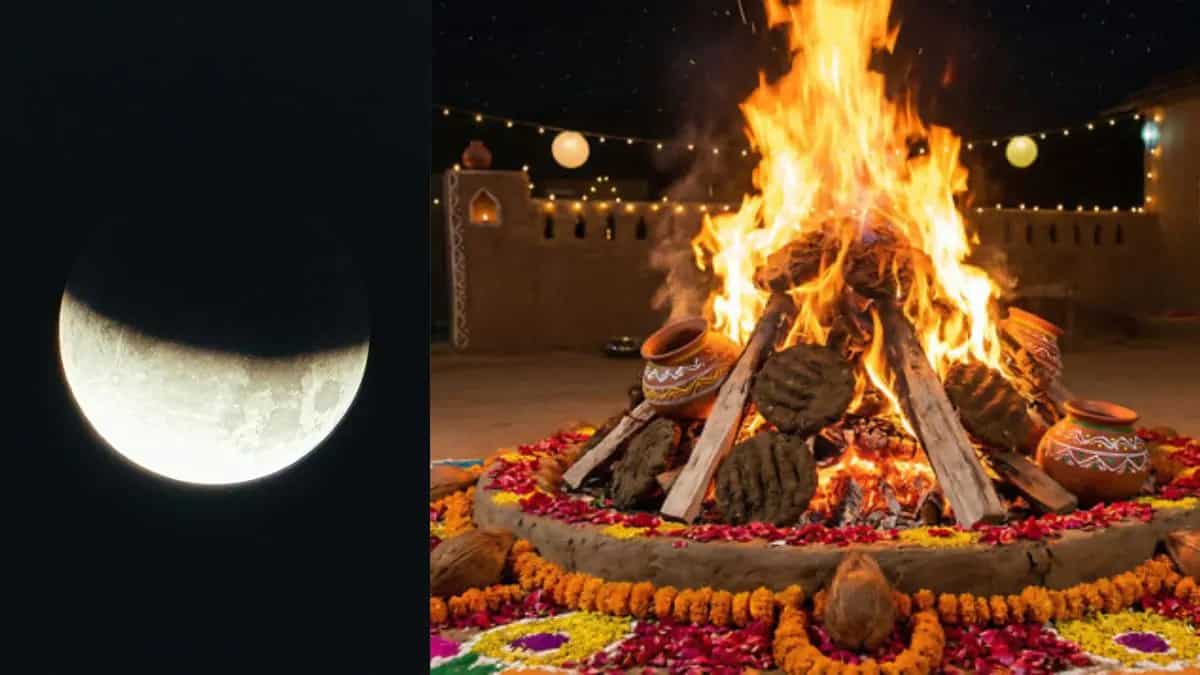
The year 2026 presents a fascinating spiritual puzzle for the Indian subcontinent. As we prepare to celebrate the victory of devotion over ego through the ritual of Holika Dahan, the moon will undergo a total eclipse. In Indian Vedic traditions, a Chandra Grahan or lunar eclipse is more than just an astronomical event; it is a period of deep energetic shifts. When this coincides with the eve of Holi, the rules of engagement change slightly to ensure that the positive energy of the bonfire is not overshadowed by the heavy vibrations of the eclipse. Understanding the balance between these two events requires a look at both the clock and the kitchen. Traditionally, the period leading up to an eclipse, known as the Sutak, is considered a time for inward reflection rather than outward celebration. However, since festivals are bound by specific Muhurats or auspicious windows, the community must learn to harmonise the two.
The Sutak Period And Dietary Discipline
A lunar eclipse usually mandates a Sutak period of about nine hours before the eclipse begins. During this time, the atmosphere is believed to be sensitive, and the digestive fire in the human body is thought to weaken. Consequently, what you put on your plate becomes a matter of spiritual and physical health.
What to Avoid
• Pre-cooked Meals: It is a common practice to avoid consuming food that was cooked before the eclipse started. The belief is that the rays during an eclipse can affect the purity of the food.
• Heavy and Tamasic Foods: Onion, garlic, meat, and alcohol are strictly avoided. These foods are thought to increase lethargy and agitation, which is the opposite of the calm state recommended during a Grahan.
• Fermented Items: Curd or fermented batters should be consumed before the Sutak begins or properly shielded using natural protectors.
• The Act of Eating during the Eclipse: Traditionally, one should refrain from eating exactly when the moon is being eclipsed. For the elderly, the sick, and children, these rules are often relaxed, but healthy adults usually observe a fast or stick to very light liquids.
Image credit: Adobe Stock
What to Eat
• Freshly Prepared Satvik Food: Once the eclipse ends and the moon is visible in its full glory again, it is customary to take a bath and cook a fresh, light meal.
• Tulsi and Kusha Grass: If you have cooked food or dairy products that you cannot discard, placing a leaf of Tulsi (Holy Basil) or a blade of Kusha grass in the container is believed to protect the contents from negative vibrations.
• Ginger and Lemon Water: To keep the digestive system active without overtaxing it, warm water with ginger or lemon is highly recommended during the non-fasting hours of the day.
Image credit: Adobe Stock
Holika Dahan 2026: Timings And Muhurat
Because of the lunar eclipse on 3 March 2026, the timing for the bonfire becomes critical. The goal is to perform the ritual in a way that respects the sanctity of the Pradosh Kaal (the time around sunset) while being mindful of the eclipse phases.
Key Timings for India
Since the eclipse is taking place during the day and early evening, it is essential to follow the specific windows for prayer and the bonfire.
• Sutak Kaal Commencement: 06:23 AM on 3 March 2026
• Beginning of the Lunar Eclipse: 03:20 PM
• Maximum Eclipse Visibility in India: 06:33 PM to 06:40 PM
• Conclusion of the Lunar Eclipse: 06:47 PM
• Ideal Holika Dahan Muhurat: 06:47 PM to 08:50 PM
• Purnima Tithi End: 05:07 PM on 3 March 2026
As the eclipse ends around 18:45, the latter half of the Holika Dahan Muhurat becomes the most favourable time to light the fire. This allows families to complete the eclipse-related cleansing rituals, such as bathing and cleaning the prayer area, before heading out to the bonfire.
Image credit: Adobe Stock
Sacred Offerings For The Holy Fire
Holika Dahan is a ritual of purification. We offer things into the fire that represent our inner impurities, asking for them to be burnt away. When an eclipse is involved, these offerings take on an added layer of significance as they help in neutralizing any stagnant energy.
Traditional Offerings to Include
1. Cow Dung Cakes (Gulari): These are essential for the structure of the fire. They are often made into garlands and placed around the Holika pile to represent the protection of Prahlad.
2. Grains and Harvest: Offering stalks of new wheat and barley is a way of thanking the divine for the spring harvest. These are lightly roasted in the fire and then taken home as Prasad.
3. Dry Coconut: The coconut represents the human ego. Throwing it into the fire symbolises the destruction of the hard outer shell of the ego to reveal the pure spirit within.
4. Batasha and Mustard Seeds: Sweet batashas are offered for prosperity, while mustard seeds (Sarson) are thrown into the fire to ward off the evil eye and negative influences.
5. Camphor and Sandalwood: These are used to increase the purity of the flames and create a fragrant, soothing environment that counters the heavy energy of the eclipse.
Rituals Post-Eclipse And During The Bonfire
Since the eclipse concludes just as the evening rituals begin, the transition must be handled with care. The first step after the eclipse ends is to sprinkle Ganga Jal or holy water throughout the house. This is a symbolic way of refreshing the energy of the home. When you gather around the Holika fire, the traditional practice is to circumambulate (Parikrama) the fire three, five, or seven times. While doing so, many people chant the Narasimha Maha Mantra or simply pray for the well-being of their families. Given the coincidence with the Chandra Grahan, it is also a powerful time to meditate on the moon, which governs the mind and emotions in Vedic astrology. Balancing the heat of the fire with the coolness of the moon can lead to great emotional clarity.