


 Share
Share

As winter fades and the gentle warmth of spring settles across the Indian subcontinent, a spectacular transformation takes place in the wild. The deciduous forests shed their leaves to make way for a brilliant canopy of fiery orange and deep red blossoms. This botanical marvel is the Palash tree, scientifically known as Butea monosperma, but most commonly celebrated as the Flame of the Forest. For centuries, this captivating flower has been deeply woven into the cultural and medicinal fabric of India. From signalling the arrival of spring to providing potent healing remedies, the Palash blossom is a true natural treasure. Let us explore the magnificent heritage of this vibrant bloom, its deep rooted connection to the festival of colours, its profound Ayurvedic significance and creative ways to bring its floral notes into your kitchen.
The Vibrant Connection Between Palash And Holi
When we think of Holi, our minds immediately paint a picture of flying powders and buckets of coloured water. Long before industrial synthetic dyes flooded the markets, Indians relied on the bounties of nature to celebrate this joyous festival. The Palash flower stands at the very centre of this ancient tradition. Historically, the blossoms, also known as Tesu, were gathered in large quantities during the weeks leading up to the festivities. Village communities would dry these bright petals under the spring sun and then boil them in massive vats of water. The result is a stunning, rich saffron or deep yellow tinted water that is completely safe and incredibly beneficial for the skin. Legend says that Lord Krishna himself played Holi using colours extracted from the Tesu flowers.
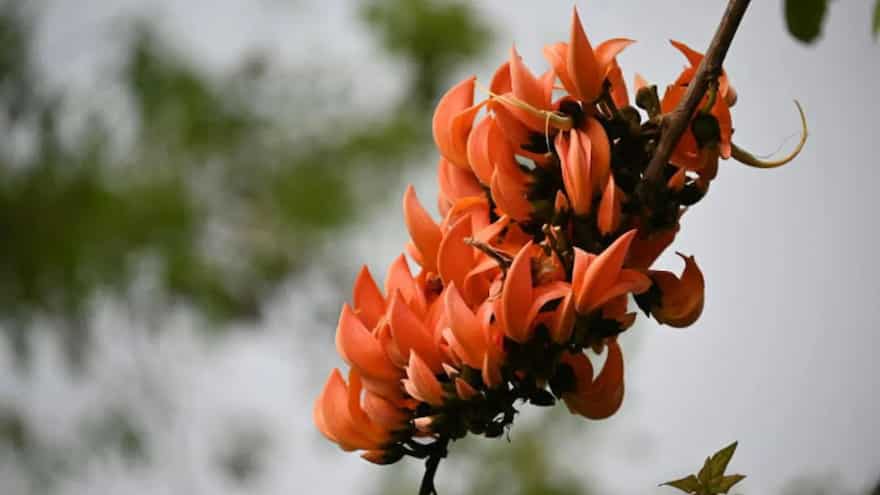
Image credit: Pexels
Today, as people become increasingly aware of the harsh toxins present in modern gulal, there is a massive resurgence in the demand for organic colours. Choosing colours derived from Palash ensures a safe celebration, free from skin irritations and chemical burns. The natural dye washes off easily and leaves behind a subtle, earthy fragrance that embodies the true essence of spring. By returning to this traditional method, we not only protect our skin but also honour our environment by keeping waterways free from harmful heavy metals.
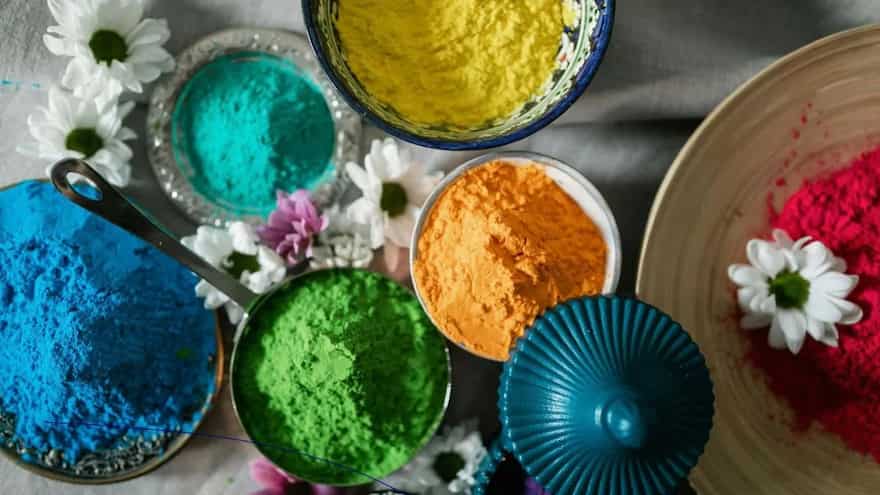
Image credit: Pexels
Ayurvedic Brilliance: Healing The Body Naturally
Beyond its visual splendour, the Palash flower is highly revered in the ancient science of Ayurveda. Classical texts categorise this botanical wonder as a potent healer capable of balancing the doshas, particularly Pitta and Kapha. The flowers possess uniquely cooling properties, making them the perfect antidote to the rising temperatures of the Indian summer. One of the most celebrated benefits of the blossom is its ability to act as a natural blood purifier. Consuming extracts of the flower helps flush out toxins from the system, which in turn reflects outwardly as clear and glowing skin. For those suffering from seasonal skin flare ups, acne or heat rashes, bathing in water infused with these petals offers immediate soothing relief due to their powerful natural properties.
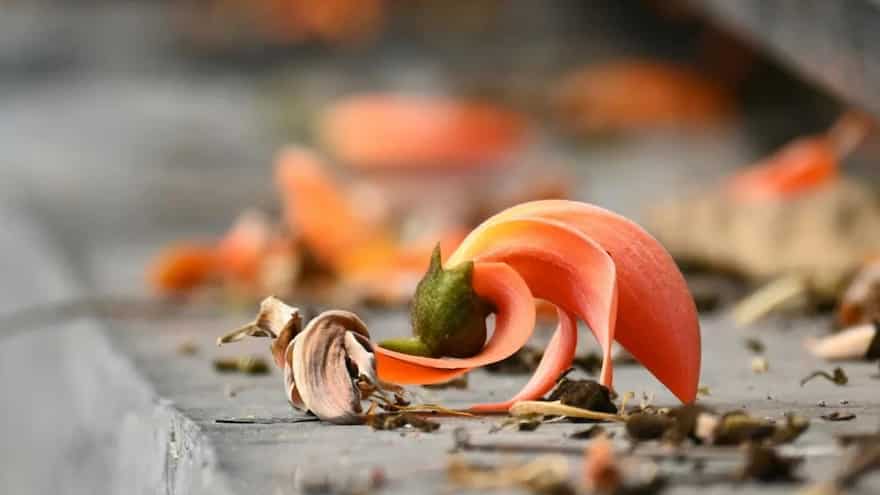
Image credit: Pexels
Furthermore, the flowers act as a brilliant digestive tonic. They help soothe intestinal inflammation, regulate bowel movements and clear abdominal discomfort. Ayurvedic practitioners often prescribe formulations containing Tesu to manage urinary tract issues, as the diuretic properties of the plant encourage the healthy elimination of waste while reducing a burning sensation. The astringent quality of the petals also makes them highly effective in treating minor wounds and reducing swelling.
Harvesting And Storing The Blossoms Safely
If you are fortunate enough to live near rural landscapes or forested areas where the Butea monosperma thrives, you might be tempted to collect the flowers yourself. The best time to harvest them is early in the morning when the blossoms have just fallen from the branches. It is always advised to forage responsibly by picking the freshly fallen petals from the ground rather than stripping the tree, ensuring that local birds and insects still have access to the nectar.
Once gathered, spread the vivid petals onto a clean cotton cloth and place them under direct sunlight. Proper drying is crucial to prevent fungal growth. After a few days, when the petals turn crisp and brittle, transfer them into an airtight glass jar. Storing them in a cool and dark pantry preserves their vibrant pigment and therapeutic properties for several months, allowing you to enjoy their benefits long after the spring season bids farewell.
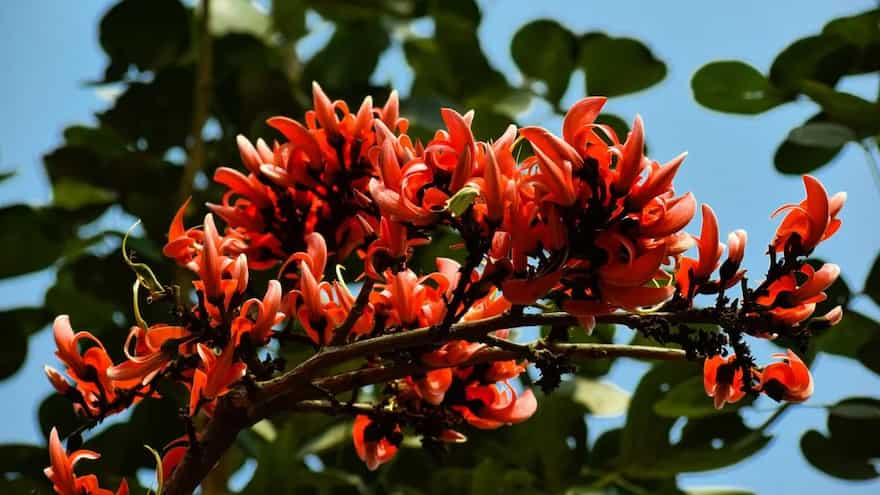
Image credit: Pexels
Bringing The Flame Of The Forest Into Your Kitchen
While applying the extract to your skin is wonderful, incorporating the edible flowers into your diet unlocks a whole new level of holistic wellness. The petals have a mildly sweet, slightly astringent flavour that pairs beautifully with traditional Indian spices and cooling ingredients. Here are three delightful ways to use them in your culinary adventures.
1. Cooling Palash Sherbet
A refreshing glass of sherbet is exactly what the body craves after a long day in the sun.
• Take a handful of dried Palash petals and soak them in a bowl of fresh water overnight.
• The next morning, you will notice the water has taken on a beautiful golden hue. Strain the liquid to remove the petals.
• In a saucepan, gently warm the infused water and stir in some rock sugar until completely dissolved.
• Add a pinch of roasted cumin powder and a squeeze of fresh lemon juice to elevate the flavour profile.
• Serve this brilliant concoction over crushed ice for an instantly cooling summer beverage that fights dehydration.

Image credit: Pexels
2. Springtime Floral Thandai
Thandai is the quintessential beverage for Holi and adding the Flame of the Forest elevates it to a royal delicacy.
• Begin by soaking almonds, pistachios, melon seeds, fennel seeds and a few peppercorns in water. In a separate bowl, soak dried Tesu flowers.
• After a few hours, blend the nuts and spices into a smooth paste.
• Warm a litre of rich milk and add the nut paste along with the strained floral water.
• Allow the mixture to simmer gently, absorbing the pale yellow tint and the delicate floral aroma.
• Sweeten the drink with traditional jaggery or sugar, chill thoroughly in the refrigerator and garnish with dried rose petals before serving to your guests.
3. Soothing Herbal Digestive Tea
If you prefer warm beverages, a simple herbal tea made from these blossoms is incredibly soothing for the stomach.
• Boil two cups of water and add a tablespoon of dried Palash petals along with an inch of crushed ginger.
• Let the mixture simmer for five minutes to allow the essential oils and colours to release.
• Turn off the heat and cover the pot, letting it steep for another few minutes.
• Strain the fragrant tea into a mug. You may add a spoonful of pure honey once the liquid has cooled slightly, ensuring you do not destroy the natural enzymes of the honey with boiling water.
This delicate brew is perfect for relaxing the digestive tract after a heavy festive meal.




