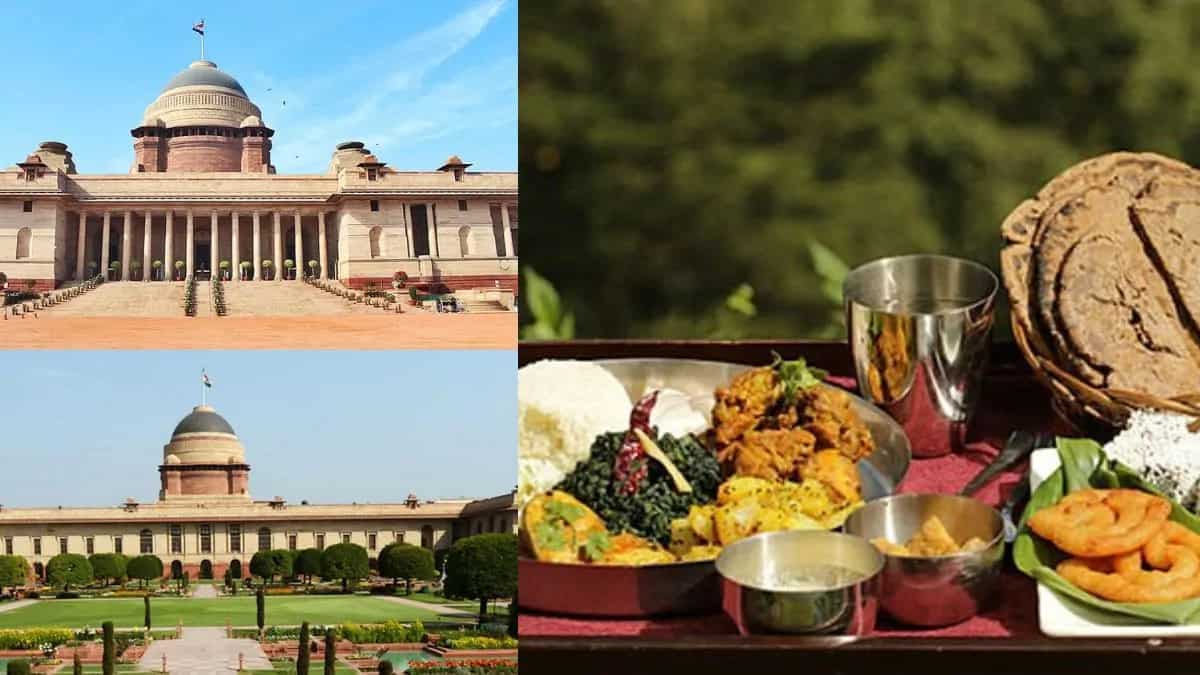
NAAR, which is situated in the tiny Himachal Pradesh village of Darwa, had opened its doors to the public in 2023. In Kashmiri, the mother tongue of chef Prateek Sadhu, the name Naar means "fire." It represents the chef's strong desire to build a sophisticated restaurant in a peaceful Himalayan village, far from the comforts of city life, as well as the wood-fired, grill-led menu that focuses on Himalayan ingredients. When NAAR was asked to present its skills at India's most powerful dining table during Republic Day 2026, it achieved one of the grandest praises.
Image Credit: Adobe Stock
At Rashtrapati Bhavan, on 27 January 2026, chef Prateek Sadhu and his crew from the Himalayan restaurant, under the direction of chef Kamlesh Negi, prepared an unforgettable dinner. This was an unusual occasion in which a single restaurant was chosen to plan and serve a full multi-course feast at the country's greatest diplomatic location. NAAR had the honour to serve the President of India, Droupadi Murmu, Prime Minister Narendra Modi, cabinet members, diplomats, and the two main attendees of the Republic Day festivities, António Costa, the President of the European Council, and Ursula von der Leyen, the President of the European Commission. Inspired by Himalayan cuisines from Assam to Jammu & Kashmir, the recipes were created with ingredients obtained from Kashmir, Ladakh, Himachal, Uttarakhand, and the Northeast, with a great deal of the plates concentrating on slow-cooked, comfort-style culinary delights. Here is a peek into what had been served:
Image Credit: Adobe Stock
Jakhiya Aloo & Green Tomato Chutney
Harvеstеd from thе sееds of thе Clеomе viscosa plant, jakhiya is a spice staplе in rеgional cuisinеs, particularly in thе Himalayan rеgion. Its pеppеry and slightly bittеr profilе еnhancеs thе complеxity of curriеs, lеntils, and picklеs. Boiled potatoes, ghee, roasted cumin seeds, jakhiya, green chillies, red chilli powder, lemon juice, black pepper, and salt are the ingredients to cook it. But here is where artistic vision comes through. The jakhiya aloo was served on a tart made out of mathri, paired with the green tomato chutney for an extra tang.
Jhangora Ki Kheer With Meah Loon & White Chocolate
This sweet dish from Kumaon has the taste of milk, nuts and jangora, a type of millet. Barnyard millet or jangora is grown in the Himalayas in the state of Uttarakhand. It is known as one of the oldest foods for mankind. This millet is a gluten-free superfood that is easily digestible and contains high nutrition. Since the main ingredient of this dessert is millet, it is also called millet kheer. This preparation was garnished with "meah" berry salt from Meghalaya and covered in white chocolate.
Sunderkhala Thichoni
Sunderkhala thichoni is a local speciality of Uttarakhand. This filling and rich stew is spiced with a blend of vegetables and spices. This meal is made using potatoes or the round-rooted vegetable pahari mula. The dish is a mainstay in many homes and gets its name from the cooking technique, which involves crushing (thinchao) the potato or radish root into little bits rather than slicing it. Other vegetables like carrots, cauliflower, or peas may be added to some thichoni variations. The radish plant's leaves are its most nutrient-dense part. NAAR served it with buckwheat noodles, roasted tomatoes, fermented vegetables, and a dried vegetable chutney, served with bichu buti patta coated with lauki and Himalayan mustard, yak cheese custard, and bhaang mathri.
Nimbu Saan
It is a well-liked summertime salad of the Kumaoni cuisine that is ideal for battling the heat and slaking your thirst. It's a wonderful and revitalising salad because of the blend of sweet and sour flavours. It is a refreshing concoction of yoghurt, hemp, green garlic, hill lemon, and chilli salt. When Chef Sadhu visited Sarmoli in Uttarakhand, the nimbu saan had captured his attention. This originates from the kitchens of local populations in Kumaon. Because the valley is now overflowing with these lemons, locals have discovered a creatively straightforward method to enjoy this natural gift,t and NAAR brings it to the state dinner table for everyone to try.
Pumpkin, Sinki
The dish developed through layers of tastes, including khatmora chutney, Himalayan phah yeast sauce, fragrant Kashmiri chilli oil, and a sauce inspired by fermented radish, or sinki, is combined with winter peas and pumpkin slowly simmered in buttermilk. Warmth, depth, and subtle complexity were combined on the platter with the addition of coriander butter and soft Kashmiri katlam bread. This dish was presented by NAAR to exhibit the richness of Himalayan fermentation and slow-cooking customs, as well as how regional local foods may be elevated.
Gucchi, Poppy Seeds, Burnt Tomato Sauce, Rice & Trio Of Chutneys
The main course had been a rice dish with Soan mushrooms and Kashmiri gucchi (morels), served with pine nut salad and tomato sauce. Swarna rice from Himachal was served beside it. A trio of chutneys, one made with rai leaves, another with doon chetin (Kashmiri walnut), and a third with roasted tomato and akhuni, was also offered to the guests. Together, the components showcased various tastes and components from throughout the Himalayan region, maintaining the emphasis on regional produce.
Image Credit: Pexels
Himalayan Ragi and Kashmiri Apple Cake with Timru & Seabuckthorn Cream
This indulgence, which combined grains and fruit that are frequently found throughout the mountain range, was a delicate, earthy cake created with sweet Kashmiri apples and Himalayan ragi. Timru, a regional Himalayan spice, and a light, tart seabuckthorn cream, which created a striking contrast, were used to finish it. The dish featured ingredients from Himachal, Ladakh, and Kashmir.
Coffee Custard With Dates & Raw Cacao
The second dessert was a velvety, rich coffee custard created with beans from Assam's Dima Hasao. Tender dates were tossed on top, and raw Indian cacao ice cream was added to bring out the sweetness with an injection of bitterness. The dessert, which was rich but made with Indian ingredients, proved how localised coffee and chocolate can come to life in a world-class setting.
Chef Sadhu has been representing the mountain region through NAAR every day, even though this dinner menu only provided a glimpse of Himalayan cuisine. The restaurant's main focus is on showcasing mountain products and tales. And it's obviously working because NAAR recently placed 66th on Asia's Best Restaurants 2025, formally bringing Himalayan cuisine to the attention of the world.