Autumn in the northern mountains bears a distinct name among local residents. Harud marks the vibrant transition period running from September through November, bridging warm summer months and the heavy snows of winter. During this time, the towering chinar trees shift from lush green to brilliant shades of copper, amber, and deep rust. Morning mist hangs low over the Dal Lake, while the afternoon sun casts a crisp, golden illumination across Srinagar and the surrounding valleys. The atmosphere carries a sharp edge, prompting a change in pace for every household. People living in the valley recognise that this period demands active preparation rather than passive observation. Farmers race against time to gather the last rice crops from terraced fields. Orchards heavy with apples see frantic activity as workers pluck crisp fruit from branches before frost settles on the terrain. The entire ecosystem hums with urgency, turning the picturesque landscape into a bustling workshop of seasonal transition.
Image credit: Wiki
Rooftops Of Abundance And Sun-Drying Traditions
Long before modern refrigeration reached mountain settlements, communities devised sophisticated methods to preserve summer produce for the long, isolating months of snow. This ancient practice, known locally as hokh syun, transforms residential rooftops and courtyards into open-air drying stations. Walking through villages or older city lanes during Harud reveals households busy slicing vegetables into thin strips or threading them into decorative garlands.
Eggplants, bottle gourds, tomatoes, and turnips are cleaned, partitioned, and left under the open sky to dehydrate naturally. The dry mountain wind and warm sunlight work in tandem to draw moisture from the produce without chemical additives. Turnips are frequently cored into rings and strung on durable twine, hanging gracefully along exterior walls and timber beams. This sun-drying process concentrates natural sugars and deepens flavours, ensuring that winter meals retain the nutritional essence of the summer harvest.
Image credit: Pexels
The Ancient Pantry Of Hokh Syun Delicacies
The resulting collection of preserved foods forms a comprehensive culinary catalog unique to the region. Dried bottle gourd ribbons, known as al hachi, become tender and absorbent when rehydrated for hearty stews. Slices of sun-dried eggplant, called wangan hachi, offer a rich, smoky flavour profile when simmered with robust spices and mustard oil. Tomatoes reduced to deep crimson halves provide essential acidity to winter gravies long after fresh produce disappears from open-air stalls.
For generations, families depended entirely on these dried stores when heavy snowfall blocked mountain passes and halted transport links into the valley. Even though modern supply chains now bring fresh vegetables into local markets throughout the year, traditional households continue the preservation ritual. Passing down these culinary skills ensures that the distinct taste of summer survives inside winter pots, maintaining a direct link to ancestral resourcefulness.
Culinary Cadence Inside Traditional Kashmiri Kitchens
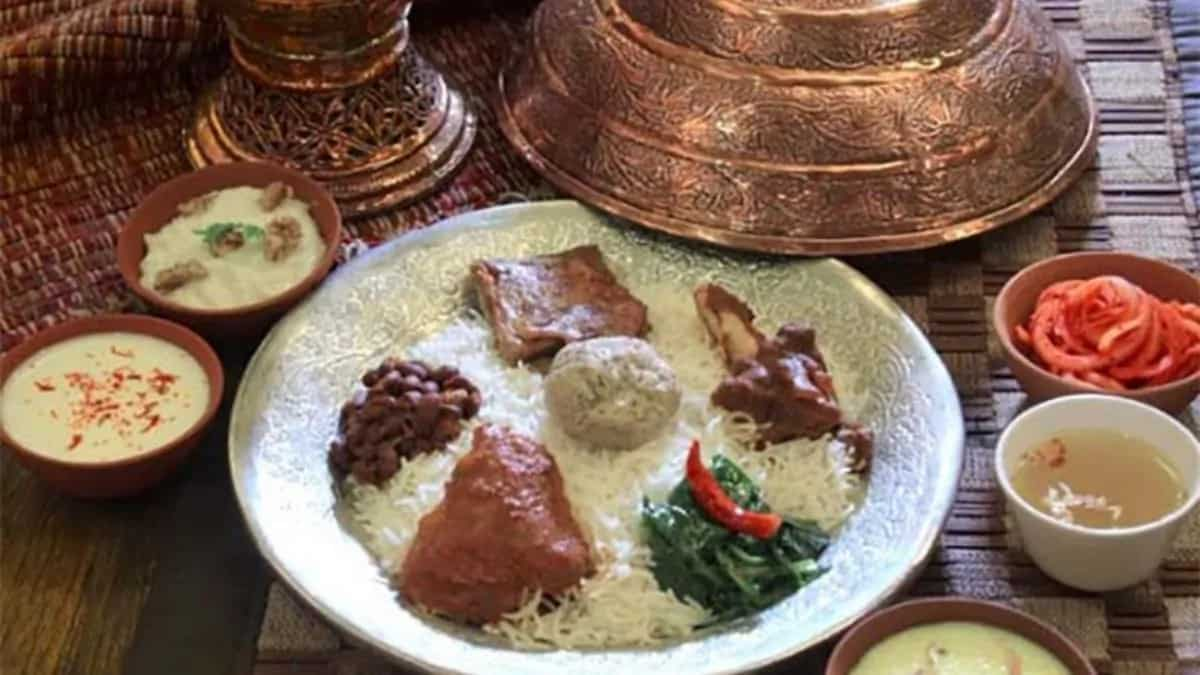
Inside domestic kitchens, the arrival of Harud shifts cooking styles toward warming comfort foods and rich broths. Cooks soak dried vegetables in warm water for hours before introducing them to iron pots filled with pungent mustard oil, fennel powder, and dried ginger. The resulting aromas fill households with a familiar sense of security as evening temperatures drop toward freezing. Legumes such as red kidney beans and black lentils take centre stage in daily meal planning, offering high protein content to combat the mounting chill. As November deepens, specialty dishes like harissa begin to appear in traditional eateries across the old city quarters. Preparing this slow-cooked meat and rice delicacy requires hours of continuous stirring over glowing embers, embodying the patience required to endure the approaching winter months.
Image credit: Pexels
The Precious Saffron Harvest In Pampore Fields
October and November bring a rare agricultural spectacle to the plains of Pampore, situated just south of Srinagar. Delicate purple saffron flowers bloom across the alluvial soil, initiating a communal harvesting ritual that engages entire families. Workers move through the fields at dawn, hand-picking the fragile blossoms before the morning sun fully opens the petals.
Extracting the precious red stigmas from each flower demands meticulous hand labour, highlighting the immense dedication behind the world-famous spice. Children, parents, and grandparents sit together in courtyards separating the delicate threads, filling the air with a distinct earthy fragrance. This cooperative harvest fosters deep social bonds, turning hard agricultural labour into a shared cultural celebration of local heritage.
Image credit: Pexels
Preparing Domestic Spaces For The Coming Cold
Beyond the kitchen, the domestic environment undergoes a thorough seasonal overhaul to block out the mountain chill. Lightweight cotton curtains are replaced with heavy crewel-embroidered woollen draperies. Floors receive extra layers of thick woollen carpets and vibrant namdas, the traditional handmade felt rugs crafted by local artisans. Family members bring portable heating pots, known as kangris, down from dusty lofts. These earthenware vessels, encased in intricate wicker baskets, are filled with glowing charcoal to provide personal warmth beneath loose-fitting woollen cloaks called phirans. Every individual maintains a personal kangri, creating an intimate connection between person and heat source that defines indoor life during the colder months.
Image credit: Wiki
Market Dynamics And Daily Routine Shifts
Local bazaars in Srinagar and rural towns reflect the seasonal shift through altered displays and bustling commerce. Stalls overflow with harvested walnuts, dried fruits, and bundles of preserved vegetables alongside fresh apples from Shopian. Merchants adjust their inventories to supply winter clothing items, heavy woollen shawls, and essential heating supplies.
Daily routines shorten as daylight fades earlier in the evening. Social gatherings move indoors, centred around warm samovars brewing spiced green tea known as kahwa. Conversations naturally drift toward preparations for the harsh forty-day winter freeze ahead, cementing the community spirit that sustains residents through the coldest months of the year.