


 Share
Share

When lotus flowers begin to cover the lakes of Kashmir in shades of pink and green, another part of the same plant calmly makes its way into local markets. Nadru, or lotus stem, is a much-loved Kashmiri vegetable, adored for its firm, a bit crunchy texture and capacity to soak up the light spices. The stem is gathered from the waters of the lakes and wetlands, and is particularly linked with the summer season when lotus plants are thriving.
For Kashmiris, lotus stem is not a rare wonder. It appears in day-to-day meals, festive cuisine, vegetarian food and even in meat preparations. Its charm lies in how differently it behaves depending on how you cook it: crisp when it is fried, soft in a yoghurt gravy and pleasantly chewy when it is paired with other vegetables.
Why Is Lotus Stem So Loved In Kashmir?
The charm of lotus stem begins with its texture. Slice it, and you see its unusual pattern of hollow chambers; cook it lightly, and it maintains a bite that more tender vegetables often fail to maintain. Its flavour is light, a bit earthy and subtly nutty, which makes it a perfect carrier for the distinct fennel, dried ginger, chilli and yoghurt-based preparations that are so loved in Kashmiri cuisine.
There is also a strong association between the vegetable and its landscape. Lotus stems are gathered from the same lakes that are renowned for their lotus blooms, making nadru literally a food from Kashmir’s waters. Its local harvesting and trading also support communities that work around the lakes to collect and gather it.
The Kashmiri Flavours That Suit Lotus Stem
Kashmiri cooking often depends on a relatively focused group of herbs and condiments rather than tossing everything in the pot. Fennel and dried ginger are especially important in many traditional preparations that include nadru, giving the vegetable warmth and fragrance.
Yoghurt is another natural match to this. In preparations such as nadru yakhni, its light tanginess makes a light gravy that lets the lotus stem remain the highlight of the dish. In the fried versions, the seasoning turns out to be bolder, with chilli and other spices adding heat to the crisp outer surface.
This is part of nadru’s charm: it does not have an overpowering taste of its own, so the same vegetable can move comfortably from careful and rich preparations.
From Yakhni To Fritters, Lotus Stem Keeps Changing
One of the most useful ways to comprehend nadru is to look at what additional cooking methods do to it.
In nadru yakhni, the stem is cooked in a yoghurt-based gravy that turns soft while maintaining some bite. The blend is mild, fragrant and especially tastes best when paired with rice.
In nadru monje, slices get covered in a spiced batter and then fried. Here, the focus shifts to the contrast: it is crisp from outside, firm and a bit chewy from within. It is typically enjoyed as a snack or tea-time partner.
Nadru also appears with greens like spinach and with vegetables like turnip. In these varieties, its firmness proves useful too, adding texture along with other softer ingredients.
So there is no single “nadru taste”. The same stem can turn out to be creamy, crisp, rich or a bit spiced relying on how it is cooked.
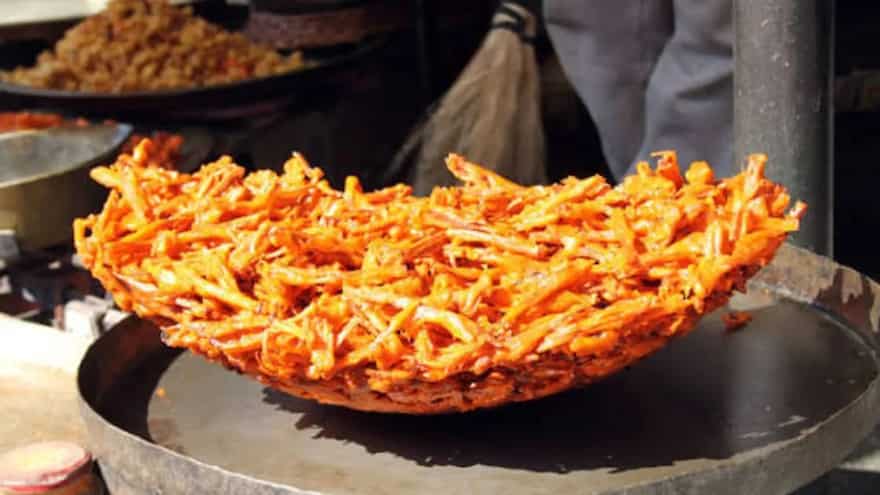
(image credit: Wikimedia Commons)
How To Buy And Clean Lotus Stem
If you spot fresh lotus stems at a vegetable market, look for the ones that feel a bit firm and heavy for their size, without too much bruising, dark patches or a slimy texture.
Once you bring them home, peel away the outer layer and slice each stem into equal rounds. Wash the slices thoroughly, paying special attention to the holes running through the centre. This is the place where soil and dirt get collected.
A good cleaning job makes a discernible difference to the final taste of the dish. Nadru should have a clean, fresh taste; nobody wants the crunch of sand alongside it.
More Than A Vegetable On The Plate
Nadru is enjoyable because its story does not start in a field. It begins in the water. The same terrain that gives Kashmir its well-known lotus flowers also delivers a vegetable that has evolved deeply woven into its food traditions.
That makes nadru more than just a seasonal ingredient to discover during the monsoon. It is a reminder of how closely Kashmiri cuisine is linked to its surroundings, from lakes and wetlands to markets and family kitchens.




