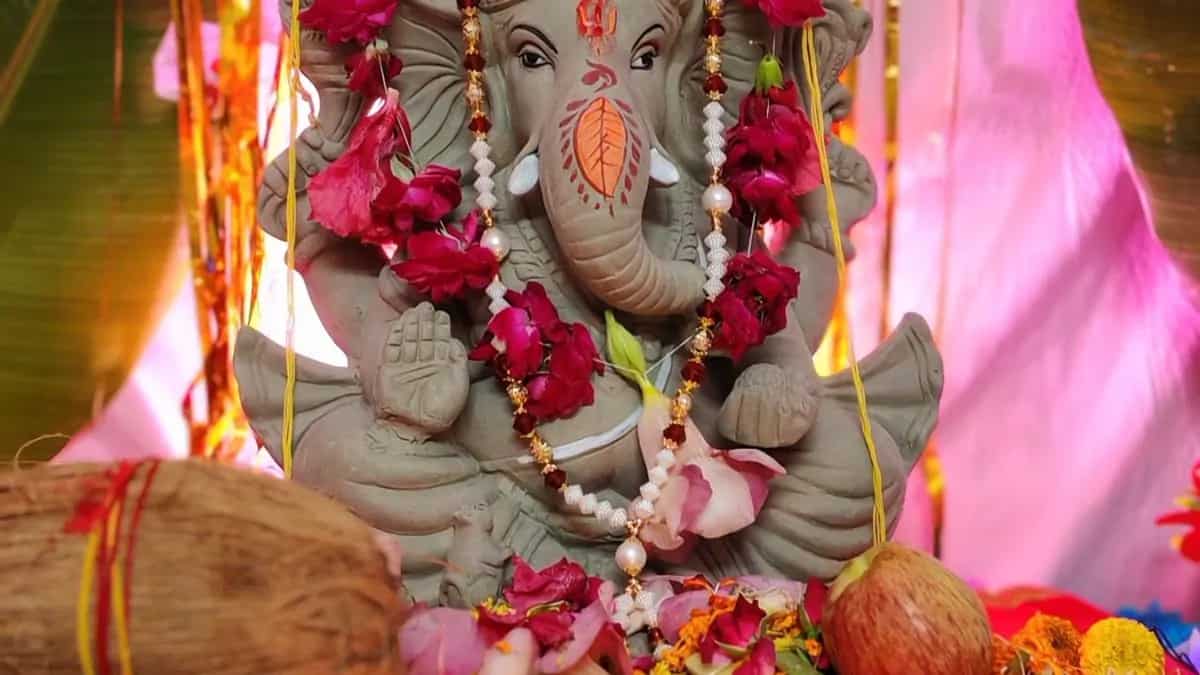
Ganesh Chaturthi 2026 will be observed on September 14, 2026, marking the arrival of Lord Ganesha into homes with prayers, devotion and festive food. Many people place Bappa's idol at home and perform puja and even host guests. If you are also planning to bring Bappa home for the first time, the celebration can feel exciting as well as a bit overwhelming at the same time. There is an idol to welcome, puja to organise, bhog to make and also take care of the guests that come to pay a visit.
Ganesh Chaturthi bhog is a whole vegetarian spread, although the exact dishes and ingredients offered differ across families and regions. Modak remains one of the most closely knit offerings, whereas fruits, coconut, pooran polu, and other homemade sweets also find a place on the bhog thali. If this is your first time hosting Ganesh Chaturthi, a little planning can make the actual day more manageable. Know what is traditionally offered to Lord Ganesha, what can be made ahead for the bhog offerings and which dishes are best made fresh so that they stay fresh while serving to guests.
Plan The Bhog Before You Plan The Party
As a first-time Ganesh Chaturthi host, begin by deciding what will go on the bhog thali and also what you can manage easily. A bhog spread could have steamed modak, puri, batata bhaji, moong dal, steamed rice, puran poli and fruits such as apples, bananas, coconuts, etc.
Also, don't be intimidated by the menu, as you do not need all of these; pick four or five dishes depending on the number of people you are hosting. Batata bhaji is generally useful as it can be cooked ahead and then just reheated close to serving time, while dal and rice are easy to scale.
(Credits: Freepik)
Let Modak Set The Festive Tone
If you are making modak for the first time to offer to Bappa, ukadiche modak is worth preparing. But do it carefully, as the rice-flour covering can crack if the dough is too dry. The filling for modak is generally made by cooking grated coconut with jaggery and cardamom until it turns moist and soft. Make this filling beforehand and let it cool down thoroughly before shaping the modaks.
The rice-flour dough should be soft and flexible, not sticky or stiff, like the regular roti dough. Make the modaks before the puja and steam them in batches. Keep a few extra pieces aside, as the cracked or uneven ones are almost unavoidable when you are making it for the first time.
Build The Meal Around Familiar Festive Food
Once modak is sorted, pick dishes that people can comfortably eat even while standing, rather than adding a separate elaborate preparation for every course. Puri with batata bhaji, moong dal and rice makes a reliable base, while puran poli or shrikhand can add a festive touch to the spread.
If you are serving puran poli, make the chana dal-jaggery filling beforehand because it needs time to cool before you stuff and roll the dough into flatbread. If the gathering is larger, one dry sabzi such as potato or cabbage is easier to manage than another gravy. Think about texture too: a soft dal, crisp puri, dry sabzi and sweet dish make the thali feel complete.
(Credits: Freepik)
Know What To Prepare Before The Puja
Don't leave every dish for the morning of Ganesh Chaturthi, thinking you can make everything just before the puja or the guest's arrival. The puran poli filling, modak filling, chopped vegetables, cooked dal and dessert can be made in advance. On the day, just try to finish the preparations that need to taste fresh: knead, fill and roll puran poli; steam the modaks and fry the puris just before serving.
Rice can be cooked while the final dishes are being completed. Keep the bhog utensils, serving bowls and ingredients all in one place before the puja starts. This also gives you time to check that nothing needed for the offering has been skipped.
Decide What Goes On The Bhog Plate
The bhog plate does not have to include every dish that is made for the guests. Set aside a clean portion of the food you have made, along with modak, fruits and other offerings. If puran poli is part of your menu, one small piece can be added to the bhog rather than keeping the whole pile.
Keep the food freshly made and arrange it neatly rather than overcrowding the plate. Most notably, follow your household’s regular puja customs if they vary from another recipe or festival guide. Ganesh Chaturthi food traditions differ considerably between regions and families.
Host The Meal Without Missing The Celebration
The biggest mistake you can make as a first-time host is choosing a menu that needs constant attention after the puja starts. If you have guests coming over, fry puris in batches, keep the dal and sabzi warm, and steam the modaks close enough to serving time so that they remain soft.
Set out plates, glasses, spoons, napkins and serving bowls ahead. Keep a little extra rice, dal and puri dough rather than making large quantities of every dish. Most importantly, leave yourself a few minutes to greet guests and sit down for the meal with everybody. A Ganesh Chaturthi spread should be festive, but it should still feel like a meal made at home.