


 Share
Share

In 2026, Ganesh Chaturthi takes place on September 14, with the Chaturthi tithi beginning at 7:06 am that morning and ending at 7:44 am on 15 September. The festival marks the birth of Lord Ganesha, the beloved son of Maa Parvati and Lord Shiva. Ganesha is the Hindu deity associated with wisdom, prosperity, maternal loyalty, as well as auspicious beginnings. In cities such as Mumbai and Pune, as well as various homes across India, the day is all about rituals, music, elaborate decorations, and, of course, a rather glorious amount of festive food.
For devotees on a gluten-free diet, the good news is that the traditional Ganesh Chaturthi prasad platter or dessert table does not need a complete overhaul. This is because rice flour, coconut, jaggery, sesame, peanuts, and gram flour naturally lend themselves to several festive preparations, while being gluten-free. And the most iconic of them all, the steamed Maharashtrian modak, is traditionally made with rice flour rather than wheat. Modak has such a strong association with Ganesha that he is also traditionally described as ‘Modakapriya', or one who loves modak.
There is one important distinction to keep in mind here. Gluten-free is not the same as calorie-free. Ingredients such as jaggery, coconut, nuts, and ghee are all nutritious, especially when consumed in moderation. But they still contribute energy and nutrients such as carbs and healthy fats. Therefore, the trick to savouring such occasions is not to turn prasad into diet food. It is to make thoughtful portions of suitable sweets that still feel festive. And if you are on the gluten-free wagon, then these desserts are worth a try.
Go Gluten-Free With These Bappa-Approved Desi Dessert Recipes
Ukadiche Modak
If there is one sweet that deserves the place of pride on a Ganesh Chaturthi thali, it is ukadiche modak. The soft rice-flour shell is steamed, while being home to a fragrant filling of fresh coconut and jaggery. The result is a delicate contrast of tender exterior and chewy, caramel-like centre. This modak is traditionally prepared as an offering for Lord Ganesha during the festival.
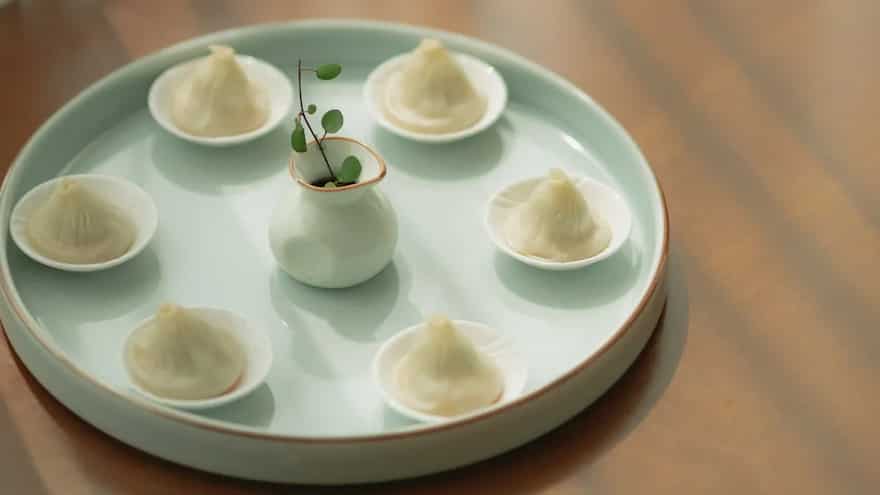
Image credit: Unsplash
Ingredients (Makes 12)
For the filling
- 1½ cups freshly grated coconut
- ¾ cup grated jaggery
- ½ tsp cardamom powder
- A pinch of nutmeg
- 1 tsp ghee
For the covering
- 1 cup fine rice flour
- 1 cup water
- 1 tsp ghee
- A pinch of salt
Method
- Heat your ghee in a pan and add in the coconut and jaggery. Now, cook carefully over low heat until the jaggery melts and the mixture becomes fairly dry. Then stir in the cardamom and nutmeg, and cool the mix.
- In the meantime, bring your water, ghee, and salt to a boil. Now, lower the heat and gradually stir in the rice flour. Mix until it forms a soft dough.
- Then cover and leave for a few minutes. While it is still warm enough to handle, knead the dough until smooth.
- Time to divide it into 12 portions. Flatten each into a small disc, place some filling in the centre, and pleat the edges upwards to form the familiar modak shape.
- Steam the lot for about 10–12 minutes. Serve warm, optionally brushed with a tiny amount of ghee for extra indulgence.
Also read: Ganesh Chaturthi 2023: The Tale Behind Lord Ganesh’s Love For Muri Aka Puffed Rice
Kesar Pista Shrikhand
Shrikhand brings a softer, cooler dessert option to your Ganesh Chaturthi spread. The yoghurt-based sweet is particularly associated with Maharashtra and Gujarat and can be served in small portions even after the main prasad. It is also naturally gluten-free, especially when made with plain yoghurt and uncontaminated flavouring ingredients at home.
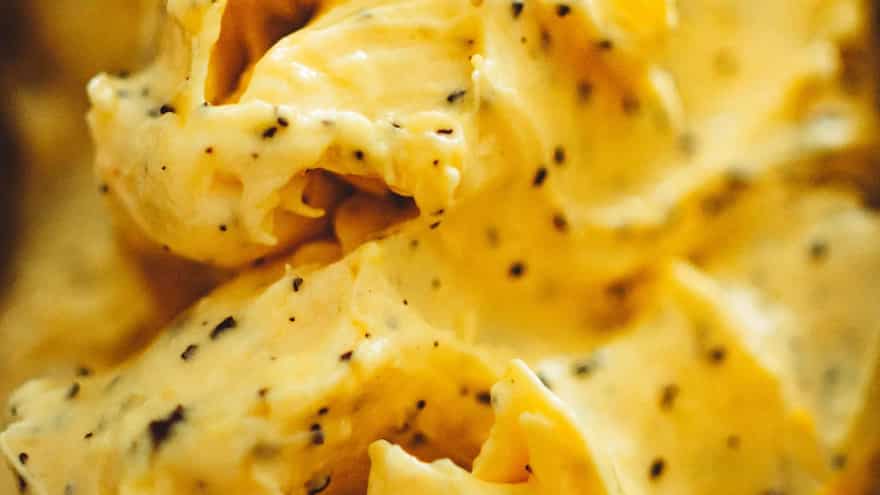
Image credit: Pexels
Ingredients (Serves 6)
- 750g full-fat plain yoghurt
- ½ cup powdered sugar
- ¼ tsp saffron
- 1 tbsp warm milk
- ½ tsp cardamom powder
- 2 tbsp chopped pistachios
Method
- Place your yoghurt in a muslin cloth, tie securely, and hang or refrigerate it over a bowl for 5–6 hours to drain away the whey.
- Then transfer the thick yoghurt to a bowl. Soak saffron in warm milk for 10 minutes, and then add it to the yoghurt along with powdered sugar and cardamom.
- Keep whisking until smooth and creamy. Finally, fold in most of your pistachios and refrigerate for at least 30 minutes. Garnish with the remaining pistachios before serving.
Pala Undrallu
Regional, simple yet highly festive, Pala undrallu is a great gluten-free sweet option for delighting both Bappa and guests alike. Made with rice flour and served with a sweet coconut-sesame preparation, it is traditionally associated with the Andhra-style Ganesh Chaturthi menu.
Ingredients (Serves 4)
- 1 cup rice flour
- 1½ cups water
- Pinch of salt
- 1 tsp ghee
- 2 cups milk
- ¼ cup jaggery
- 2 tbsp grated coconut
- 1 tbsp sesame seeds
- ½ tsp cardamom powder
Method
- Boil 1 cup of water with salt and ghee. Then add in your rice flour, stir vigorously, and cover for 2 minutes. Cool slightly, knead the dough until smooth, and then roll into small balls.
- Steam these balls for 8–10 minutes. In the meantime, warm your milk and add jaggery, coconut, sesame, and cardamom to it.
- Do not boil vigorously after adding the jaggery. Let the dessert take its sweet time. Finally, pour in the steamed rice dumplings and simmer gently for 2–3 minutes before serving.
Also read: Ganesh Chaturthi 2023: 6 Kadubu Recipes From Karnataka To Celebrate With
Besan Laddoo
Since besan is made from chickpeas, it is naturally gluten-free and very useful in festive sweets. A properly roasted besan laddoo has a distinctive toasty aroma and a crumbly, melt-in-the-mouth texture that needs very little embellishment.
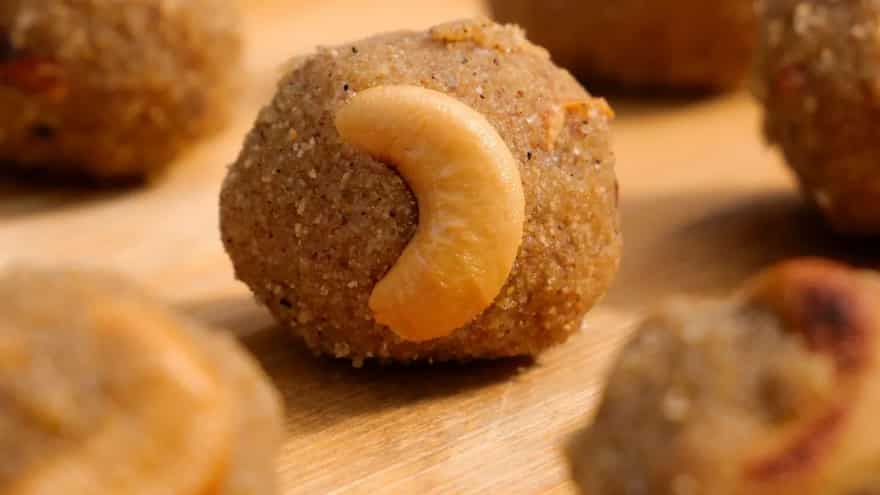
Image credit: Pexels
Ingredients (Makes 10)
- 1 cup besan
- ¼ cup ghee
- ⅓ cup powdered jaggery or fine sugar
- ¼ tsp cardamom powder
- 2 tbsp chopped almonds or pistachios
Method
- Warm your ghee in a heavy-bottomed pan. Now add your besan and roast over low heat, stirring continuously, until it becomes fragrant and turns a deeper golden colour.
- This can take around 10–12 minutes. But rushing this stage can and will cause your laddoos to taste raw.
- Finally, remove from the heat and cool it until just warm. Time to mix in your powdered jaggery, cardamom, and nuts. Once the mixture is cool enough to handle, divide and roll into laddoos.
- To ensure everybody gets to enjoy the laddoos without overindulging, keep their sizes small instead of making oversized, halwai-style portions that are rather filling.
Sweet Kozhukattai
Down south, the festive rice-flour dumpling appears in another familiar form: sweet kozhukattai, which is traditionally associated with Vinayaka Chaturthi. Like ukadiche modak, this gluten-free dessert pairs a soft rice-flour exterior with a coconut-jaggery filling. This resemblance to other preparations is just a simple reminder of the fact that India's regional festive cuisines often speak the same culinary language.
Ingredients (Makes 12)
- 1 cup rice flour
- 1 cup water
- A pinch of salt
- 1 tsp ghee
- 1 cup grated coconut
- ½ cup jaggery
- ½ tsp cardamom powder
Method
- Cook your coconut and jaggery together first, until the mixture thickens. Then add in the cardamom and let the filling cool.
- On the other hand, boil water with salt and ghee. Add the rice flour gradually, stirring consistently until a soft dough forms. Now cover and let it rest for five minutes.
- Remember to knead the dough while still warm. Then divide it into 12 portions and flatten each into a small disc.
- Time to place the coconut-jaggery mixture in the centre, fold, and seal carefully. Steam for 10–12 minutes until the outer layer looks properly cooked and slightly glossy.




