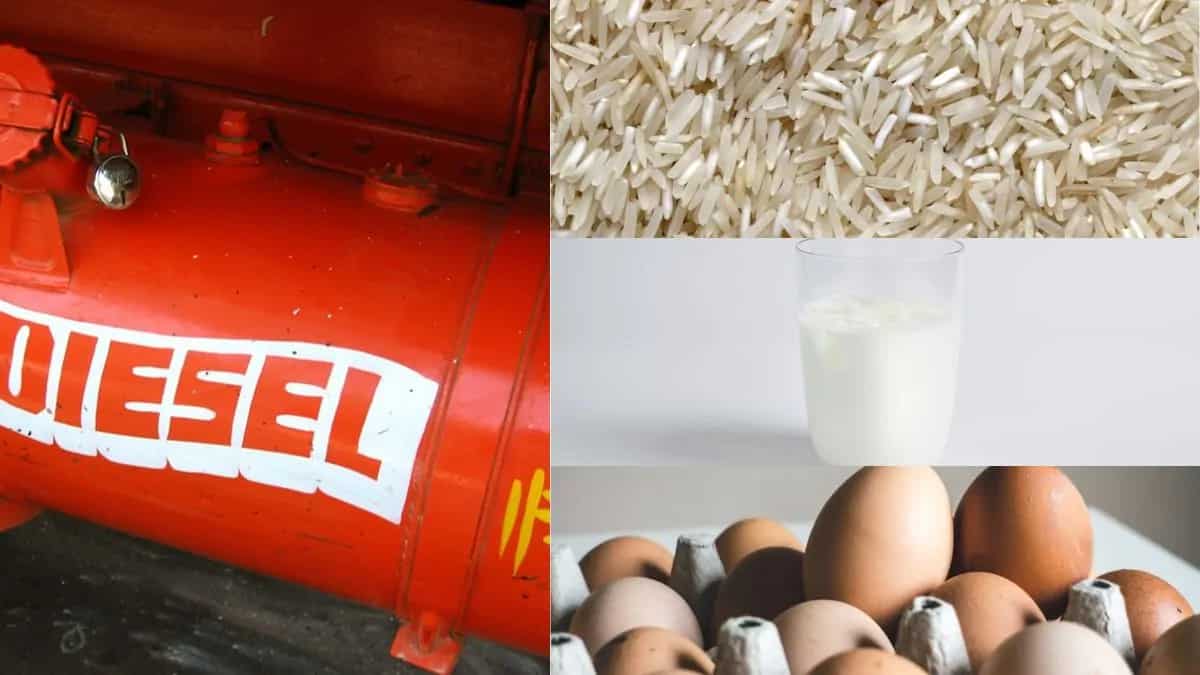
The increase in fuel prices comes shortly after Prime Minister Narendra Modi urged consumers to reduce their fuel consumption and take other steps, as rising crude oil prices threaten India's import bill. While the immediate effect is obvious at petrol stations, many believe the true impact of increased gasoline costs is considerably broader. Over time, it may have a greater influence on food prices, transportation costs, internet delivery, and perhaps monthly household spending.
Image Credit: Adobe Stock
At the same time, following news of a two-week truce in Iran, stock markets throughout the world rose, but crude oil prices fell. However, there is less hope about how much of this will affect people's finances, with worries that long-term harm has already begun in terms of daily food and the daily grocery items one usually stocks up on. If you’re wondering why it impacts food consumption, especially items like rice, pulses, mustard oil and milk, you have to understand that these food items or ingredients that are stacked up in stores and shops use vehicles that use fuel. Read on to know why the fuel prices are spiking and how it can affect your monthly budget.
Also Read: Feeding The Frontline: How Kolkata’s Largest Institutional Kitchen Feeds Thousands Amidst LPG Crisis
Why The Fuel Price Hike Impacts India’s Food Consumption
Diesel prices in India are also sensitive to global events such as West Asian wars, crude oil surges, shipping difficulties, particularly in the Strait of Hormuz, refinery bottlenecks, and currency devaluation. Even if India imports inexpensive crude from nations such as Russia, retail diesel prices may climb due to increased refining costs, insurance and freight expenses, temporary losses absorbed by oil marketing organisations, and large taxes.
Image Credit: Adobe Stock
Impact Of Rising Fuel Prices On Groceries, Restaurant Bills, And More
Daily Cooking Oil, Rice, Eggs, Pulses See A Surge
Since road transport accounts for a substantial portion of India's food supply, increasing fuel prices frequently have an impact on kitchen budgets. Vegetables, fruits, milk, grains, and packaged goods become more expensive to transport, and these higher prices are eventually passed on to consumers.
India has already noticed early symptoms of cost constraints as Amul and Mother Dairy recently boosted milk prices by Rs 2 per litre, blaming increased gasoline and logistical expenses. Biscuits, cooking oil, rice, atta, lentils, sugar, tea, spices, the whole store shelf relies on diesel-powered supply routes. When input prices rise, businesses either discreetly reduce pack sizes (known as shrinkflation) or modify the maximum selling price. Sometimes both.
Online delivery and e-commerce services may also cost more. When fuel prices rise, food delivery applications, supermarket platforms, courier companies, and e-commerce businesses often incur greater logistical costs. Companies may respond by boosting shipping fees, limiting discounts, or raising minimum purchase quantities.
Image Credit: Wikimedia Commons
Revised Commercial LPG Price List Impacts Restaurants, Hotels & More
The third consecutive monthly increase in commercial LPG cylinder rates has significantly increased operating expenses for restaurants, hotels, and street food sellers, many of whom rely largely on LPG for everyday cooking. Due to the continuing West Asia conflict, a 19-kg commercial LPG cylinder, which is frequently used in restaurants and hospitality industries, has increased in price by a record INR 993; surprisingly, the price in Ahmedabad has reached INR 3,091!
Many places may be obliged to raise menu pricing by 20-30% or secretly reduce portion sizes to safeguard profits that are already under pressure from variable food oils, veggies, and labour expenses, according to industry analysts. Commercial LPG increases will have a direct influence on menu prices across the board. Mid-segment operators, whose typical bills range between INR 900 and INR 1,000, find sudden changes extremely challenging, forcing many to bear the brunt themselves. Many places are trying to switch to using induction cooktops or traditional cooking methods, where you need to cook with firewood and earthenware.
Image Credit: Wikimedia Commons
Farmers Face The Wrath Of Fuel Hike, Resulting In Increased Agricultural Expense
Diesel costs may put more strain on the rural economy. Farmers rely heavily on diesel-powered tractors, irrigation pumps and transport vehicles. Higher fuel costs might increase agricultural expenses, putting pressure on food prices later. Fuel prices are extremely important in India since transportation costs affect almost every sector, including industry, agriculture, retail, and services. A shortage of crude oil has already raised fears about fertiliser output, despite the Centre's assurance that there is ample stock for the next kharif season.