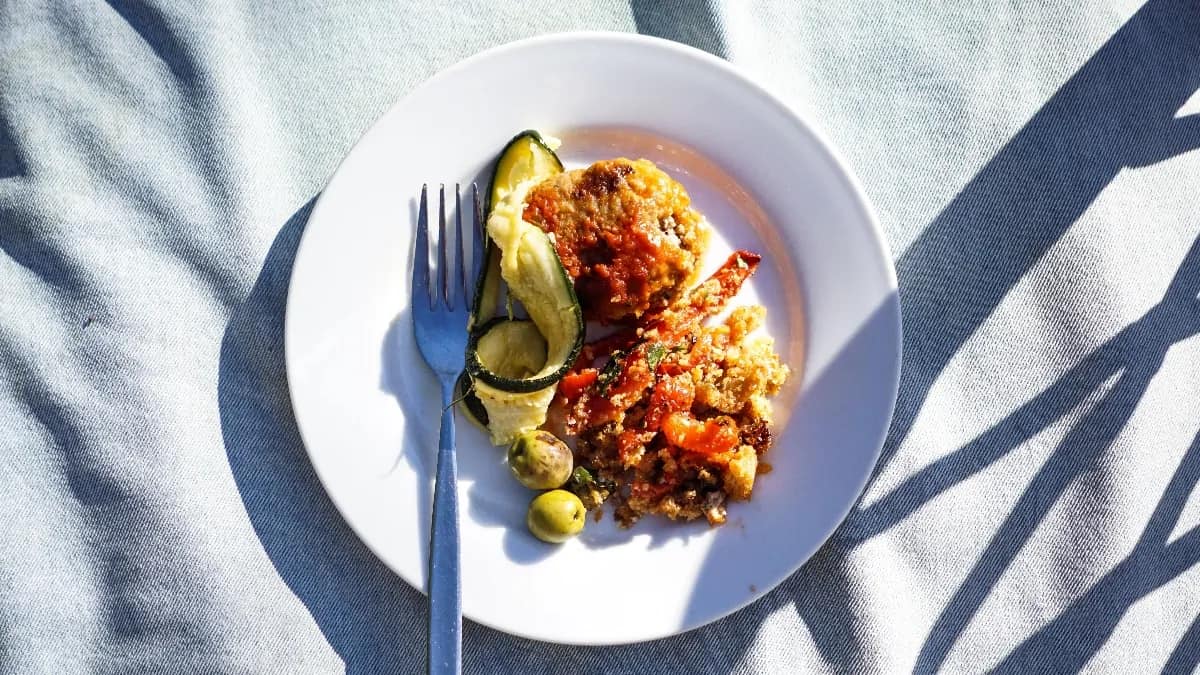
If there was any doubt that millet has moved well beyond the health food aisle, then India’s latest diplomatic dinner made the point pretty neatly. At the 2026 BRICS Summit in New Delhi, millet appeared in the carefully curated menus prepared for international delegates, alongside various regional Indian dishes and contemporary interpretations. Reports on the summit menus also mentioned millet upma, ragi dosa and millet pongal, while luxury hotels incorporated millet cookies and other millet-based offerings into their hospitality spreads.
Now this is quite a journey for a grain that was once dismissed in many urban kitchens as coarse, old-fashioned, and distinctly unglamorous. Millet has not exactly been rediscovered by the latest generation. It has simply been reintroduced to them in a completely different costume.
Ragi Has Left The Roti And Entered The Brunch Menu
In India, finger millet or ragi may have undergone one of the most familiar and noticeable contemporary makeovers. Of course, its traditional territory remains firmly in the South: ragi mudde, ragi rotti, dosa and other everyday preparations are still central to their regional cooking. But modern kitchens have realised that its deep, earthy flavour works surprisingly well beyond those nostalgic boundaries.
Image credit: Pexels
At the G20 summit in Delhi, chefs used ragi to prepare familiar Indian breakfast foods including idli, dosa, poha, and puris, while also turning millet into pasta, noodles, risotto, and ravioli. That menu was particularly eye-opening, because the grain was not being presented merely as a nutritional substitute; it was being treated as a serious culinary ingredient.
Similarly, the Indian Institute of Millets Research (IIMR) lists ragi and other millets across various contemporary preparations, including pancakes, cakes, pasta-style foods, and other desserts. That makes ragi particularly interesting in modern baking. Its roasted, almost malt-like character helps lend depth to biscuits, breads, and chocolate desserts, while its flour can bring a distinctly desi flavour to otherwise familiar Western formats.
Jowar Is Finding A Second Life As Flour
Sorghum, or jowar, perhaps has the easiest route into contemporary cooking because it behaves beautifully as a flour. The traditional Indian repertoire already provides it with a formidable foundation, as jowar bhakri is one of the great flatbreads of western and central India. But modern cooks are taking the flour towards pizza bases, crackers, breads, pancakes, and baked snacks. And this is not merely theoretical experimentation, as evidenced by the IIMR’s documentation of contemporary millet recipes.
Jowar's appeal here is its personality. It has enough flavour to prevent a gluten-free base from becoming bland, but remains sufficiently neutral to work with ingredients like tomato, cheese, herbs, roasted vegetables, or any particularly Indian toppings. For instance, a jowar pizza with smoked aubergine and chilli oil feels like a modern yet familiar dish rather than a traditional recipe awkwardly wearing a Western costume.
Bajra Is Moving From Winter Rotis To Fine Dining
Pearl millet, or bajra, has an even more dramatic contrast between its old and new identities. In Rajasthan, Haryana and parts of Gujarat, bajra roti remains a deeply rooted food, often eaten with ghee, jaggery, vegetables or pulses. Contemporary chefs, however, have begun exploiting its toasted, robust flavour in far more elaborate formats.
The Food and Agriculture Organisation of the United Nations, aka FAO's Global Chefs Challenge, included creative dishes such as a pearl millet crêpe with avocado and pickle, turning the grain into a delicate vehicle for creamy and sharply spiced flavours, along with millet tortillas with mushroom stuffing, among many others. This shift is significant. Bajra is no longer being valued simply because it can replace wheat. Its slightly smoky, rustic character is becoming the reason chefs prefer it.
Image credit: Pexels
Kodo Millet Can Pull Off A Rather Convincing Risotto
Perhaps the most deliciously unexpected transformation belongs to kodo millet. Rice is so deeply associated with risotto that replacing it can sound almost sacrilegious. Yet the FAO's Global Chefs Challenge includes an actual kodo millet risotto with a crisp made from barnyard millet, created by Indian chef Satinder Shergill.
The preparation uses mushrooms, spinach, butter, and Kalimpong cheese, bringing together Italian technique and Indian grains without pretending that the millet is Arborio rice. The best contemporary millet dishes do not desperately try to make millet taste like something else. Instead, they utilise its texture and flavour to make a familiar dish behave differently and excitingly.
Image credit: Pexels
Foxtail, Little And Barnyard Millet Are Becoming Rice Alternatives
The smaller millets are quietly proving just as versatile. Foxtail millet can be cooked as a grain for salads, bowls and pilafs; barnyard millet can become a crisp garnish, porridge or rice-style preparation; while little millet can move between savoury dishes and baking. Indian culinary culture already includes millet versions of idli, dosa, upma, pulao, biryani, salads, khakra, samosa, murukku, laddoo, cakes, and ice cream.
The important change is that these dishes are no longer confined to the vocabulary of 'healthy alternatives'. A millet biryani, for example, can be approached as a grain dish in its own right, with the millet absorbing saffron, whole spices, caramelised onions, and stock while retaining a pleasant bite.
Around The World, Millet Is Getting Even More Adventurous
The global culinary experiment is more exciting mainly because chefs are not carrying the baggage of traditional millet recipes. The FAO's International Year of Millets recipe collection brought together preparations from chefs all over the world. For example, there is a Roman-style millet and walnut gnocchi from Italy; a millet chawanmushi from Japan; a millet tamal with spicy cherries and wild oregano; a millet salad with grilled aubergine; and a Dominican preparation pairing millet with purple yam and avocado emulsion.
Image credit: Pexels
Japan offers even more intriguing examples of its culinary mastery involving millets. Japanese cook and teacher Yumiko Otani has used millet and sorghum in his tarts, doughnuts and sugar-free caramel-style sweet recipes, demonstrating that these grains can move into patisserie just as comfortably as savoury cooking.
Meanwhile, Brazilian chef Bel Coelho created millet with vegetables and curry, combining the grain with shiitake mushrooms, snow peas, ginger, almonds, and curry powder. And in Italy, millet has been shaped into gnocchi and served with vegan béchamel and walnuts, an arresting departure from the grain's rustic reputation.
The Most Exciting Future May Be In The Middle
What makes this movement interesting is not the notion that millet will somehow replace rice, wheat, pasta, or potatoes. That would flatten a remarkably diverse group of grains into another fleeting food trend. Instead, each variety is finding its own niche in global cuisine. The FAO's global recipe collection itself was created to demonstrate precisely this range, from starters and mains to desserts. Perhaps the smartest way to cook millet today is not to ask what it can replace. Instead, ask what its own flavour can bring to your plate. Ultimately, that is millet's triumph. It no longer needs to be rescued from obscurity. It simply needs to be allowed to cook.