


 Share
Share

The popular office samosa may have finally met its match as Maharashtra’s government offices are getting a food makeover, with the state Public Health Department ordering healthier food and beverages at all government canteens, official meetings, and events. This move comes with a clear message: an office lunch should fuel your workday, not quietly work against it.
The directive was issued through a Government Resolution on September 2, 2026, and calls for the gradual reduction of ultra-processed foods and items that are high in sugar, salt and unhealthy fats. The order applies across all Maharashtra government departments and offices, including collectorates, Zilla Parishads, municipal corporations and municipalities, government training institutions, as well as government-aided autonomous bodies. And the replacement menu is surprisingly familiar, albeit a tad less exciting.
For shorter meetings and refreshments, the suggested choices are seasonal fruits, roasted or boiled chickpeas and peanuts, sprouts, vegetable poha, idli-sambar, vegetable upma, millet khichdi, boiled eggs, along with nuts and seeds. Instead of reaching for a fizzy drink or an overly sweet cup of tea, employees can be ideally offered tender coconut water, buttermilk, solkadhi, unsweetened milk, lemon water with limited sugar or jaggery, and unsweetened green or herbal tea.

Image credit: Pexels
For a half-day or full-day programme, the menu gets more substantial. Preparations such as jowar, bajra, or ragi bhakri, multigrain chapati, hand-pounded or brown rice, dal or usal, leafy and seasonal vegetables, curd or buttermilk, salads, and fruit are among the recommended choices. Low-oil khichdi, vegetable pulao, paneer, sprouts-based curry, and well-cooked fish, chicken, or mutton also make the list. But keep in mind that this is not a case of swapping samosas for salads.
The Government Resolution says that the healthy menu should be designed according to the Indian Council of Medical Research (ICMR-NIN) and the Food Safety and Standards Authority of India (FSSAI) guidelines that emphasise reducing oil, salt and sugar. New catering contracts are expected to include provisions for these healthier menus, while menu inspection committees and designated nodal officers will oversee their appropriate implementation. Periodic canteen audits have also been proposed in coordination with the Food and Drug Administration, with nutritional information to be displayed for these food items.
Why Is The Government Taking Food So Seriously?
There is a very desk-shaped reason behind this decision. The health department has pointed to the growing list and numbers of non-communicable diseases, including diabetes, hypertension, obesity, and heart disease, and linked this wider concern to sedentary lifestyles, stress, unbalanced diets, and increased regular consumption of processed and ultra-processed foods.
The 2024 Dietary Guidelines for Indians from ICMR-NIN promote variety and balance, with cereals and millets, pulses, vegetables, fruits, nuts and seeds, along with suitable protein sources all having a place on your plate. In other words, Maharashtra is not inventing a mysterious new ‘office diet’. It is just making everyday Indian food easier to choose in a setting where convenience often wins over nutrition. And that is where the idea becomes relevant far beyond a government office in Mumbai.
How To Borrow The Maharashtra Menu For Your Own Desk Job
You do not need a canteen serving millet khichdi to eat like this. A little meal planning at home can turn the same principles into daily lunches that actually survive a working day.
Make Khichdi A Proper Desk Lunch
Millet khichdi does not have to mean a bowl of bland ‘healthy food’. Cook your millet with moong dal, seasonal vegetables and a sizzling tempering of cumin, ginger, chillies, and a little ghee, then pack it with plain curd and a crunchy salad. If millet is not your cup of tea, then ordinary rice and dal khichdi work beautifully as well. The important trick is pairing the grain-pulse base with vegetables and a protein-rich accompaniment, instead of turning khichdi into a carb-heavy bowl that has to carry the entire meal.
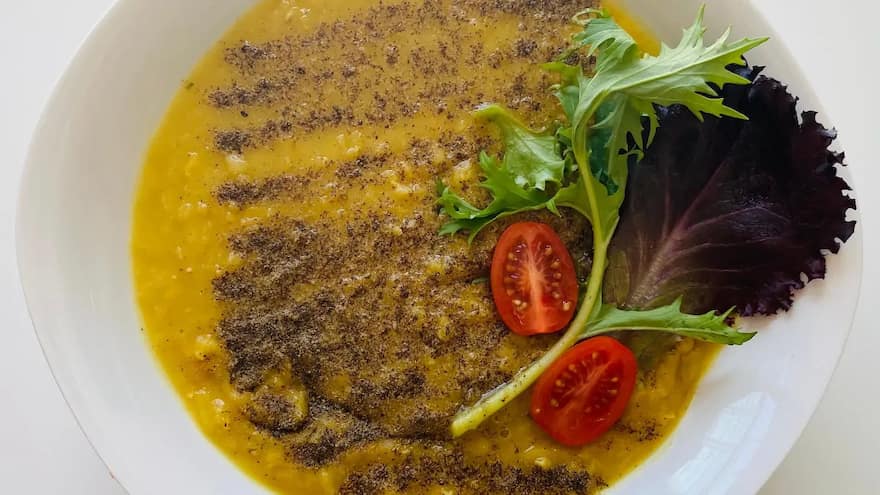
Image credit: Pexels
Turn Sprouts Curry Into A Home-Cooked Tiffin Staple
The government menu's sprouts curry is an easy one to recreate at home, especially according to your preferences. For instance, make a dry or semi-gravy usal with sprouted moong or matki, tomatoes, onions, and spices, and pack it with two rotis or a small portion of rice, along with some chilled curd. On another day, take a culinary detour, like sprouts chaat with cucumber, tomato, coriander, and lemon alongside a paneer or creamy egg sandwich. Healthy eating becomes much easier when the ingredients overlap with what is already in your kitchen, and remember to satiate your taste buds.
Let Bhakri, Roti And Rice Coexist
There is no need to suddenly replace every roti or rice portion. The Maharashtra menu itself offers several cereal choices, like jowar, bajra and ragi bhakri, multigrain chapati and hand-pounded or brown rice. So, for a weekday lunch, choose whichever grain fits your meal as well as your appetite. A bajra bhakri with dal and leafy sabzi, brown rice with rajma and cucumber raita, or two rotis with paneer bhurji and vegetables can all make sensible desk lunches, when paired in proper portions with the right accompaniments.
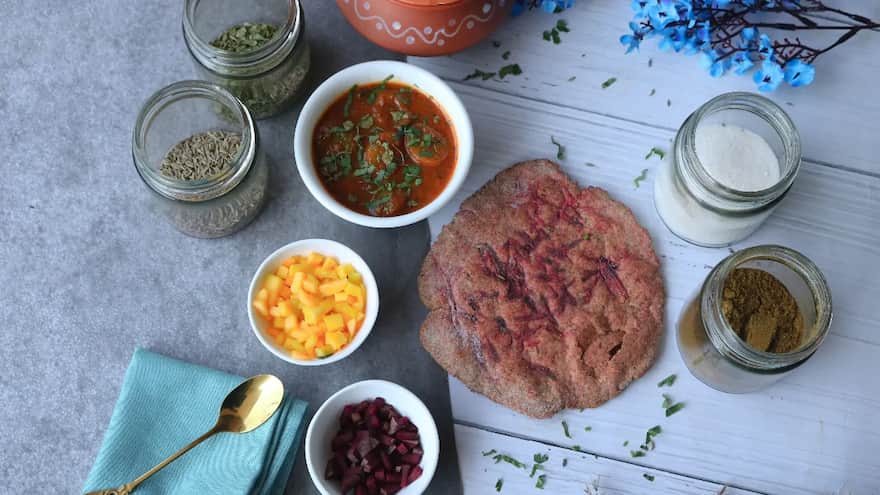
Image credit: Pexels
Pack The Fruit Before The Biscuit Arrives
This may be the most practical lesson from the new menu. Keep a banana, guava, apple, orange, or whatever fruit is in season (or is your favourite) ready to eat rather than wait for the afternoon slump to hit and turn to the office cookie jar for an irresistible yet unhealthy proposition.
Upgrade Your 4 PM Drink
You do not have to spend your afternoon sipping lukewarm green tea just because it sounds virtuous. Plain chaas, lemon water with little or no added sugar, tender coconut water, or just unsweetened tea can break up the monotony of plain water without turning the drink into a mini meal. The same logic applies at home. If your evening tea is non-negotiable, then keep the sugar modest and pay attention to what accompanies it. A handful of roasted chana or nuts is a very different proposition from making biscuits, namkeen, and fried snacks the unofficial fourth meal of your day.




