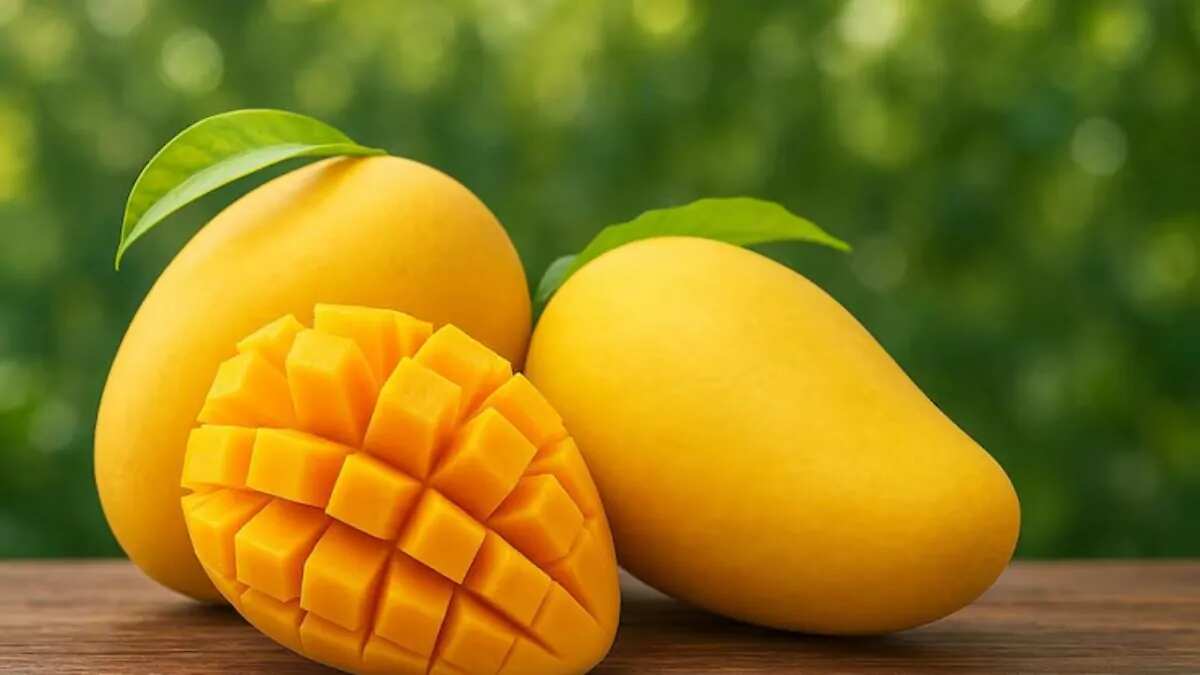
Summer in India is synonymous with mangoes. The moment temperatures begin to rise, the markets get flooded with yellow, green and golden shades with piles of different mango varieties. But in Uttar Pradesh, mangoes are not just treated as a seasonal fruit, but as a part of family memories, old orchards, local dignity and generations of farming practices. From roadside fruit shops to carefully packed boxes sent across cities, UP’s mangoes have built their own identity over decades.
That is also why Geographical Indication (GI) tags are so important. A GI tag officially acknowledges a particular fruit that has qualities deeply rooted in a specific region, climate and local farming heritage. In simple words, a GI tag protects the uniqueness of these mangoes rather than letting them become just another market variety.
Uttar Pradesh, also often called India’s mango belt, is home to some of the country’s most loved mango varieties, each having its own texture, sweetness, fragrance and also loyal fan following. Some are valued for their rich pulp, some for their aroma, and some because they instantly remind one of childhood summers that were spent eating mangoes directly from steel buckets that were filled with cold water.
Here are some of UP’s most well-known GI-recognised mango varieties that continue to represent Indian summers year after year.
Dasheri Mango, Malihabad
Dasheri is likely the mango most closely linked with Uttar Pradesh, particularly Malihabad, near Lucknow. Long, smooth and extremely fragrant, this mango is loved for its fibreless pulp and naturally balanced sweetness. Unlike too sharp mangoes, Dasheri tastes a bit mellow, creamy and also easy to eat without feeling too heavy.
Many people like to chill it before eating because the flavour becomes even softer and richer. It is commonly eaten fresh rather than turned into desserts because the pulp itself feels fulfilling enough. During extreme summer, whole households often wait particularly for the Dasheri season to officially start.
(Image credit: Freepik)
Langra Mango, Varanasi Region
Langra mango has one of the most loyal fan bases in India because of its very special flavour. The skin remains green even after turning ripe, which surprises those unfamiliar with the type. However, the pulp is intensely juicy, fragrant and a bit tangy alongside its sweetness. That sharp flavour, perfectly balanced, is exactly what makes the Langra unique.
Unlike the softer dessert-style mangoes, this one feels bold and refreshing, particularly during the extremely hot afternoons. It is often eaten by slicing and chilling rather than blended into shakes because its actual taste remains the biggest appeal.
Chausa Mango, Western UP
Chausa mangoes are renowned for one simple reason, i.e., juiciness. These mangoes become so soft and pulpy when it turns ripe that many people like squeezing and drinking the pulp directly instead of slicing them. The flavour feels extremely sweet, fragrant and almost honey-like without turning too acidic.
Chausa is extremely popular during the peak heat because it tastes incredibly refreshing when it is served cold. The texture feels soft, rich and also messy in the best way possible. Many also link Chausa with old-style summer afternoons when mango juice would drip down hands while eating them.
(Image credit: Freepik)
Lucknow Safeda
Lucknow Safeda is often valued for its lighter sweetness and also smooth consistency. When compared to stronger, sharper mango types, this one feels softer and more subtle in taste. The pulp remains smooth, creamy and also satisfying without too much fibre, making it a particularly popular choice for milkshakes, aamras and also chilled desserts.
The sweetness remains balanced rather than overwhelming. Its clean taste and elegant texture have made it a long-standing choice across households in Uttar Pradesh during summer gatherings.
Fazli Mango
Fazli mangoes instantly stand out because of their unusually large size. Despite being huge, they still manage to remain juicy and flavourful rather than just being bland. The pulp feels soft and less fibrous, whereas the flavour has gentle sweetness with a bit of a floral finish.
Fazli is often used for jams, desserts and mango pulp because a single fruit gives an ample amount of quantity. In many households, these mangoes are sliced and shared rather than eaten separately. Their size alone makes them feel nostalgic and festive during peak season.