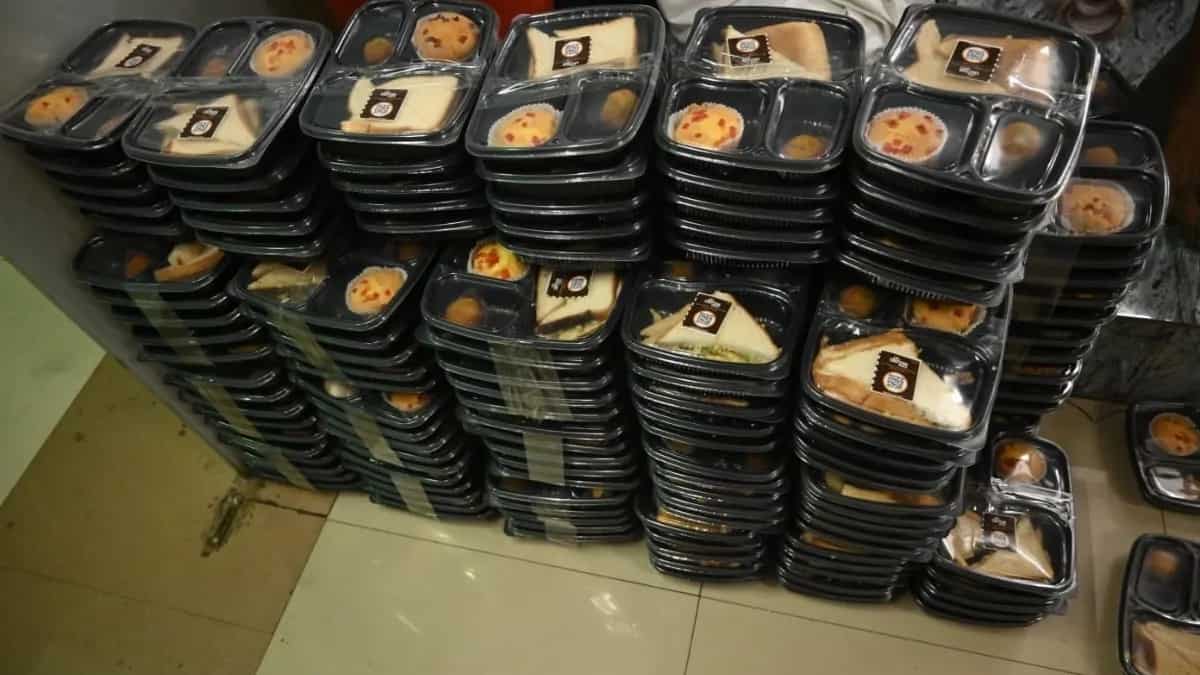
The year 2026 has brought with it an unprecedented challenge for the global energy sector. Following the escalation of conflict in West Asia and the resulting force majeure declarations from major gas processing facilities, the supply chains that fuel India’s massive food industry have been pushed to a breaking point. In March 2026, the Indian government was forced to issue the LPG Control Order, prioritising domestic households while capping commercial gas supplies at a staggering 20 percent of average monthly consumption. While this ensures that home fires keep burning, it has left the commercial and institutional food sector in a state of high alert. Eastern Staple, an institutional cloud kitchen that serves daily meals to over 2,000 people across hospitals, corporate cafeterias, and student housing, finds itself at the centre of this storm. For Susmita Chakravarty, the founder of Eastern Staple, the crisis is not a distant geopolitical abstraction but a daily logistical battle. The people her kitchen serves are not looking for a luxury dining experience; they are medical students, hospital staff, and corporate employees whose primary source of daily sustenance comes from these very meals.
Also read: LPG Gas Cylinder Shortage: How India’s Hospitality Sector Is Navigating The Impact Of War In Iran
The Operational Pivot To Fuel Efficiency
When the fuel supply became a volatile variable, the traditional Indian menu had to be dismantled. In any large scale kitchen, items like rotis, parathas, and tawa-based rolls are staples, yet they are notoriously fuel intensive. Each flatbread requires individual attention on a hot griddle, leading to hours of constant gas consumption. Under the new 20 percent supply cap, this model became unsustainable. Eastern Staple made the difficult decision to pause the production of all gas-heavy, tawa-based items entirely. Instead, the kitchen has shifted its focus to a menu of five to seven core dishes that prioritises speed and thermal efficiency. The shift is tactical: moving away from the slow, traditional "bhuna" method of cooking, which involves long periods of sautéing spices and vegetables to develop depth. Instead, the kitchen now leans heavily on pressure cooking and one-pot methods. By boiling or pressure cooking vegetables in bulk and then finishing them quickly in a large kadai, the team can save significant amounts of time and fuel without compromising on the nutritional value of the meal.
Image credit: Pexels
Necessity Food Versus Luxury Dining
The philosophy behind these changes is rooted in a deep understanding of the kitchen’s role as an essential service. Susmita Chakravarty is clear about the stakes involved in her daily operations. “We don’t supply luxury food, we supply necessity food. Every day, we cook for people who don’t really have the option to skip a meal, hospital staff in between long shifts, students living away from home. For them, this is not convenience, it’s routine sustenance. That’s why stopping isn’t a choice for us.”
For Susmita, the role of a founder during a crisis mirrors the resilience found in traditional Indian households, where resourcefulness is a prerequisite for survival. “As a woman founder, I often feel that running this kitchen is not very different from managing a household, just at a much larger scale. You learn to adapt quickly, stretch what you have, and rework menus overnight, while still making sure everyone is fed on time. But when you’re feeding over two thousand people a day, that resilience depends on something very basic. Reliable LPG supply isn’t just operational support, it’s what keeps the entire system running.”
Image credit: Eastern Staple
Engineering The One Pot Meal Revolution
The transition to one-pot meals like non-vegetarian khichdi has been a masterclass in culinary engineering. These dishes allow the kitchen to combine proteins, carbohydrates, and vegetables into a single cooking cycle. By adding ghee or non-vegetarian components, the team ensures the meals are filling and calorically dense enough to sustain people working in demanding environments. Even the iconic biryani, usually a result of the slow and fuel-heavy "dum" method, has been adapted into a quicker, tawa-style format to conserve energy. Another key strategy has been the standardisation of menus across all cafeterias. By serving the same dishes at every location, the kitchen can engage in massive bulk cooking, which is inherently more fuel efficient than preparing smaller, diverse batches. Basic pastes of onion, ginger, and garlic are prepared in one go, allowing for the rapid assembly of various gravies. This streamlined approach ensures that the 2,000 meals required daily are prepared within the narrow window of fuel availability.
Image credit: Pexels
The Human Ecosystem Of The Cloud Kitchen
Beyond the numbers and the logistics, there is a human side to the gas shortage that often goes unnoticed. The staff at Eastern Staple do not just work in the kitchen; many of them live on-site and rely on the same meal system they help operate. When the menu is scaled down, it affects the providers as much as the consumers. This shared reality creates a unique sense of urgency and community within the kitchen walls. The crisis has also forced a rethink of simple substitutions. For example, the kitchen has replaced gas-intensive preparations like egg toast with boiled eggs and bread. This ensures that the hospital staff and students still receive their necessary protein intake without the kitchen having to run multiple burners for extended periods. It is a game of marginal gains where every minute of saved gas translates into another plate of food for someone in need.
A Call For Infrastructure Resilience
The current situation in Kolkata serves as a stark reminder of how dependent our urban food systems are on a single fuel source. While Eastern Staple has shown remarkable adaptability, the underlying issue remains: large scale food production for essential sectors like healthcare and education requires a stable energy infrastructure. The 2026 shortage has highlighted the vulnerability of these hidden support systems that keep our cities functioning. As the global energy market remains in flux, the lessons learned in the kitchens of Eastern Staple will likely become the blueprint for institutional catering in an era of scarcity. The ability to pivot from complex, multi-course menus to high-efficiency, one-pot meals is no longer just an innovative choice; it is a necessity for survival. For the thousands of people who rely on Eastern Staple for their daily sustenance, the success of these adaptations is the difference between a productive day and an empty stomach.