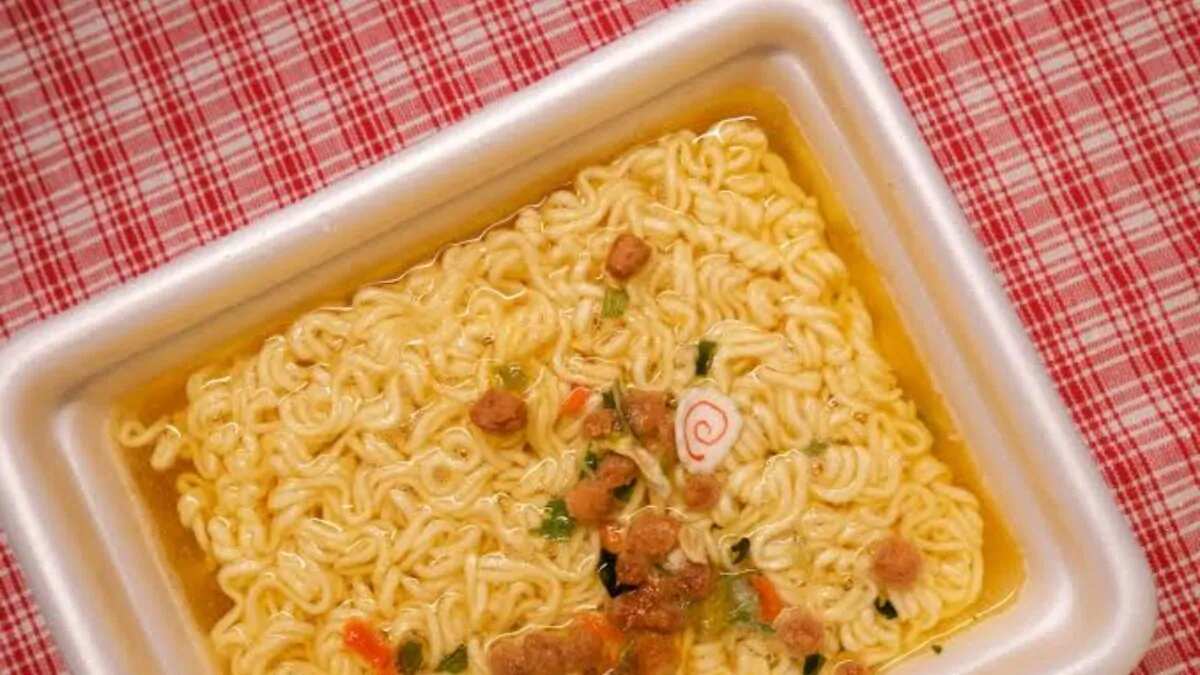
Instant noodles often enter weekday cooking plans because they deliver quick results and adapt easily to different flavour profiles, which makes them useful for winter lunchboxes when parents look for warm meals that hold their shape through long school hours. Many kitchens now use infrared cooktops for everyday tasks, and the Usha infrared cooktop has encouraged a shift towards compact appliances that offer controlled heat without sudden temperature changes. This form of heat management supports the gentle simmering needed for vegetable mixtures, mild sauces and fusion-style seasonings that sit comfortably on noodles. Parents frequently search for ways to introduce more substance to these meals without increasing complexity, and vegetables, light masalas or diluted pastes can achieve this balance. An insulated container preserves warmth effectively during winter, so noodle preparations that avoid excess moisture tend to perform well. A few thoughtful adjustments to common pantry ingredients can transform basic packets into dependable lunchbox meals that maintain cohesion, avoid sogginess and provide enough energy for children through the afternoon. This encourages experimentation within reasonable limits and allows noodle-based meals to remain approachable.
1. Masala Vegetable Noodles
A vegetable-forward noodle preparation can taste fuller when paired with a simple tomato masala. Finely chopped carrots, beans, cabbage and spring onions can be sautéed in warm oil on the infrared cooktop. The steady heat helps the vegetables soften gradually. Tomato purée can be added to the pan, followed by turmeric, a trace of red chilli powder and coriander powder. The tomato cooks into a light masala that clings to the vegetables without creating loose liquid. Once the masala thickens slightly, the cooked and drained noodles can be folded into the mixture. The strands absorb the tomato base evenly, and the vegetables keep their shape through the day. This preparation stays cohesive inside a lunchbox and offers a warm flavour that suits winter mornings.
Image credit: Pexels
2. Corn And Peas Noodles With Light Seasoning
Corn and peas bring natural sweetness that appeals to children, especially during winter when warm food feels more satisfying. Frozen corn and peas are practical because they soften quickly and require little handling. A spoon of butter can be warmed in a pan, and the vegetables can be stirred through it until they glisten. Tomato purée can be added at this stage to create a light coating. A pinch of turmeric and cumin powder helps the sauce settle into a thin layer. Once the noodles are cooked and drained, they can be folded into the mixture until the strands pick up the colour and aroma. The preparation holds well inside insulated containers because the corn and peas add structure without releasing additional moisture.
Image credit: Freepik
3. Light Chinese-Style Noodles With Everyday Ingredients
A Chinese-inspired option can be assembled with ingredients that remain easy to source. Finely chopped garlic and spring onions can be warmed in oil on the infrared cooktop. The heat helps them release aroma without browning. A small quantity of soy sauce can be mixed with warm water to form a gentle base. A few drops of vinegar can be added for a faint sharpness. Julienned carrots and capsicum can be added to the pan and stirred until they soften slightly. The diluted soy mixture can then be poured in, and the cooked noodles can be folded through once the sauce reduces a little. This preparation stays light and steady inside the lunchbox and introduces a familiar street-style element without relying on intense seasoning blends.
Image credit: Freepik
4. White Sauce Noodles With A Lighter Twist
A mild white sauce can create a creamy noodle preparation that echoes mac and cheese, though with a lighter approach for school meals. A small quantity of whole wheat flour can be warmed in oil to form a pale roux. The steady heat from the infrared cooktop helps the flour cook evenly. Warm milk can be poured in gradually while whisking, which allows the sauce to thicken without forming lumps. A limited amount of cheese can be added to bring flavour, and grated carrot can be folded in to introduce a soft sweetness. Once the sauce reaches a smooth consistency, the cooked noodles can be stirred through it. The sauce clings well to the strands and remains stable in an insulated container during winter hours.
Image credit: Pexels
5. Mild Korean-Inspired Noodles For A Simple Fusion Option
Parents who enjoy adding small global elements often choose diluted spice pastes that remain gentle enough for children. A small portion of gochujang can be mixed with warm water to create a thin, mild base. A small amount of soy sauce and a pinch of jaggery can be added to temper the heat. Spring onions can be stirred in warm oil on the infrared cooktop until they soften. The diluted gochujang mixture can then be added, and the sauce thickens slightly as it simmers. The cooked noodles can be folded into this mixture until the strands are evenly coated. This preparation stays glossy and stable inside a lunchbox and introduces a new flavour without creating intensity that children may find difficult.