


 Share
Share

Infrared cooktops have begun to anchor many Indian kitchens because the surface warms in a dependable and even manner, which allows the cook to guide heat with clarity. This steady behaviour helps when preparing shaped snacks that depend on slow, even cooking and patient handling. Parents often look for simple kitchen activities that children can join without feeling overwhelmed, and shaped snacks work well here because each idea can be managed in small portions that feel approachable. Infrared cooktop models from Usha assist this process because the design encourages stable heat across the full base of the pan, which allows doughs, batters and mixtures to set in tidy shapes. Children can press cutters, place moulds or decorate small pieces, and these small gestures can turn everyday snacks into gentle, fun experiences that still fit into regular routines.
Shaped Sandwich Pockets With Pressed Cutters
Soft sandwich bread can be turned into shaped pockets by using firm cutters that seal the edges as they press through the slices. A simple filling made with mashed vegetables, grated cheese or a light paneer mixture settles well inside the bread without leaking. The cook can press the cutter after placing a small spoon of filling between two slices, which creates a neat sealed form that holds together during light toasting on an infrared cooktop. The steady heat encourages the outer surface to turn crisp without causing the filling to escape. Children enjoy these shapes because each pocket feels manageable to hold and often carries a small surprise inside. This method suits school mornings or quick evening snacks because the pockets toast quickly and remain tidy when packed.

Image credit: Pexels
Fruit And Millet Mini Pancakes
Mini pancakes made with a millet batter can turn into gentle shapes with the help of stencils or small moulds. A mixture of finger millet or little millet with mashed banana or stewed apple produces a batter that settles slowly and holds its outline. The even warmth of an infrared cooktop encourages the batter to cook steadily, and the shapes develop without harsh edges. Spoon the batter carefully into the stencil so that the outlines remain clear. Once the pancakes release from the pan, they can be served plain or with a small drizzle of honey for older children. Parents appreciate this option because it supports the use of seasonal fruits while keeping the preparation simple.

Image credit: Pexels
If you don’t have Usha’s Infrared Cooktop, Shop Now  .
.
Shaped Vegetable Patties With Moulds
Vegetable patties that use grated carrots, potatoes or beetroot can hold their form when pressed into silicone or steel moulds that withstand heat. A mixture that includes a small amount of semolina or flattened rice can create a cohesive texture that does not break during cooking. Shaped patties often cook evenly on an infrared surface because the heat travels across the base in a uniform pattern. The cook should grease the moulds lightly, press the mixture until compact, and place them carefully on a preheated pan. The patties release cleanly once the edges firm up. Children usually enjoy choosing shapes like stars or simple animals, which can encourage them to help with pressing the mixture. These patties can work well in lunch boxes because the form remains intact and the flavours remain steady at room temperature.
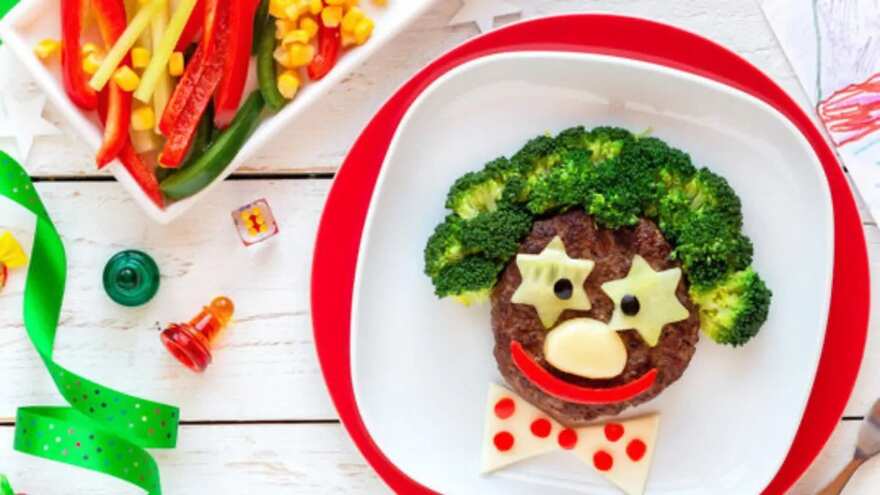
Image credit: Adobe Stock
Multi-Grain Cookie Shapes With Light Pan-Baking
A multi-grain cookie dough made with whole wheat flour, rolled oats, ground nuts and a touch of jaggery can be shaped on a warm pan over an infrared cooktop. The mixture should be firm enough to roll but soft enough to press into cutters. Lightly greasing the pan helps the cookies settle without sticking as the base warms. Infrared heat supports slow setting, which allows the shapes to hold their outlines without spreading. The cook can form circles, stars or simple animal shapes using cutters, then place them on the warm pan so the lower surface begins to firm up. Once the base sets, the cookies can be flipped gently for a brief moment to finish cooking. These cookies develop a pleasant crunch at the edges while staying tender inside. Children enjoy pressing the dough into shapes, and the grain mix adds texture without requiring complex equipment. The method suits after-school treats or gentle weekend cooking sessions.

Image credit: Pexels
Shaped Rice Bites With Pressed Layers
Rice bites that use short-grain rice can be shaped by pressing warm cooked rice into small moulds lined with a thin layer of oil. The rice should be mixed with finely chopped vegetables or a spoon of grated cheese to encourage cohesion. The moulds help create tidy forms that can be lifted once the rice cools slightly. These rice bites can be pan-toasted on an infrared cooktop, which helps the outer layer firm up and develop a slight crust. The low and steady heat prevents the rice from drying out. The cook can also layer a thin sheet of nori or a small slice of cooked egg inside the mould for variation. These bites can serve as light snacks or part of a weekend activity where children enjoy pressing the rice into shapes. The method supports creativity because each mould can hold different add-ins.




