At the inauguration of the Pampa Literature Festival in Chengannur, attendees might have reasonably anticipated a speech touching upon the power of the written word, the state of contemporary fiction, or perhaps a poetic reflection on Kerala’s rich literary history. Instead, Chief Minister V.D. Satheesan chose to serve a dish of unexpected domestic guidance. While emphasising that “everything traditional, including art, should be preserved,” Mr. Satheesan pivoted seamlessly from cultural heritage to kitchen policy: “The previous generations passed on their traditional methods to us. But today, no one passes it on to the next generation. Some mothers make special dishes with their own recipes. I often complain to some of them that they do not teach their children how to make them. They should pass on the method to their children or their daughter-in-law." And just like that, a literature festival became the backdrop for administrative guidance on spice preservation and the expectations placed on the incoming marumagal (daughter-in-law).
The Great Culinary Vault
There is something undeniably romantic about traditional recipes, such as the closely guarded secret ingredient in a grandmother’s fish curry or the exact timing required to roast mustard seeds to perfection. But in public discourse, these culinary treasures sometimes seem to face an existential threat. The culprit? Mothers who fail to hand over their secret blueprints to their daughters-in-law before time runs out. Notice the intriguing mechanics of this proposed cultural preservation system. The secret recipe is not envisioned as an open-source family heirloom to be uploaded to a shared cloud, or even routinely taught to the son. It is framed primarily as an exclusive, gender-coded handoff: from the reigning matriarch of the kitchen to her designated successor, the daughter-in-law.
Why the son is often overlooked in this sacred culinary lineage remains a curious blind spot. Does knowing the exact ratio of coconut to tamarind require a specific set of skills only women possess? While men routinely lead governments, manage districts, and debate state finances, decoding a family sambar recipe is somehow treated as outside their usual domain.
Image credit: Pexels
Also read: Kerala Vanilla Explained: Why This Artisanal Ingredient Tastes Better Than Bottled Vanilla Essence
The Apprentice In The Apron
For decades, social commentators have discussed the complex dynamics of entering a new household after marriage. It turns out that in traditional political wisdom, marriage can sometimes sound less like starting a life partnership and more like enrolling in a mandatory course at a regional spice institute. Under this framework, a daughter-in-law is gently positioned as the designated custodian of the family palate. Should the familiar flavour profile of the house stew disappear, the responsibility seems to fall squarely on the women who missed their kitchen handover between wedding rituals.
Critics were quick to point out the glaring contrast between this line of thought and recent social progress in the state. As former General Education Minister V. Sivankutty noted, Kerala’s school textbooks have been purposefully updated to depict boys sweeping floors, washing dishes, and cooking meals alongside girls, explicitly challenging age-old domestic stereotypes. Yet, while the school curriculum moves forward into the 21st century, public rhetoric occasionally leans back into older, more traditional expectations. Writer S. Saradakutty remarked wryly that the chief minister’s thoughts on the matter had “advanced only this much”, a polite way of observing that while Kerala prides itself on progressive social indicators, the kitchen is still heavily viewed through the lens of traditional gender roles.
Image credit: Pexels
Nostalgia’s Invisible Labour
Nostalgia for traditional methods often comes with a tendency to gloss over who actually performed the work. When previous generations passed on their methods, it was usually because women spent long hours grinding spices on stone slabs in unventilated rooms while the menfolk discussed politics and literature on the front veranda. To romanticise that transmission without acknowledging the labour behind it tells only half the story. Preserving culinary heritage is a wonderful goal, but treating women as the default archive of domestic chores places the responsibility heavily on just one half of the population.
If Kerala's rich gastronomic history is truly under threat of extinction, perhaps the solution isn't issuing unsolicited advice to mothers-in-law. Perhaps the solution is far simpler:
1. Teach the sons. If a recipe is truly a masterpiece, why leave its survival to chance? Teach the groom how to cook it.
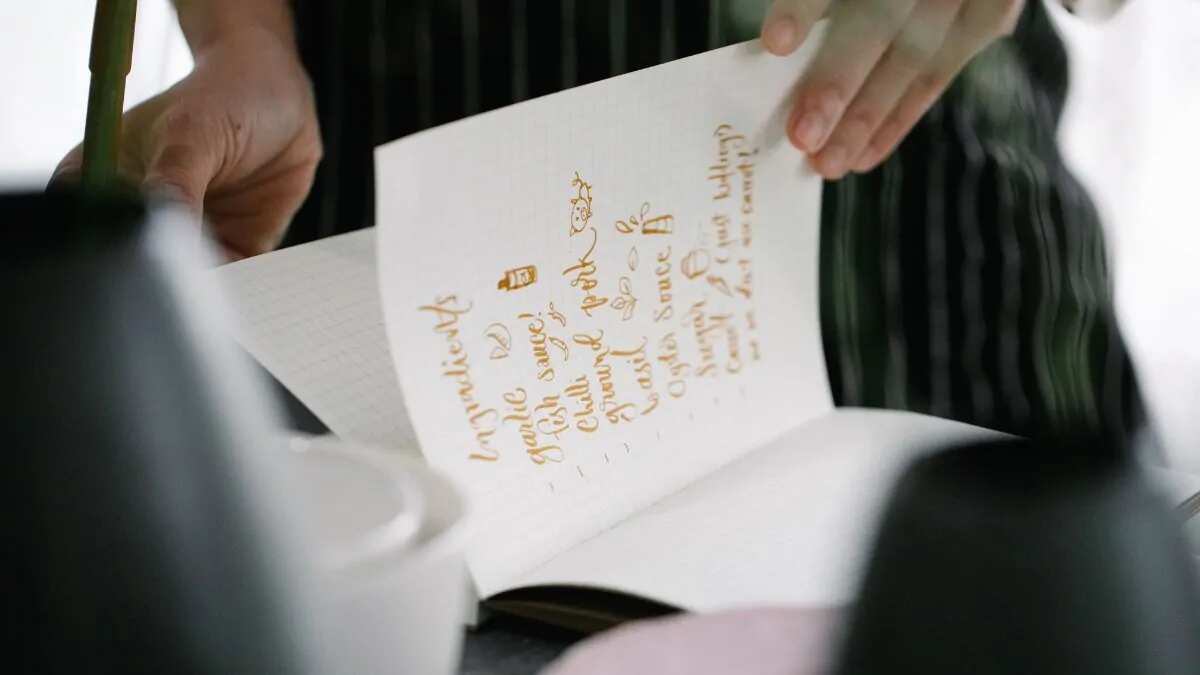
2. Write it down. We invented the printing press in 1440 and the internet a few centuries later. A simple notebook or a smartphone memo app eliminates the need for last-minute transmissions of secret masala ratios.
3. Share the kitchen. Cooking is a basic survival skill, not a gender-specific talent bestowed upon women at birth.
Image credit: Pexels
A Recipe For The Future
Public figures often fall into the trap of using warm, nostalgic homilies to connect with audiences. Telling mothers to pass their secret recipes to their daughters-in-law undoubtedly sounded like a harmless, endearing observation about family bonds. But words carry weight, especially when delivered from high office at cultural forums. The next time a state leader feels the urge to address the nation’s culinary conservation efforts, perhaps the advice could be slightly modified: “Mothers, teach your sons how to cook. Daughters-in-law, order takeout if you're tired. And everyone else, feel free to pick up a ladle regardless of gender.” The gas stove does not discriminate based on marital status or gender, and a well-made curry tastes just as good whether cooked by a daughter-in-law, a son, or a Chief Minister taking a weekend off to practice what he preaches.