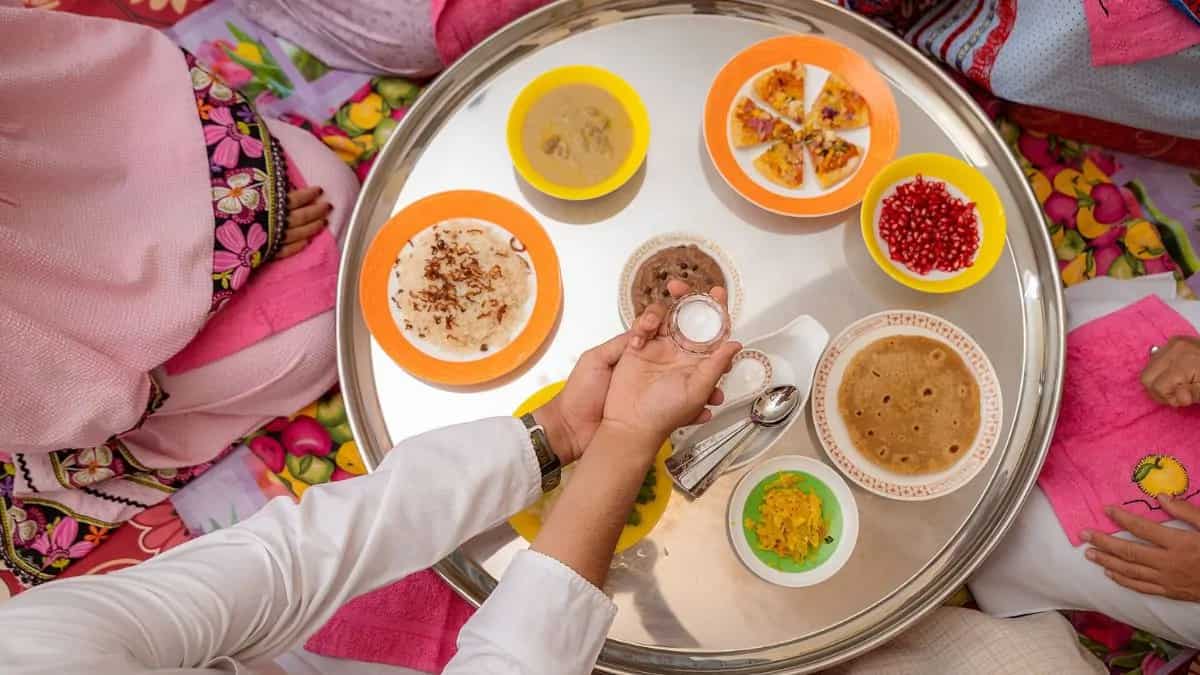
Food in India is a landscape of endless variety, yet the culinary traditions of the Dawoodi Bohra community stand out as a truly unique confluence of history, faith and flavour. Tracing their origins to Yemen, this sect of Shia Muslims eventually migrated across the Arabian Sea to the western coast of the subcontinent. They brought with them a rich tapestry of Middle Eastern and North African influences. Over the centuries, these ancient culinary practices blended seamlessly with regional vegetarian and non vegetarian cooking styles. The result is a vibrant food culture that remains relatively hidden from the mainstream but is deeply cherished by those who experience it. For the Bohras, cooking and eating are not merely daily chores. They are profound acts of devotion and community building. Their kitchens serve as living museums where historical trade routes and ancient spice blends are kept alive every single day.
Image credit: The Dawoodi Bohras
Tracing The Migration Route From Yemeni Traditions To Gujarati Ingredients
The story of Dawoodi Bohra food is essentially a story of travel and adaptation. When the early leaders of the community arrived on the western coast, they found a landscape abundant in local spices, vegetables and varied cooking techniques. They retained their ancestral penchant for slow cooked meats and aromatic spices from the Arabian Peninsula. At the same time, they eagerly adopted the local agricultural produce. This geographical shift meant that ingredients like jaggery, coconut and indigenous lentils became everyday staples alongside Middle Eastern favourites like dates and slow roasted lamb.
The evolution of their food reflects a beautiful marriage between their Islamic heritage and their new environment. Over generations, these recipes were passed down orally from mothers to daughters. These recipes were heavily guarded and cherished to maintain their authenticity. Today, members of the community preserve these historical recipes with immense pride. Their kitchens are a fragrant blend of saffron, cardamom and robust red chillies. They perfectly showcase the best of multiple worlds, creating a flavour profile that is complex, deeply savoury and often subtly sweet.
Image credit: Indpaedia
The Sacred Significance Of The Communal Thaal In Bohra Dining Etiquette
To understand this cuisine, one must first understand the thaal. This large metal platter is the absolute centrepiece of Bohra dining. It symbolises equality, humility and familial bonding. Typically seating eight to fourteen people, the thaal dictates that everyone eats from the same dish. The platter is placed on a raised platform known as a kundli to make eating comfortable for everyone seated on the floor. This practice enforces a sense of togetherness that goes beyond simple nourishment. It actively breaks down barriers of age and social standing. Before any food is served, diners participate in a mandatory hand washing ritual. This involves a chelamchi, which is a traditional metal basin and jug passed around the group by the host. Everyone must cover their heads out of respect for the food. Men wear their intricately woven white caps and women don vibrant, uniquely patterned ridas. Once seated, the meal begins with a single pinch of salt. Tasting salt before the meal is a practice believed to clear the palate and ward off illnesses. It sets a mindful, spiritual tone for the feast ahead. The exact same ritual of tasting salt is repeated at the very end to express gratitude for the sustenance provided.
Image credit: Bohra Rasoi
Another unshakeable rule of the thaal is the strict zero waste policy. Diners are encouraged to take only what they can easily consume. This strict rule ensures that not a single grain of rice or shred of meat is left behind. This mindful approach to consumption feels incredibly relevant in the modern world but has been a cornerstone of their dining etiquette for generations.
A Surprising Culinary Sequence Where Sweet Dishes Precede Savoury Starters
Perhaps the most delightful surprise for anyone new to this style of eating is the specific sequence in which food is served. Unlike most global traditions where sweets mark the end of a meal, Bohras believe in starting on a sweet note. The dessert, known as mithaas, always arrives first. This could be a creamy hand churned sancha ice cream, a process deeply respected for its authenticity because no ice is used in the traditional preparation method. Alternatively, the mithaas might be a rich bottle gourd halwa or sodannu, a celebratory dish of boiled rice mixed with generous amounts of ghee and sugar. Serving dessert first is considered highly auspicious. It instantly sets a joyous mood for the gathering.
Following the mithaas comes the kharaas, which constitutes the savoury starters. These are usually robust, deeply flavoured meat dishes designed to awaken the palate. Favourites include mutton samosas, crumb coated minced meat cutlets or slow cooked kebabs. It is only after these initial courses have been thoroughly enjoyed that the main course, or jaman, makes its appearance. This distinctive sequencing creates a beautiful contrast of flavours and textures. It keeps the palate constantly engaged and eager for the next bite, ensuring that the meal is a dynamic experience from start to finish.
Image credit: Wikimedia Commons
Exploring The Most Iconic And Deeply Comforting Traditional Bohra Recipes
The repertoire of Bohra recipes is vast and meticulously documented through generations of passionate home cooks. Certain dishes hold a special place in the hearts of the community and are prepared with immense care. Dal chawal palidu is arguably the most iconic amongst them. Traditionally prepared for joyous occasions, this comforting dish features a base of perfectly cooked rice and pigeon pea lentils. It is served alongside a robust gravy made from gram flour, drumsticks and bottle gourd. The lentils are tempered with fragrant curry leaves, cumin and crisp fried onions. This creates a vegetarian masterpiece that easily rivals any rich meat dish. Often, a cold soup called sarki made from lentil water, chopped spring onions and crushed wheat is served alongside to perfectly balance the rich flavours.
For non vegetarians, khichda is a monumental undertaking of culinary devotion. Prepared specially during the month of Muharram to signify abundance, it involves slow cooking whole wheat, various pulses and tender meat until they meld into a cohesive, deeply savoury porridge. The dish requires hours of continuous stirring and pounding over a low flame. This rigorous process results in a thick, semi liquid consistency that is immensely comforting. It is then generously garnished with caramelised onions, fresh mint leaves, sizzling hot clarified butter and a sharp squeeze of fresh lime juice.
Image credit: Wikimedia Commons
Another beloved staple is the kari chawal. This is a highly fragrant curry cooked with a special homemade spice blend, creamy coconut milk and succulent pieces of chicken or mutton. This rich curry is typically ladled over a bed of steaming white rice or eaten with thin tandoori rotis. For breakfast, the community heavily favours hearty, energy dense foods like paya naan. This is a rich bone marrow and trotter soup served with freshly baked fluffy bread, setting them up perfectly for the day ahead. Sweets like malida showcase their undeniable love for rich, heavy desserts. Malida is made by crushing fried whole wheat dumplings and slow cooking them with jaggery and ghee, finally garnished with abundant almonds and pistachios.
The Role Of Food Security And Philanthropy In Modern Community Life
In recent years, the community has taken their deep love for feeding people a step further by officially institutionalising it. A global initiative known as Faiz al Mawaid al Burhaniyah establishes dedicated community kitchens to ensure that every Bohra household receives at least one nutritious, home cooked meal daily. This massive undertaking not only ensures vital food security within the community but also rigorously standardises the recipes. This standardisation ensures that the traditional flavours and exact spice ratios are perfectly preserved for the next generation. The daily tiffin delivery system operates with incredible precision and scale across the globe. It beautifully encapsulates the core philosophy of their culture where food is a supreme blessing meant to be shared generously with everyone.
Image credit: Wikimedia Commons
Through their unique eating habits and meticulously preserved recipes, the Dawoodi Bohras offer a brilliant masterclass in culinary heritage. Their food is a powerful testament to the fact that a meal is never just about eating. It is about preserving history, showing respect, fostering togetherness and hosting a daily celebration of life itself.