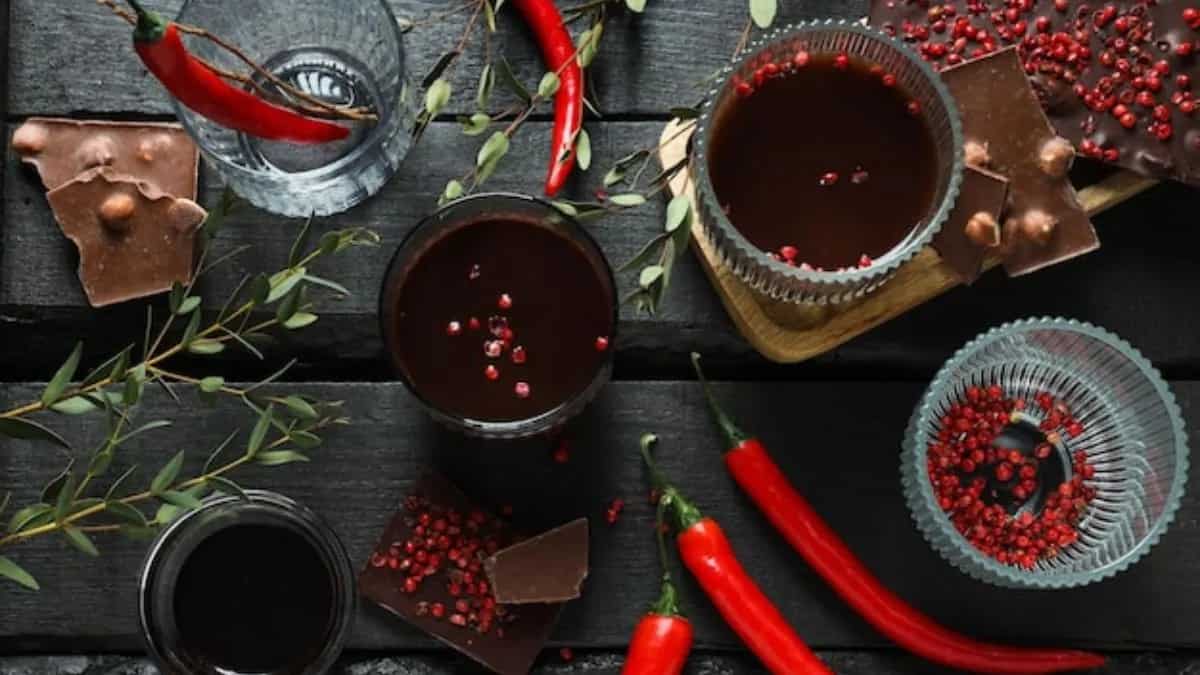
When the world celebrates Chocolate Day, the mind often drifts toward velvet truffles, shimmering foil wrappers, and the comforting sweetness of milk chocolate. However, to truly honour the spirit of this day, one must travel back several millennia to the humid rainforests of Mesoamerica. Long before the industrial revolution transformed cacao into a solid confection, it was a liquid treasure. It was not a dessert, but a potent, frothy, and intensely bitter brew known as xocoatl. This drink was the lifeblood of the Maya and later the Aztec civilisations, serving as a divine elixir that bridged the gap between the mortal and the spiritual.
The Divine Origin Of The Bean
The botanical name for the cacao tree is Theobroma cacao, which translates literally to food of the gods. For the Maya people, who thrived in parts of modern day Mexico, Belize, Guatemala, and Honduras, this was not a poetic exaggeration. They believed that the cacao tree was a gift from the gods, specifically the feathered serpent deity Kukulkan. In Mayan mythology, cacao was discovered by the gods in a mountain of abundance and shared with humanity to provide strength and wisdom.
Unlike modern agriculture, where cacao is a commodity, the Maya viewed it as a form of currency. The beans were so valuable that they were used to trade for everything from livestock to clothing. To drink xocoatl was, quite literally, to consume wealth. Because of this immense value, the beverage was largely reserved for the upper echelons of society. Kings, priests, and distinguished warriors were the primary consumers, using the drink to mark significant life events such as weddings, funeral rites, and diplomatic summits.
Image credit: Freepik
The Elixir Of Vitality And Passion
The reputation of xocoatl extended far beyond its taste. It was revered as a powerful medicinal tool and an aphrodisiac. Mayan elites believed that the drink could cure fatigue, reduce fever, and sharpen the mind before battle. The chemical complexity of cacao, which contains stimulants like theobromine and caffeine, certainly supported these claims. It provided a sustained energy boost without the jittery crash associated with modern stimulants.
The association with passion was equally strong. History suggests that the Aztec emperor Montezuma II would consume dozens of cups of frothy cacao before visiting his harem, believing it granted him unparalleled stamina. While the Spanish conquistadors may have embellished some of these accounts, the core belief remained: cacao was a substance that enhanced the human condition, making it a fitting choice for those who held power over the earth.
Image credit: Freepik
Crafting The Ancient Brew
The preparation of xocoatl was a laborious and ritualistic process. It began with the harvest of the large, colourful pods that grow directly from the trunk of the cacao tree. Once opened, the beans were found nestled in a sweet, white pulp. These beans were fermented for several days, a crucial step that developed the deep, complex flavours we associate with chocolate today. After fermentation, the beans were dried under the tropical sun, roasted over an open fire, and painstakingly ground by hand using a stone tool called a metate.
The resulting paste was combined with water, but never milk. The Maya did not have domesticated dairy animals, so their version of chocolate was strictly vegan and water based. To this base, they added a variety of local ingredients that would shock a modern palate accustomed to sugar. Chillies were a staple addition, providing a sharp heat that complemented the natural bitterness of the cacao. Vanilla, wild honey, and fragrant flowers were often mixed in to create a complex aromatic profile.
One of the most essential components was maize. Finely ground cornmeal was added to thicken the drink and provide sustenance. The most prized feature of a perfect cup of xocoatl, however, was the foam. The Maya and Aztecs believed that the spirit of the drink resided in its froth. To achieve this, the liquid was poured back and forth between two vessels held at a great height. This aeration created a thick, velvety head of bubbles that was considered the most delicious and spiritually significant part of the experience.
Image credit: Freepik
Authentic Mayan Xocoatl Recipe
If you wish to celebrate Chocolate Day by connecting with its ancient roots, you can recreate a version of this storied elixir in your own kitchen. This recipe moves away from the sugary powders of today and focuses on the bold, earthy flavours of the past.
Ingredients
• 500 millilitres of water
• 60 grams of high quality dark chocolate (at least 85 percent cacao or pure cacao paste)
• One dried ancho or guajillo chilli, or a half teaspoon of cayenne pepper
• One vanilla bean, split and scraped
• One teaspoon of ground cinnamon
• A pinch of sea salt
• One tablespoon of honey or agave nectar (optional, for a slightly softer edge)
• Two tablespoons of fine cornmeal or masa harina (for authentic texture)
Image credit: Freepik
Preparation Method
1. Begin by heating the water in a heavy bottomed saucepan over medium heat. You want the water to reach a gentle simmer but never a rolling boil, as excessive heat can scorch the delicate cacao solids.
2. Add the chilli to the water. If you are using a whole dried chilli, let it steep for several minutes to release its oils and warmth, then remove it before adding the other ingredients. If using powder, simply whisk it in.
3. Gradually whisk in the cornmeal. This acts as a thickening agent, giving the drink the substantial body that the ancient Maya enjoyed. Continue to stir until the mixture is smooth and slightly thickened.
4. Add the cacao paste or finely chopped dark chocolate. Use a whisk to stir constantly until the chocolate is completely melted and integrated into the water.
5. Stir in the vanilla seeds, cinnamon, and sea salt. The salt is vital as it acts as a flavour enhancer, cutting through the bitterness and highlighting the fruity notes of the cacao.
6. If the brew is too intense for your palate, add the honey or agave at this stage. Remember that the original drink was meant to be bitter and bracing.
7. The final and most important step is creating the foam. If you want to be traditional, pour the mixture from one jug to another from a height of about thirty centimetres. Alternatively, use a handheld milk frother or a whisk to create a thick layer of bubbles on the surface.
8. Serve the drink warm in small ceramic mugs. Savour the heat of the chilli and the depth of the cacao, imagining yourself in the heart of a Mayan temple.
Image credit: Freepik
Honouring The Roots Of Cacao
Today, cacao has been democratised, becoming a staple of global commerce and a universal symbol of indulgence. Yet, there is a profound beauty in stripping away the sugar and the milk to reveal the raw power of the bean. By exploring the history of xocoatl, we acknowledge the ingenuity of the indigenous peoples of Central and South America who first mastered the complex science of chocolate production.
Image credit: Freepik
This Chocolate Day, let the spicy heat of a Mayan brew remind you that chocolate was once a drink of warriors and gods. It was a substance that demanded respect and offered a sensory experience far more complex than a simple sugar rush. Whether you enjoy it for its history, its purported health benefits, or its unique flavour profile, xocoatl remains the true ancestor of every chocolate bar on the planet.