


 Share
Share

The connection between food and romance is as old as civilisation itself. As we approach Valentines 2026, the search for the perfect way to express affection often leads us back to the dinner table. While modern science debates the physiological effects of certain ingredients, history is unequivocal. For thousands of years, cultures across the globe have turned to specific foods to spark desire, ensure fertility, and celebrate union. From the banquet halls of Aztec emperors to the wedding chambers of India, the menu of love has been carefully curated by centuries of folklore and tradition.
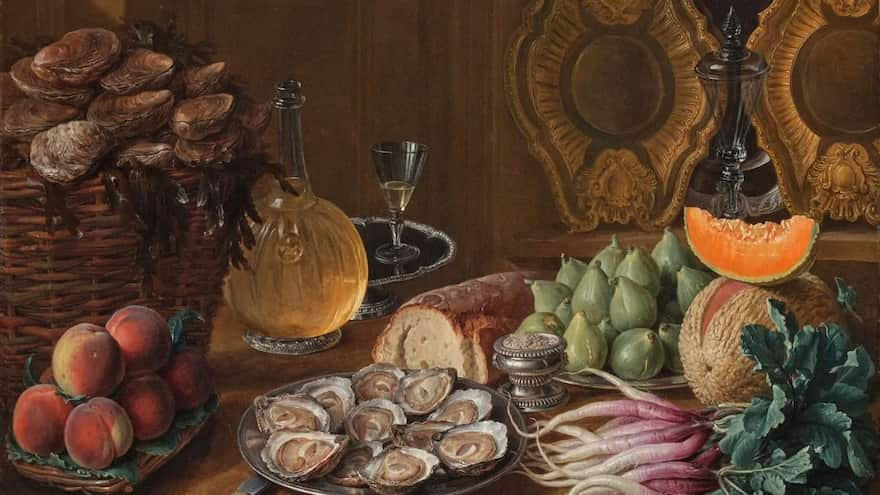
Image credit: Wikimedia Commons
The Greek Origins And The Ocean’s Gift
The very word aphrodisiac traces its lineage to Aphrodite, the Greek goddess of love. Legend dictates that she emerged from the sea foam, creating an eternal link between seafood and sexuality. Oysters sit at the pinnacle of this category. Their reputation was cemented by the Roman empire, where they were consumed in vast quantities by the elite. The most famous lover in history, Casanova, reportedly ate fifty oysters for breakfast to maintain his legendary stamina. While the texture and scent of oysters evoke the sea and primal life, there is a nutritional basis to this belief. Oysters are incredibly rich in zinc, a mineral essential for the production of testosterone. In a modern context, they remain a luxury item, synonymous with special occasions. However, their history is one of abundance and coastal sustenance before they became the preserve of fine dining.
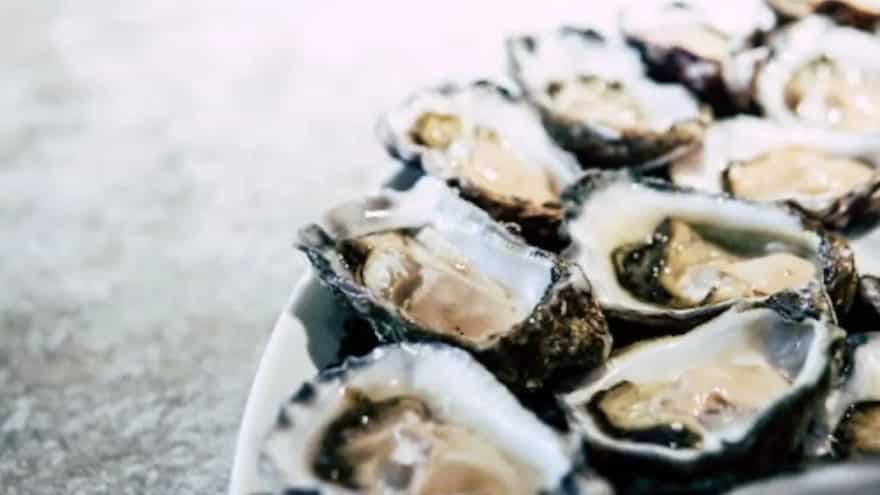
Image credit: Pexels
The Sweet Nectar Of Union
Honey holds a unique position in the pantheon of romantic foods. Its significance predates almost all other sweeteners. In medieval Europe, it was customary for a newlywed couple to drink mead, a fermented honey wine, for one full moon cycle after their wedding. This practice gave us the term honeymoon. The goal was to ensure fertility and happiness in the early days of marriage. In India, the cultural roots of honey run even deeper. Ayurveda, the ancient Indian system of medicine, classifies honey or Madhu as a vital food that carries the properties of plants to the deeper tissues of the body. It is considered a Yogavahi, a catalyst that enhances the properties of other medicines. In Hindu wedding ceremonies, honey is often one of the first foods offered to the groom, symbolising a sweet beginning. It represents the essence of life and the sweetness of speech and temperament required for a harmonious union.
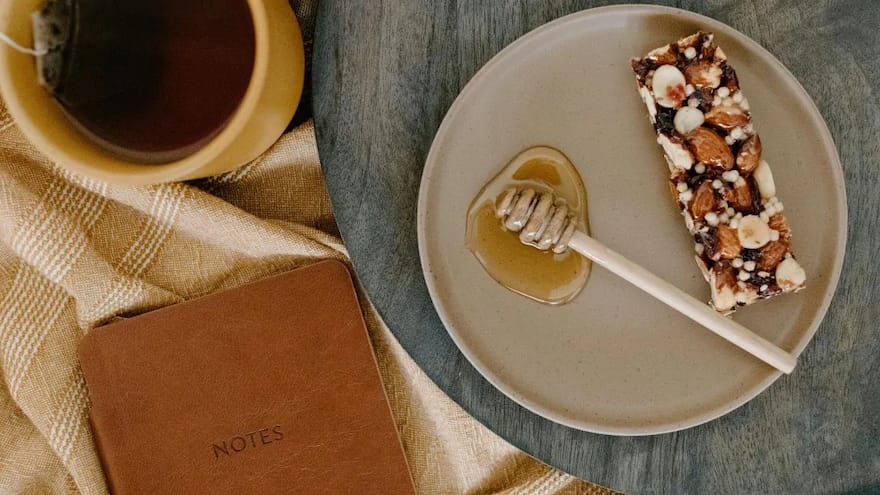
Image credit: Pexels
The Golden Spice Of The East
If honey is the sweetness of love, saffron is its luxury. Known as Kesar in India, this spice is the most expensive in the world by weight. Its history as an aphrodisiac is potent and storied. Cleopatra was said to bathe in milk and saffron to prepare for her lovers. In the grand tapestry of Indian traditions, saffron plays a critical role on the wedding night. A glass of warm milk infused with saffron and crushed almonds is traditionally served to the couple. This ritual is not merely symbolic. Saffron contains compounds like crocin and safranal which are believed to improve mood and reduce stress. Ayurveda praises saffron for its heating energy and its ability to invigorate the blood. It turns a simple glass of milk into a golden elixir, marking the transition from single life to shared intimacy. The scent of saffron is distinct and heady, immediately signaling a special occasion.
Image credit: Pexels
The Fruit Of Temptation And Fertility
Figs have a history that is intertwined with the very concept of modesty and sexuality. In the biblical narrative, fig leaves were used to cover Adam and Eve, associating the tree with the loss of innocence and the dawn of self-awareness. However, structurally, the fig has long been associated with fertility due to its abundance of seeds. Ancient Greeks associated figs with the harvest and fertility rituals. In India, dried figs or Anjeer are a staple of the dry fruit box gifted during festivals and celebrations. They are valued for their mineral content, including iron and potassium. The texture of a ripe fig, with its soft flesh and myriad seeds, has made it a sensual fruit in literature and art. It represents the fullness of life and the potential for new beginnings.
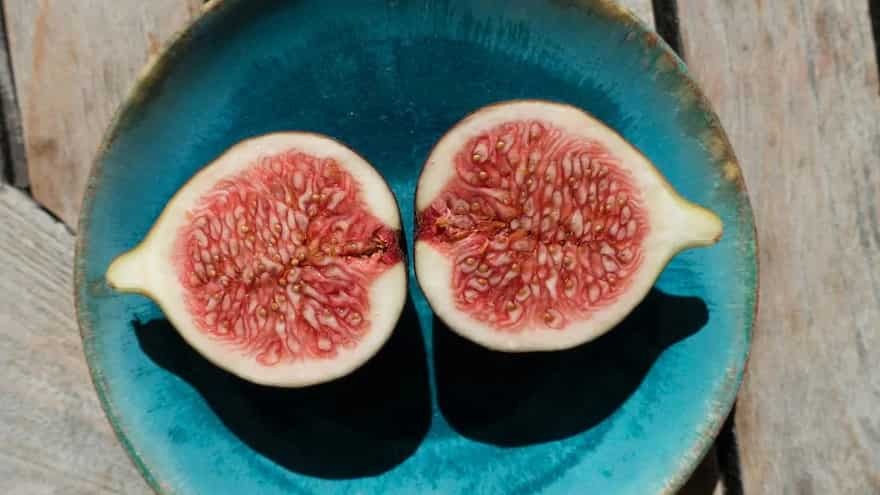
Image credit: Pexels
The Aztec Gift To The World
No discussion of romance is complete without chocolate. Its journey began in Mesoamerica with the Aztecs and Mayans. The Aztec emperor Montezuma was said to consume large amounts of a bitter cocoa drink to sustain his energy for his harem. To the Aztecs, cacao was a divine gift, used in rituals and even as currency. When the Spanish brought chocolate back to Europe, it was sweetened with sugar and honey, transforming it from a bitter stimulant to a decadent treat. It quickly became a favourite of the European aristocracy. Chocolate contains phenylethylamine, a chemical that the brain releases when people fall in love. It also contains tryptophan, which helps produce serotonin, the happiness hormone. While the amounts might be too small to cause a massive physiological shift, the psychological association between chocolate and pleasure is unbreakable. In India, chocolate has largely replaced traditional sweets for Valentines gifting, bridging the gap between ancient global history and modern consumer culture.
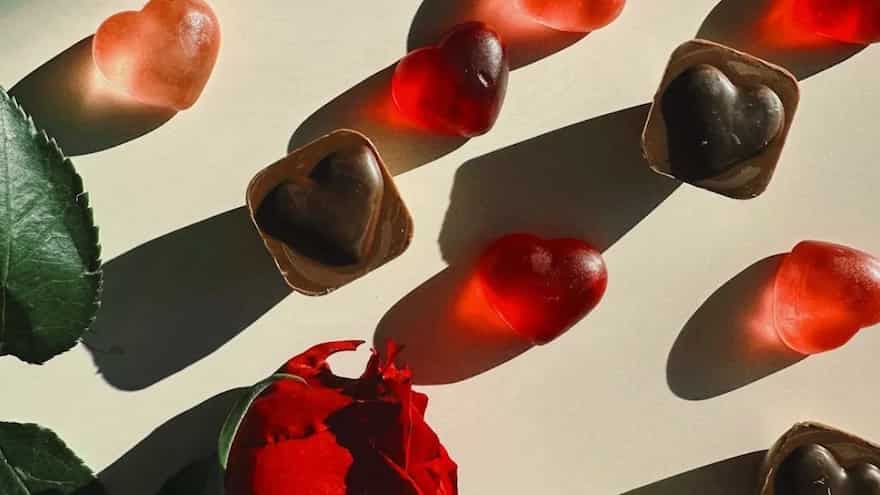
Image credit: Pexels
The Nut Of Vitality
Almonds, or Badam, are revered in Indian culture. They are not just a snack but a brain tonic and a symbol of vigour. Unani and Ayurvedic traditions both regard almonds as essential for reproductive health. The practice of soaking almonds overnight and peeling them is a daily ritual in many Indian households, aimed at maximising their nutritional value. In the context of romance, the almond represents endurance and substance. Unlike the fleeting sweetness of sugar, the almond offers sustenance. In Greek mythology, the almond tree symbolized eternal hope. Today, the scent of almond remains a popular base for perfumes and lotions, carrying a subtle, comforting, and earthy allure.
The Heat Of Passion
Chilli peppers offer a different kind of aphrodisiac experience. The active component, capsaicin, stimulates nerve endings, raises the heart rate, and induces sweating. these are the very same physical reactions one experiences during arousal. Eating spicy food mimics the physical flush of excitement. Though chillies originated in the Americas, they were embraced wholeheartedly by India, becoming an inseparable part of the cuisine. The heat of a chilli pepper is seen as a way to stoke the internal fire. In a romantic context, sharing a spicy meal can release endorphins, the body's natural painkillers, which create a sense of well-being and euphoria. It is a shared adventure on a plate, testing limits and heightening the senses.
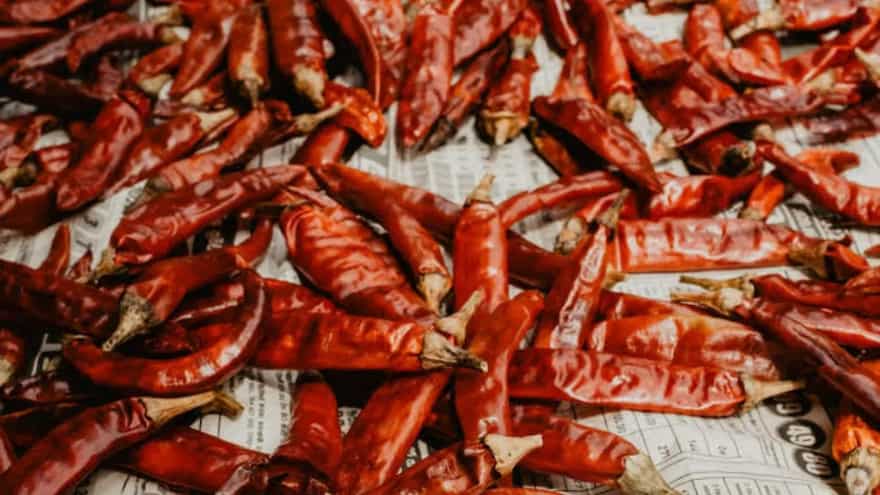
Image credit: Pexels
A Modern Valentines Feast
As we look to Valentines 2026, the appeal of these foods lies not just in their chemical composition but in their stories. Preparing a meal with these ingredients is an act of storytelling. When you serve oysters, you invoke the ocean and Aphrodite. When you pour saffron milk, you participate in a ritual as old as Indian civilisation. When you break a piece of dark chocolate, you share in the luxury of Aztec emperors. These foods shape romance because they engage all the senses. They are visually striking, aromatic, texturally complex, and delicious. They force us to slow down and savour the moment. In a world that is increasingly digital and fast-paced, the act of sharing these historic foods connects us to a more primal, sensory, and human experience of love.




