


 Share
Share

While many nations celebrate Valentine Day as a mutual exchange of affection, Japan has cultivated a tradition that is entirely its own. In this cultural landscape, the burden and the joy of gift giving fall primarily on women, who use different categories of chocolate to communicate complex social and romantic messages. As we approach Chocolate Day on 9 February 2026, understanding the subtle nuances between various types of confectionery is essential for anyone wishing to navigate the intricate social fabric of modern Japan. The history of this unique custom dates back to the middle of the twentieth century. It was during the late 1950s that confectionery companies began to promote the idea of women giving chocolates to men as a way to express their feelings. What started as a clever marketing campaign soon transformed into a national phenomenon, cementing the role of the woman as the primary gifter on 14 February. However, the tradition is far more than a simple romantic gesture; it is a highly organised system of social etiquette that reflects broader Japanese values such as duty, gratitude, and harmony.
The Heart Of Romance: Honmei Choco
At the pinnacle of the Valentine hierarchy sits Honmei-choco, or true feeling chocolate. This is the gift intended for a husband, a boyfriend, or a person to whom the giver wishes to confess their romantic intentions. Unlike casual gifts, Honmei-choco is characterised by its high quality and the emotional labour invested in its selection or creation. In 2026, the trend for these romantic offerings has shifted towards extreme personalisation and premium ingredients.
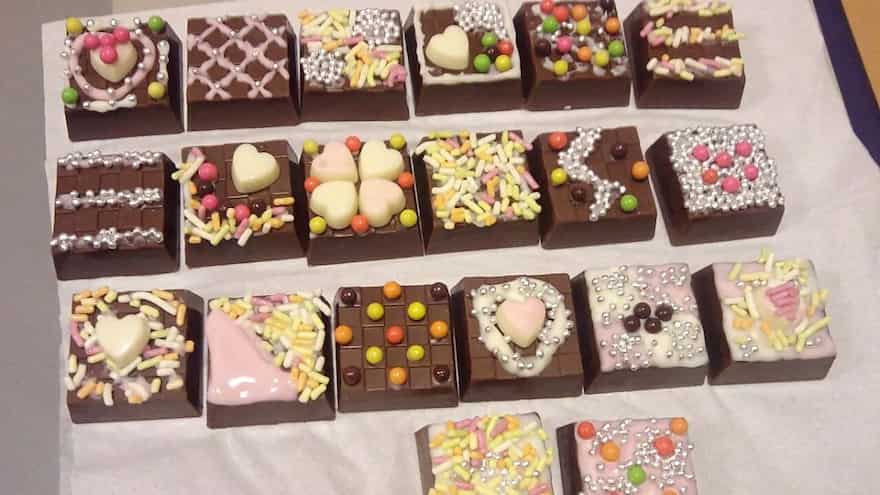
Image credit: Wikipedia
For many, the most sincere form of Honmei-choco remains the handmade variety. Department stores across Japan dedicate entire floors to DIY kits, decorative sprinkles, and high-grade tempering chocolate. To prepare a batch of truffles from scratch is seen as a profound statement of devotion. When women choose to buy instead of bake, they gravitate towards luxury brands or limited-edition collections from world-renowned chocolatiers. In the current year, there is a notable preference for artisanal boxes that feature domestic Japanese flavours, such as matcha from Uji or yuzu from Shikoku, blended with the finest dark cacao.
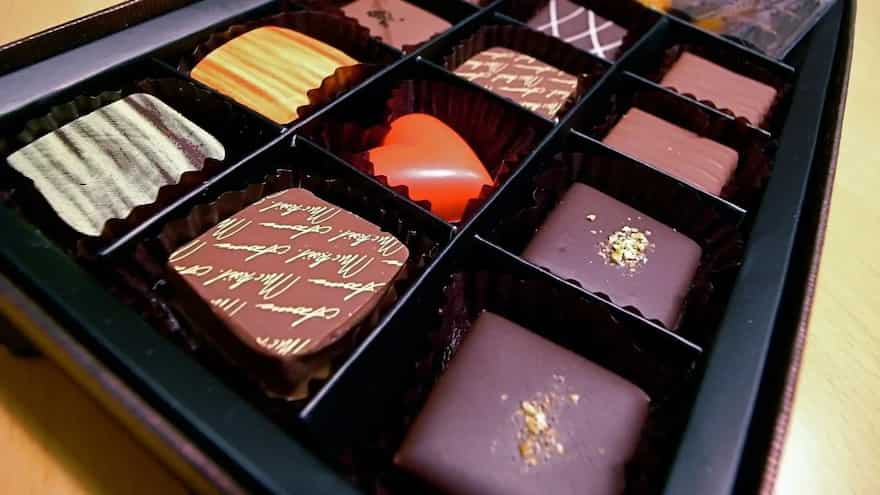
Image credit: Wikipedia
The Weight Of Duty: Giri Choco
In stark contrast to the romantic sincerity of Honmei-choco lies the concept of Giri-choco, often translated as obligation chocolate. This is given to male colleagues, bosses, and acquaintances out of social duty rather than romantic interest. For decades, Giri-choco served as a vital tool for maintaining workplace harmony, acting as a small token of appreciation for the support received throughout the year.

Image credit: Wikipedia
However, the landscape of 2026 shows a significant decline in the popularity of this practice. Many modern Japanese companies have moved to discourage or even ban Giri-choco in the office. This shift is driven by a desire to reduce the financial and psychological pressure on female employees, who often felt compelled to spend large sums of money on chocolates for every male member of their department. In many workplaces today, the tradition has evolved into a group effort where employees contribute small amounts to a shared box of sweets that everyone can enjoy, regardless of gender. This collective approach preserves the spirit of gratitude while removing the burdensome sense of individual obligation.
The Rise Of Modern Varieties
As the strict divide between Honmei and Giri begins to blur, several new categories of chocolate have emerged to reflect the changing values of Japanese society. Perhaps the most significant trend in 2026 is the growth of Jibun-choco, or self-chocolate. This reflects a broader cultural movement towards self-care and personal reward. Many people now view Valentine Day as the perfect excuse to splurge on a luxury box of pralines for themselves, treating the occasion as a moment of indulgence after a long winter season.
Another flourishing category is Tomo-choco, or friendship chocolate. This is typically exchanged between female friends as a way to celebrate their bond. Tomo-choco is often playful, featuring cute character designs or colourful packaging. In the school environment, exchanging these treats is a major social event that emphasises platonic love and community.

Image credit: Pexels
Furthermore, 2026 has seen the meteoric rise of Oshi-choco. This involves fans buying or making chocolates to celebrate their favourite idols, anime characters, or celebrities. Since the recipient is often a public figure or a fictional entity, fans enjoy these treats themselves while sharing photographs on social media to connect with other members of their fandom. This evolution shows how the holiday has expanded from a narrow romantic focus into a broad celebration of all types of passion.
The Challenges Of 2026: Cacao And Innovation
The celebration of Chocolate Day in 2026 faces a unique set of challenges due to the global rise in cacao prices. Shortages in raw materials have pushed many confectionery brands to innovate. This year, department store fairs like the famous Valentine Chocolate Expo at Hankyu Umeda have introduced a wide range of cacao-free alternatives. These include gourmet jellies, fruit-based desserts, and sweets made from toasted grains or nuts.
There is also a growing emphasis on sustainability. Consumers are increasingly looking for brands that ensure fair wages for farmers and use eco-friendly packaging. The focus has shifted from quantity to quality; rather than a large box of mediocre sweets, the 2026 shopper prefers a small, exquisite selection of ethically sourced truffles. This trend aligns perfectly with the Japanese aesthetic of refinement and mindful consumption.
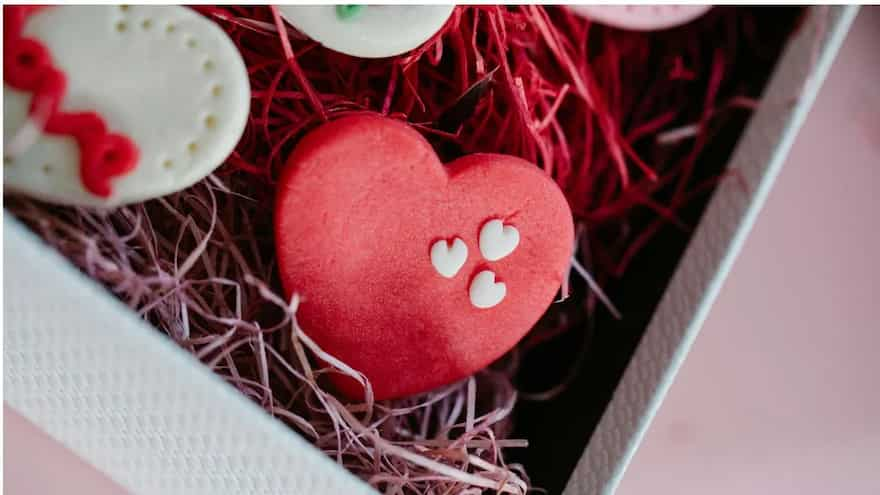
Image credit: Pexels
The Echo Of White Day
It is important to remember that the story does not end on 14 February. Precisely one month later, on 14 March, Japan celebrates White Day. This is the day when men who received chocolates are expected to return the gesture. The etiquette for White Day is just as specific; the return gift should ideally be more valuable than the initial chocolate received. If a woman gave Honmei-choco, a man might respond with jewellery, high-end clothing, or white chocolate of superior quality to signify his acceptance of her feelings.
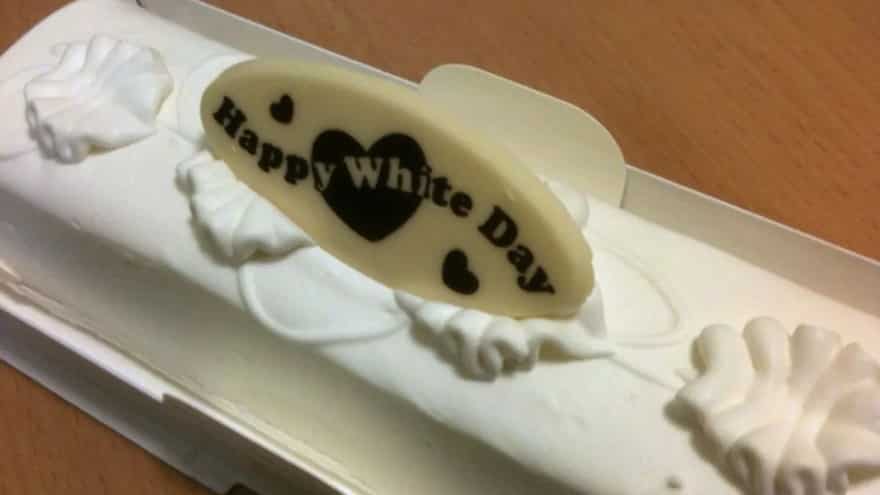
Image credit: Wikipedia
This reciprocal system ensures that the cycle of giving and receiving remains balanced. It provides a formal structure for communication in a culture where direct verbal expressions of emotion can sometimes be seen as overwhelming. By using chocolate as a medium, people can express gratitude, love, or even polite rejection through the simple act of choosing a specific box of sweets.




