As the calendar turns to the 22nd of March, 2026, we enter the fourth day of the sacred Chaitra Navratri festival. After the fierce protection offered by Maa Chandraghanta on the previous day, the energy now shifts toward the very source of life itself. This day is dedicated to Maa Kushmanda, the luminous fourth aspect of Goddess Durga. She is credited with the creation of the entire cosmos through the mere flicker of a smile. For the modern seeker, this day is an invitation to tap into their own creative potential and recognise the solar energy that sustains all living beings.
The Cosmic Architect: Symbolism Of Maa Kushmanda
The name Kushmanda is a beautiful linguistic puzzle that reveals the nature of the goddess. Ku translates to little, Ushma means warmth or energy, and Anda refers to the cosmic egg. Together, they describe the Goddess who created the universe as a little cosmic egg through her divine warmth. Before she manifested, the universe was a dark and cold void. Her smile acted as the first spark of light, bringing order to chaos and life to stillness.
Maa Kushmanda is often referred to as Ashtabhuja Devi because of her eight arms. In these hands, she carries a diverse array of symbolic tools: a kamandalu (water pot), a bow, an arrow, a lotus, a jar of nectar, a mace, a discus, and a rosary. The rosary is particularly significant as it represents her power to grant the eight siddhis (supernatural powers) and nine nidhis (treasures) to her devotees. She sits regally upon a lion, representing her immense courage and her ability to command the wilder forces of nature. Her radiance is said to be as bright as the sun, and she is the only form of the Goddess believed to reside in the core of the Surya Loka (the realm of the sun), directing its life-giving light.
The Vibrancy Of Orange: The Colour Of Day 4 Of Chaitra Navratri
In the year 2026, the fourth day of Chaitra Navratri falls on a Sunday, and the designated colour for this day is orange. This choice is incredibly apt, as orange perfectly mirrors the solar energy that Maa Kushmanda embodies. It is a colour that denotes warmth, exuberance, and vitality. Orange is the shade of the rising sun, symbolising a new beginning and the removal of the darkness of ignorance. Wearing orange on this day is a physical way to align with the Goddess’s creative fire. It is a hue that stimulates the mind and encourages a sense of joy and optimism. For those participating in the festivities, wearing orange is not just a stylistic choice but a spiritual statement of readiness to embrace the light. It reminds us that our inner strength is like a sun that can never be extinguished, provided we nourish it with devotion and discipline.
The Sacred Offering: The Sweetness Of Malpua
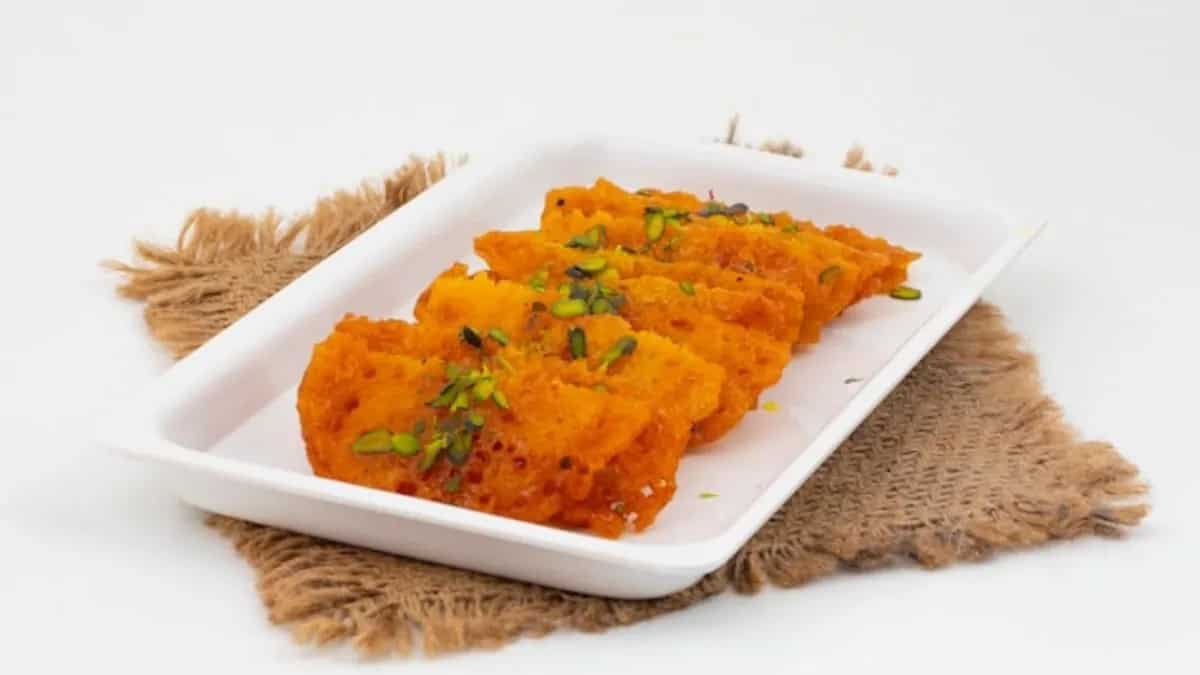
Every day of Navratri has a specific bhog or food offering that is believed to be the favourite of the presiding Goddess. For Maa Kushmanda, that offering is the malpua. Malpuas are traditional Indian sweet pancakes, often fried in ghee and soaked in a fragrant sugar syrup infused with fennel and cardamom. The choice of malpua as a bhog carries deep spiritual weight. The sweetness represents the bliss of creation, while the richness of the ingredients signifies the abundance that the Goddess provides. By offering malpuas, devotees seek the grace of the Goddess to improve their intellect and decision-making abilities. In 2026, many households prepare these delicacies using healthier alternatives like jaggery instead of refined sugar, or by air-frying them to maintain the spirit of the offering while being mindful of health.
What To Eat: Nutrition For The Fourth Day Of Navratri
As we reach the middle of the Navratri fast, the body may begin to feel the effects of a restricted diet. On the 22nd of March, it is important to consume foods that provide sustained energy and reflect the cooling, creative nature of Maa Kushmanda.
The Power of Ash Gourd
The name Kushmanda is also a Sanskrit term for ash gourd, or petha. Therefore, this vegetable holds a special place in the rituals and the diet of the day. Ash gourd is remarkably hydrating and is known in Ayurveda for its ability to sharpen the mind and cool the nervous system. You can consume it in the form of a juice in the morning or as a lightly spiced sabzi (curry) made with rock salt and green chillies.
Pumpkin and Sweet Potato
Since the colour of the day is orange, many choose to eat orange-fleshed vegetables like pumpkin or sweet potato. These are excellent sources of beta-carotene and complex carbohydrates. A simple pumpkin soup or a roasted sweet potato chaat with a dash of lemon can provide the necessary vitamins to keep your energy levels stable through the long hours of prayer and work.
Nuts and Seeds
To sustain the solar energy within, a handful of soaked almonds and walnuts is highly recommended. These provide the healthy fats needed for brain function. Since Maa Kushmanda is the mistress of the rosary and wisdom, feeding the brain with nutritious fats is a practical way to honour the day’s spiritual goals.