


 Share
Share

As we progress into the second day of Chaitra Navratri on 20th March 2026, the spiritual atmosphere shifts from the grounded stability of the first day to a state of profound meditation and self discipline. This day is dedicated to Maa Brahmacharini, the second aspect of Goddess Durga. While the first day was about building a foundation, the second day is about the journey of the soul through hard work, persistence, and unwavering devotion. The name Brahmacharini is derived from two words: Brahma, which refers to the supreme consciousness or sacred knowledge, and Charini, which means one who moves or behaves in accordance with it. Therefore, she is the one who practices devout penance and moves toward the highest truth. For the modern observer, this day serves as a powerful reminder of the importance of consistency and the strength required to achieve long term goals.
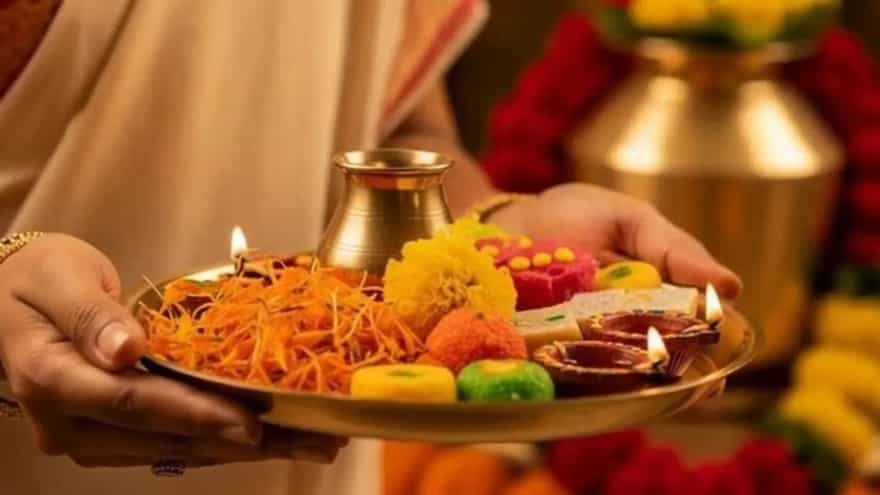
Image credit: Adobe Stock
The Iconography Of Grace: Maa Brahmacharini
Unlike many other forms of the Goddess who appear with multiple arms and various weapons, Maa Brahmacharini is depicted in a remarkably simple and serene form. She walks barefoot, symbolising her connection to the earth and her rejection of worldly comforts during her period of penance. In her right hand, she holds a rosary or Japa Mala made of Rudraksha beads, and in her left hand, she carries a Kamandalu, a water pot used by ascetics. Her story is one of incredible endurance. To win Lord Shiva as her husband, she spent thousands of years in deep meditation, surviving only on roots, fruits, and later just bilva leaves, before eventually giving up food and water entirely. This intense Tapasya is what earned her the name Brahmacharini. Her form radiates peace and calmness, teaching us that true power does not always come from force: it often comes from inner quiet and a focused mind.
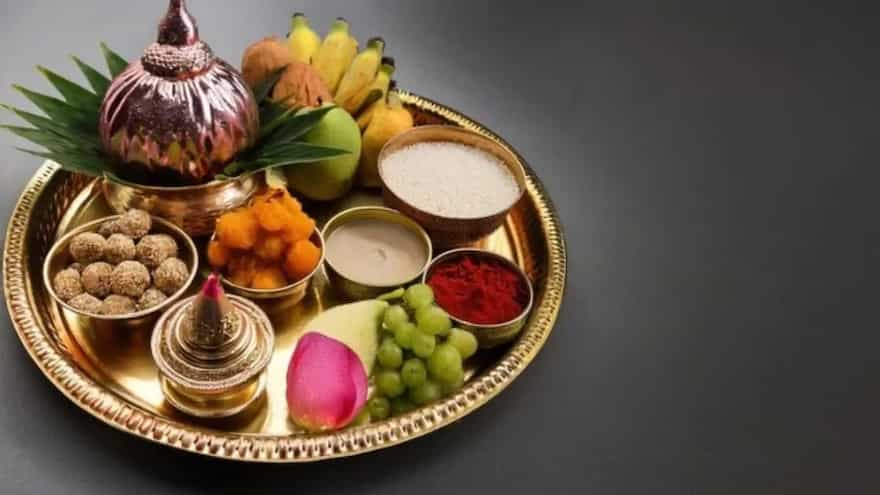
Image credit: Adobe Stock
The Vitality Of Green: Colour Of The Day
The colour assigned to the second day of Chaitra Navratri is green. This is a vibrant, life affirming shade that perfectly matches the spirit of the spring season. Green represents growth, renewal, nature, and the flourishing of life after a period of dormancy. In the spiritual context, it is associated with the Anahata or the Heart Chakra, which is the centre of balance, compassion, and love. Wearing green on this day is believed to bring a sense of harmony and tranquility to the devotee. It symbolises the lushness of the earth that Maa Brahmacharini protected through her penance. Whether it is a dark forest green or a bright lime shade, incorporating this colour into your attire or your puja space helps in aligning your personal energy with the rejuvenating forces of nature. It also serves as a visual reminder of our responsibility toward the environment and the preservation of the natural world.
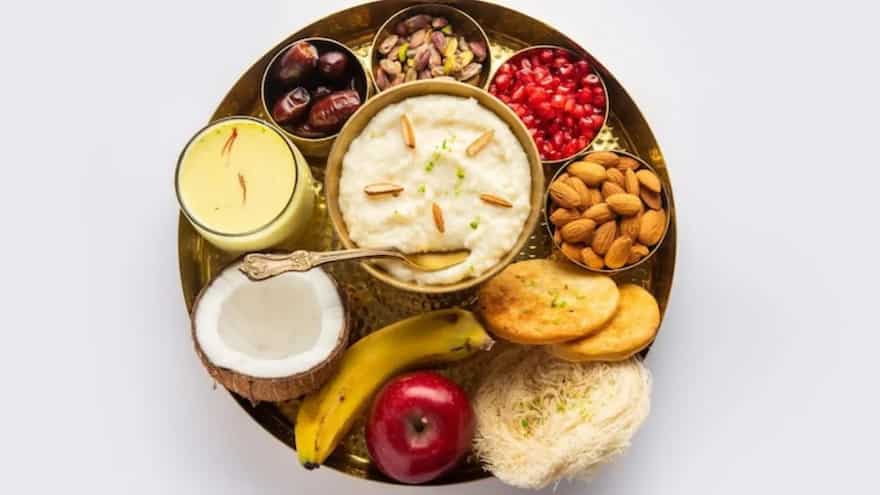
Image credit: Freepik
A Sweet Devotion: The Offering Of Sugar
Every day of this festival has a specific Bhog or food offering that is said to be the favourite of the deity. For Maa Brahmacharini, the traditional offering is sugar or Shakar. Sometimes, this is presented in the form of sugar candy, known as Mishri, or simple white granulated sugar mixed with honey and milk. The logic behind this offering is rooted in the idea of the sweetness of the fruit of penance. Just as the Goddess endured hardships to achieve a divine union, the sugar symbolises the rewards that come to those who remain steadfast in their efforts. By offering sugar to the Goddess and later distributing it as Prasad, devotees pray for the longevity and well being of their family members. It is believed that this offering pleases the Goddess, who then bestows the devotee with great emotional strength and the ability to remain calm even under pressure.
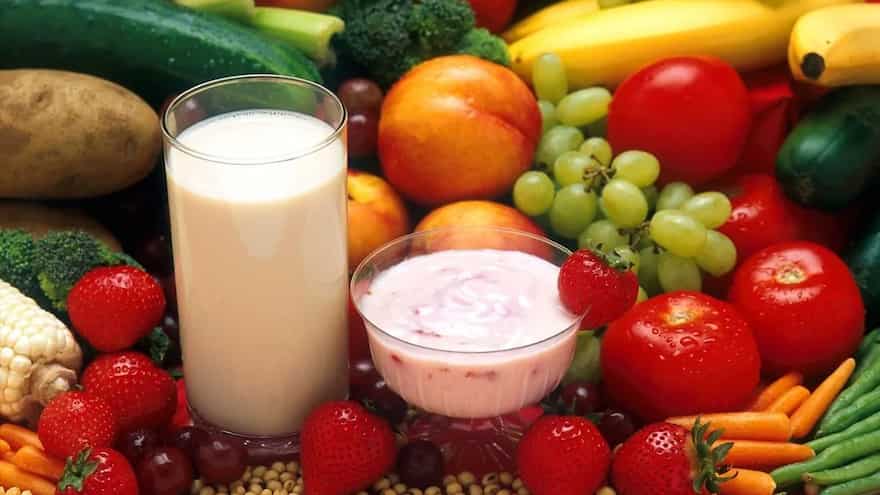
Image credit: Pixabay
Nourishment For The Meditative Mind: What To Eat
On the second day, the diet continues to follow the Satvik principles, but there is often a greater emphasis on cooling and energy sustaining foods to support the meditative practices associated with this phase of Navratri.
• Dairy Delights: Since sugar is the primary offering, many people consume dairy based sweets like Makhana Kheer or Sabudana Kheer sweetened with jaggery or sugar. Paneer or cottage cheese is also a popular source of protein for those who are fasting, as it is satiating and versatile.
• Cooling Fruits: As the temperatures rise in late March, hydrating fruits become essential. Musk melons, watermelons, and grapes are ideal choices. They provide the necessary hydration and natural sugars to keep the brain alert during the day.
• Root Vegetables: Potatoes and sweet potatoes remain the backbone of many fasting meals. A simple dish of boiled potatoes tempered with cumin and rock salt provides steady energy.
• Nuts and Seeds: Fox nuts or Makhana are highly recommended on this day. They are light on the stomach and rich in minerals. Roasting them in a little bit of ghee makes for a perfect crunchy snack that does not break the rules of the fast.
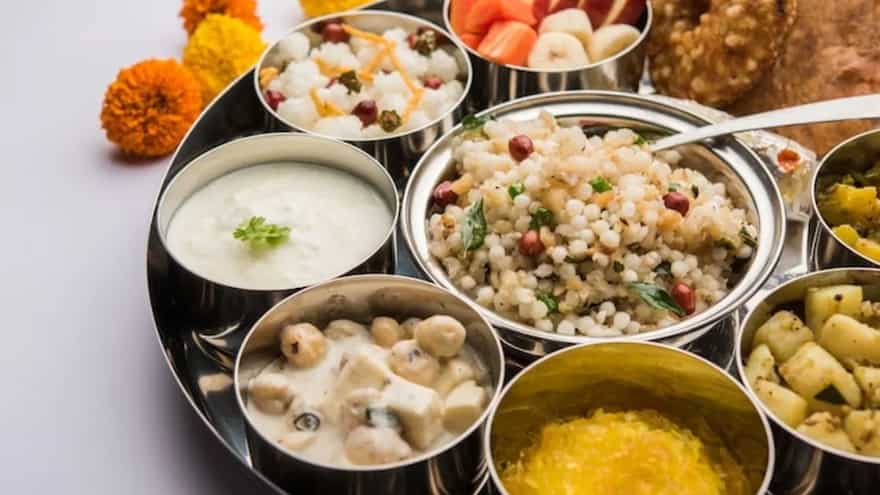
Image credit: Adobe Stock
Discipline And Timing: Fasting Rules for Day 2
Fasting for Chaitra Navratri is not just about what you put into your body; it is about the discipline of time and intention. For those observing the fast on 20th March 2026, the following guidelines help in maintaining the sanctity of the day. The fast typically begins at sunrise. For many, the most auspicious time to start the day is during the Brahma Muhurta, which occurs approximately one and a half hours before sunrise. This is the time for internal reflection and the morning puja. The fast continues throughout the daylight hours. While some choose a Nirjala fast, meaning without water, most people opt for a Phalahari fast where they consume water, milk, and fruits.
The evening puja is conducted around sunset, often referred to as the Sandhya Kaal. After this puja, many devotees consume their main Satvik meal of the day. However, those following a more rigorous schedule may wait until the following morning to break their fast after the sunrise of the third day. This practice of waiting is known as Parana. It is important to listen to your body: if you feel weak, it is better to consume light snacks like fruit or curd during the day rather than strictly avoiding all sustenance. The goal is a steady mind, not physical distress.




