


 Share
Share

As the sun rises on the 21st of March, 2026, the third day of Chaitra Navratri unfolds with a distinct shift in spiritual energy. While the first two days were dedicated to the foundations of strength and deep meditative discipline, the third day introduces us to the fierce yet compassionate form of the Divine Mother: Maa Chandraghanta. She is the manifestation of the Goddess who is ready for battle, yet her presence remains deeply soothing to her devotees. For those observing the fasts in India and across the globe, this day represents the bridge between internal cultivation and external action.
The Symbolism Of The Bell And The Moon
The name Chandraghanta itself carries a profound meaning that defines the essence of this day. Chandra refers to the moon, and Ghanta refers to a bell. On her forehead, the Goddess wears a half-moon shaped like a bell. This is not merely an ornament; it symbolises her readiness to protect the world. In ancient lore, it is said that the sound of the bell on her forehead struck terror into the hearts of demons, while simultaneously providing a sense of security and peace to the righteous. Maa Chandraghanta is depicted with a golden complexion, riding a powerful tiger or lion. This choice of mount represents bravery and the mastery over fear and ferocity. She possesses ten hands, each holding a variety of symbolic items including a trident, a mace, an arrow, a bow, a sword, a lotus, a bell, and a water pot, while her remaining hands are held in gestures of blessing and protection. This multifaceted appearance reminds us that true spirituality does not mean retreating from the world. Instead, it involves being fully equipped to handle the challenges of life with grace and authority.
The Power Of Grey: The Colour Of Day 3
For Chaitra Navratri 2026, the designated colour for the third day is grey. While some might perceive grey as a dull or neutral shade, in the context of Maa Chandraghanta, it carries a deep and sophisticated significance. Grey represents the destruction of evil and the balanced determination required to navigate through the complexities of existence. It is the colour of the sky just before a storm or the mist that settles on a mountain peak: calm, mysterious, and full of latent power. Wearing grey on this day is a way for devotees to align themselves with the Goddess’s ability to remain composed in the heat of battle. It symbolises a mind that is neither clouded by extreme emotions nor detached from reality. It represents the maturity of a seeker who understands that life is a blend of light and shadow. By donning this shade, we honour the goddess who stand as a sentinel between our world and the chaotic forces that seek to disrupt our peace.
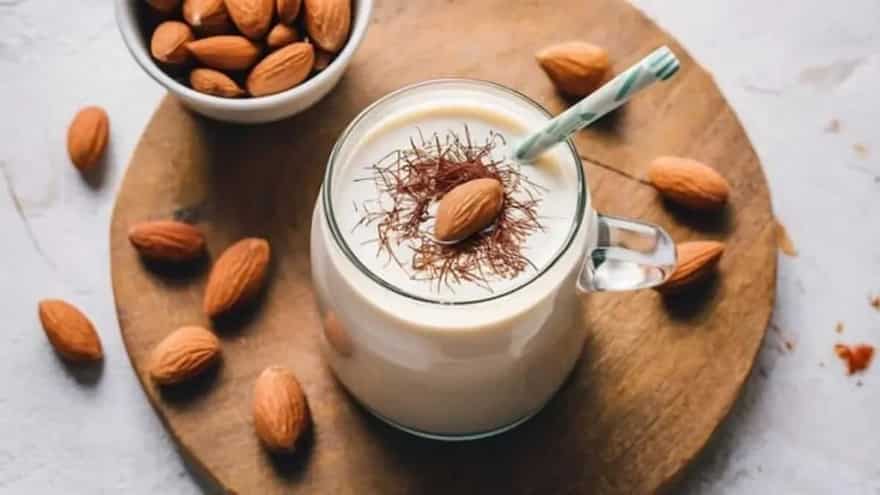
Image credit: Freepik
Spiritual Significance: The Manipura Chakra
In the practice of Yoga and Tantra, the third day is associated with the activation of the Manipura Chakra, located at the solar plexus. This is the centre of fire, willpower, and personal power. As we worship Maa Chandraghanta, we focus our intentions on this energetic hub. When the Manipura Chakra is balanced, a person feels confident, energetic, and capable of taking decisive action. Worshipping the Goddess on this day helps in refining our gut instincts. It is about transforming the raw energy of our desires into the refined energy of purposeful action. Just as the sound of the Goddess’s bell clears the atmosphere of negative vibrations, the focused worship of this day helps to clear the mental fog of doubt and hesitation.
Offerings And Bhog: The Sweetness Of Devotion
Maa Chandraghanta is known to be particularly fond of milk and milk-based products. The traditional bhog or offering for the third day of Navratri is kheer, a creamy rice pudding infused with cardamom and saffron. In the modern context of 2026, many families also offer various milk-based sweets or simply a bowl of fresh, sweetened milk. The act of offering milk symbolises the purification of our thoughts. Milk is considered a sattvic food, meaning it promotes clarity, serenity, and health. When we offer kheer to the Goddess, we are asking her to bless our lives with the same sweetness and nourishment. After the puja, this bhog is distributed among family members and those in need, spreading the blessings of the Divine Mother throughout the community.
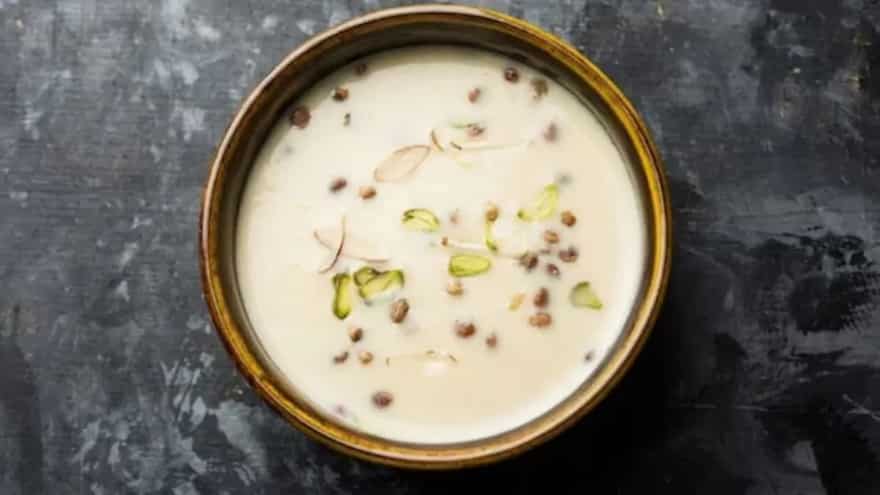
Image credit: Freepik
What To Eat: Dietary Recommendations For The Fast
Maintaining a fast during Chaitra Navratri requires a balance between spiritual discipline and physical well-being. On the third day, as the heat of March begins to rise in many parts of India, it is essential to stay hydrated and energised. Since the focus is on the Manipura Chakra, which governs digestion, choosing foods that are easy on the stomach yet nutrient-dense is key.
Falahari Delights
For those observing a strict falahari diet, makhana (fox nuts) roasted in a little ghee with rock salt is an excellent snack. They are rich in protein and low in calories, making them perfect for maintaining energy levels. Sabudana (tapioca pearls) can be prepared as a light khichdi with peanuts and potatoes, providing the necessary carbohydrates to fuel the day.
Fruit and Dairy
Incorporate cooling fruits like melons and grapes, which are in season during March. These help in maintaining the hydration levels of the body. Since milk is the primary offering of the day, including dairy in your diet is highly encouraged. A glass of buttermilk or a bowl of fresh curd can soothe the digestive system and keep the body cool.
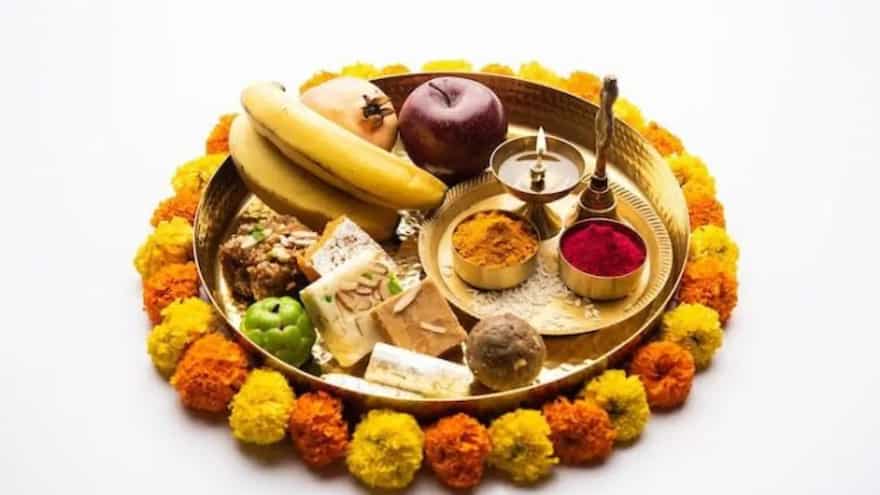
Image credit: Freepik
Avoiding Heavy Spices
It is traditional to avoid grains like wheat and rice, as well as onions and garlic during this period. Instead, use kuttu ka atta (buckwheat flour) or singhare ka atta (water chestnut flour) to make light crepes or rotis. These flours are gluten-free and packed with minerals that support the body during a fast.
Rituals For 21st March 2026
To observe the day authentically, one should begin with a morning bath to cleanse the body. The altar should be decorated with flowers, preferably jasmine or any yellow or white blooms that symbolise purity. Lighting a lamp with ghee and incense creates an atmosphere of sanctity. Reciting the mantras dedicated to Maa Chandraghanta is a vital part of the ritual. The sound of a physical bell should be used during the aarti to resonate with the Goddess’s own symbol. The ringing of the bell is believed to invite the deities and drive away unhelpful energies from the home. If you are looking for a moment of quiet reflection, spend a few minutes meditating on the image of the crescent moon on her forehead, imagining its cool light washing away your anxieties.




