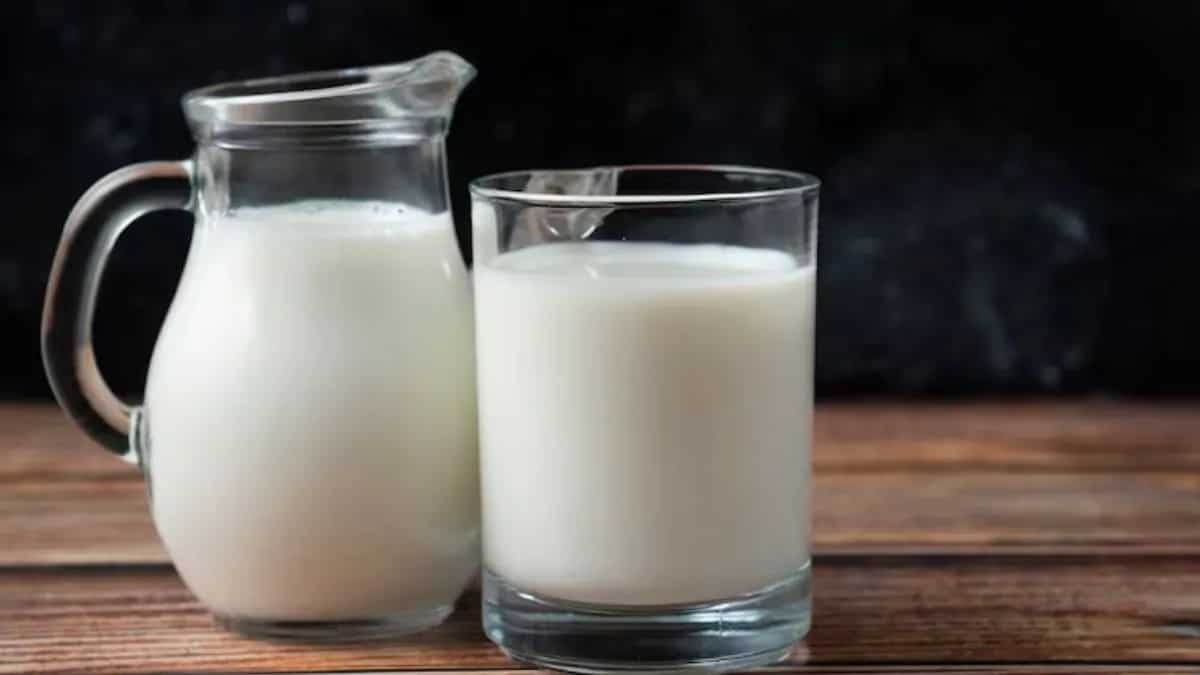
Milk is often linked with sweets, desserts, and festive delicacies. From kheer to rabri, it enters the conversation as something indulgent. Yet, across many Indian kitchens, milk has played a far more adaptable role. It turns soft spices, balances the heat, makes the gravies rich, and makes dishes that appear on the savoury side of the meals.
Long before the cream evolved as a restaurant staple, regional dishes had found their own ways to use milk in savoury dishes in everyday cooking. In some places, it turns a simple vegetable curry into a gentle and comforting one; in other places, it evolves as the base of gravies, slow-cooked meat dishes, or the offerings that are made without onion and garlic. Climate, cattle traditions, and some regional ingredients all together shape how milk has entered savoury version cooking.
Looking beyond just the desserts, it reveals a charming culinary map where milk acts differently in every region. Its role gets changed from ingredient to cooking medium, from thickener to taste carrier, showing that Indian dairy cultures extend far beyond sweets.
Rajasthan: Milk As A Desert Necessity
In Rajasthan, milk evolved as an important part because water was scarce, and dairy animals were a major part of rural life. Dishes such as doodhiya curries make use of milk to soften spices and add richness without depending heavily on just the tomatoes. Some variation of gatte ki sabzi uses milk or buttermilk to soften the gram flour dumplings. Rabodi preparations sometimes also include dairy to balance their intense flavours. In dry regions, milk often served as both nutrition and cooking liquid, making meals that were filling.
(Image credit: Freepik)
Kashmir: Gentle Gravies And Yoghurt Traditions
Kashmiri cooking uses dairy with incredible grace. While yoghurt is more familiar, milk usually appears in classic gravies to soften the spices and give the curries their body. Dishes that are influenced by Kashmir Pandit cooking often depend on dairy to make light flavours rather than using the rich ones. Milk and cream are used separately, letting fennel, dry ginger, and saffron stay prominent.
The cold climate of Kashmir encouraged the use of dairy products, which added both nourishment and warmth to the meal. Rather than overwhelming the dish, milk acts as a supporting ingredient that lets the aromatic spices remain at the front.
Punjab: The Comfort Of Milk-Based Gravies
The dairy culture of Punjab extended beyond just the lassi and sweets. Home-style curries sometimes use milk to make light gravies, especially during winter cooking. Milk helps temper strong spices and adds richness without too much use of cream. Some varieties of paneer dishes, vegetable curries, and slow-cooked preparations benefit from the light sweetness of milk.
The region's dairy farming culture represents how fresh milk is widely available. In village homes, milk from the morning milking was often used instantly in cooking, rather than keeping it for long. The outcome is a type of comfort food where dairy gives body and sweetness without overpowering the dish.
Bengal: Milk In Temple And Vegetarian Cooking
In Bengal, milk gets savoury cooking, most importantly through temple-style cooking. Niramish preparations sometimes use milk to turn the soft vegetables and make light gravies free from onion and garlic. Green bananas, raw papaya, and some festive dishes that benefit from the use of milk.
The sweetness remains light, making dishes that feel satisfying rather than rich. This method reflects Bengal's long association with cooking and seasonal vegetarian meals.
(Image credit: Wikimedia Commons)
South India: Coconut Milk And Dairy Working Together
Southern cuisines often mix dairy with coconut-based elements. In parts of Karnataka, milk appears in some vegetable dishes and temple practices where it perfectly balances spices. Some Tamil and Andhra recipes use milk sparingly to soften the heat or make the gravies rich.
In Kerala, coconut milk dominates the dish, yet dairy still occurs in some dishes and festive cuisine. These blends make layers of flavour where dairy donates smoothness without overpowering the regional components.