The heat of summer changes how the body wants to eat. Meals that are too heavy make you feel heavy. The stomach wants something lighter, cooler, and easier to digest. These summer greens are better than most foods at answering that call. They cook quickly, and they are easy to digest. They grow with almost no effort in places where it is humid.
Most kitchens use spinach or lettuce every year. Both are fine, but they are also easy to guess with no variations. Foraged greens and tribal greens from the area are very different from each other. A tangy green from the edge of a Jharkhand forest does not taste regular but unique.
Summer greens are usually sharp or a little bitter. It helps digestion and gets rid of heat fatigue on its own. The tribal community learned to eat well from what the land freely offered, absorbing flavours honed with careful, attentive cooking for one to explore.
Gongura (Hibiscus Sabdariffa or Roselle)
In some parts of Jharkhand, gongura is known as pitwaa. It is the tangy treasure of tribal summer cooking. In May, its leaves come with deep red veins and a sharp, almost citric sourness that cuts through the heat and wakes up a tired appetite. Tribal families usually pick the tender upper leaves and young stems and wash them in river water before using them.
To cook, heat mustard oil in an earthen pot until it starts to smoke a little. Then add panch phoron, a five-spice blend from Bengali cuisine that is popular in Jharkhand kitchens. Before adding the chopped gongura, add sliced onions, two dried red chillies, and a pinch of turmeric. For seven minutes, stir vigorously over high heat until the leaves break down into a jammy, acidic mess. It goes great with coarse rice and a little bit of mashed boiled potato on top. Some families like to add crushed garlic tempering at the end to balance out the tartness.
Poi Saag (Basella Alba / Malabar Spinach)
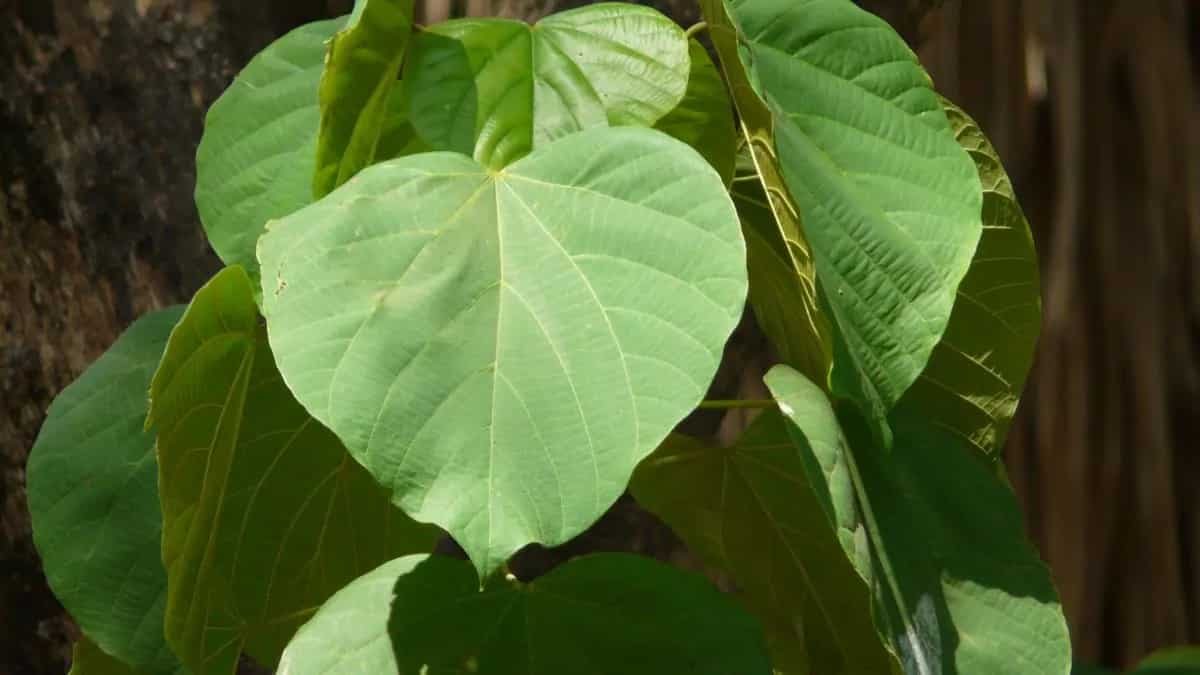
Poi saag climbs up fences, thatched walls, and bamboo poles. It becomes one of the most reliable summer greens in the tribal summer kitchen. The fleshy, heart-shaped leaves have a mild, slightly sticky texture that makes any curry thicker. In the Santal villages of Jharkhand, the leaves and tender vine tips are picked in the early morning, when the dew is still on the ground.
To cook, you just need to break up a dried red chilli and a bay leaf and put them in hot oil. Then, add chopped garlic and a tomato that has been cut in half. Add a lot of poi leaves to the pot once the tomatoes have softened. Use a wooden spoon to mix everything together. Adding a spoonful of hand-ground poppy seed paste toward the end gives the dish a subtle earthy flavour and thickens the gravy into something very satisfying.
Kochur Saag (Taro Leaves / Colocasia Esculenta)
People in Jharkhand grow a lot of taro plants on their farms. While the corm gets most of the attention in cooking, tribal cooks have known for a long time that the leaves are amazing when prepared correctly. Calcium oxalate crystals in the raw leaves can cause an itchy feeling if you don't handle them carefully, so the leaves are always briefly sun-dried before cooking to get rid of this.
To make a traditional Jharkhand dish, you start by grinding mustard seeds with green chilli and a little water to make a paste. Then, the pre-dried taro leaves are tightly rolled around the paste and steamed right over a pot of boiling water. Sometimes, they are also cooked wrapped in a banana leaf over embers. The rolls are cut into pieces and pan-fried in oil until the edges are golden. This summer green dish has a strong flavour and a hint of smoky flavour. The bitterness of the leaf and the sharpness of the mustard go well together.
Lamb's Quarters or Bathua Saag (Chenopodium Album)
In Jharkhand, bathua saag grows as a weed in cultivated fields, and most commercial farmers don't think twice about ripping it out. But tribal women collect it very carefully, filling their tokri baskets with its dusty-grey, powdery-surfaced leaves before the sun comes up in the summer. Bathua tastes very earthy and a little mineral, like a cross between spinach and quinoa. People love to cook it in a dal.
To do this, pressure-cook a cup of chana dal until it's soft. Then, in a separate pan, sauté onion, garlic, and cumin in ghee. Just before adding the cooked dal, add a handful of washed bathua leaves to the pot. Let the lentils and leaves cook together for ten minutes so the leaves completely melt into the lentils. The saag-dal that comes out of this is thick, warm, and full of flavours. A squeeze of fresh lemon juice added just before serving makes the whole dish taste better.
Sahjan Patta (Drumstick Leaves / Moringa oleifera)
The moringa tree, known as sahjan in Jharkhand, is almost like a god in the home. Every tribal home has at least one, and in the summer, its small, oval compound leaves grow in clusters of pale green. These leaves are some of the most nutritious foods on Earth. Tribal cooks quickly strip the small leaves off their stems and then throw them directly into their daily meals.
One popular way to cook the raw summer leaves is to throw them into a pot of simmering broth made with onion, garlic, and split moong dal, along with cubed raw papaya. The leaves cook in five minutes, barely wilting, and still have a little bit of chew. They can also be ground with fresh coconut, green chilli, and tamarind to make a chutney that can be used as both a condiment and a side.