


 Share
Share

Winter in Jharkhand brings an abundance of seasonal vegetables that are deeply rooted in local food culture, yet many of them often remain underused in everyday cooking. Vegetables like shalgam (turnip), bathua, different types of saag like chaulai and koinar leaves, young pumpkin stems, colocasia greens, and fresh peas are often used in traditional or because these ingredients are strongly linked to specific regional dishes.
There is a widespread belief that they can only be cooked in one particular way. As a result, they are frequently bought with cooking intentions and then left sitting in the refrigerator for days, eventually losing freshness or being discarded.
This disconnect between availability and usage overlooks the versatility of Jharkhand’s seasonal produce. These vegetables are naturally flavourful and nutrient-rich, and they are well suited to simple daily meals when handled thoughtfully. Instead of reserving them only for elaborate preparations, they can be adapted into stir-fries, dals, curries, chutneys, and even breakfast or lunch accompaniments.
Small changes in cutting, seasoning, or cooking technique can transform how they fit into regular meals. Using seasonal vegetables regularly reduces waste and allows everyday food to reflect the rhythms of winter. The following tips focus on practical ways to incorporate Jharkhand’s winter produce into daily cooking while enjoying its fresh, seasonal character.
Use All Your Tribal Veggies With These Hacks
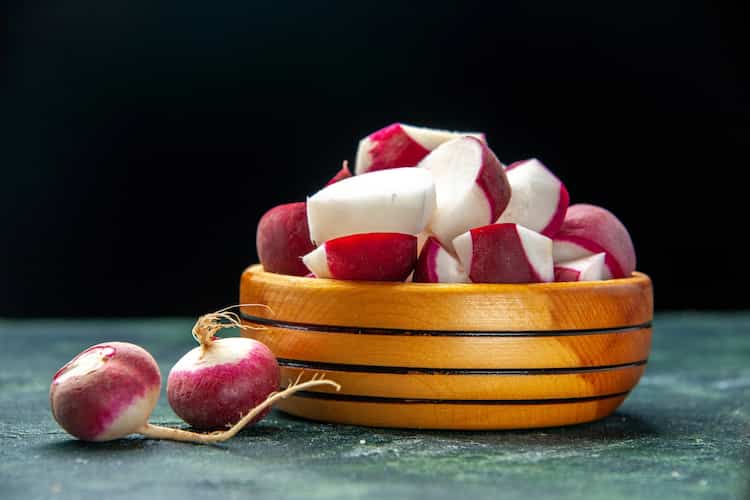
1. Treat Seasonal Vegetables As Everyday Sabzis, Not Special Dishes
Many Jharkhand-specific vegetables, such as shalgam, bathua, koinar flowers, pumpkin stems, and colocasia greens, are often mentally reserved for traditional or festive cooking. This mindset limits their use and leads to hesitation in daily meals. Instead, these vegetables should be treated like any other everyday sabzi.
Simple cooking methods using onion, garlic, salt, turmeric, and oil are enough to highlight their natural flavour. When prepared plainly, these vegetables integrate seamlessly into lunch or dinner without demanding extra effort. Once cooked simply a few times, familiarity increases, and the vegetables stop feeling unfamiliar or intimidating. Using them regularly also helps build confidence in adjusting spices and textures, making seasonal cooking more intuitive and sustainable.
2. Add Seasonal Vegetables To Familiar Staples
One of the easiest ways to prevent seasonal vegetables from sitting unused is to fold them into dishes that are already part of daily cooking. Jharkhand greens and winter vegetables work particularly well in dals, khichdi, pulao, and lightly spiced rice dishes. Finely chopped bathua or chaulai can be added to moong dal, while grated shalgam can be mixed into paratha dough.
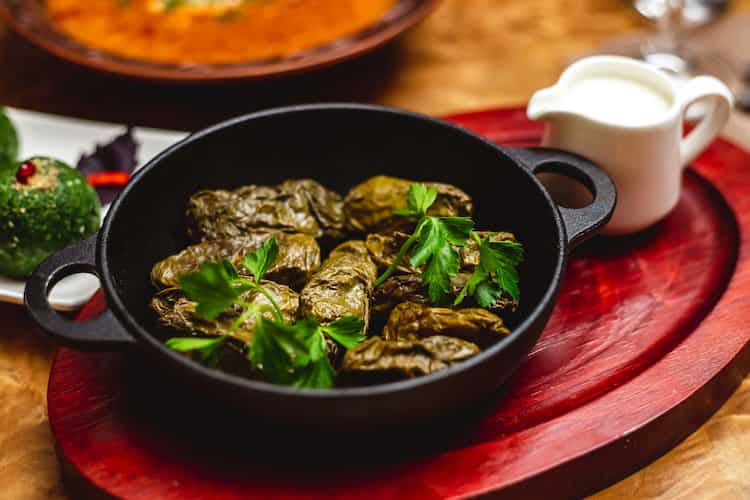
This method avoids the need to plan separate recipes and ensures seasonal produce is consumed regularly. Familiar dishes provide a neutral base, allowing the vegetable’s flavour to come through without overwhelming the meal. Over time, this practice helps shift perception, turning these ingredients from “special occasion produce” into everyday essentials. It also improves nutritional diversity without changing eating habits drastically, which is key for consistent seasonal eating.
3. Change Cutting Style To Change Usage
The way a vegetable is cut often determines how it is cooked and perceived. Jharkhand’s seasonal vegetables are commonly prepared in large chunks for curries, which can feel repetitive. Changing the cut opens new possibilities. Finely chopping greens allows them to blend into stir-fries or fillings, while thin slices work well for quick sautés.
Shalgam, for example, can be cubed for curry, grated for flatbreads, or sliced for shallow frying. Pumpkin stems and tender shoots can be cut small and added to scrambled vegetables or simple bhujias. This small adjustment reduces monotony and helps the same ingredient appear differently across meals. It also makes vegetables cook faster, which suits everyday schedules.
4. Use Short, Controlled Cooking Method
Many winter vegetables from Jharkhand are robust in flavour but delicate in texture. Overcooking them often leads to dull taste and mushy consistency, which discourages repeat use. Short cooking methods such as quick sautéing, shallow frying, or brief simmering preserve freshness and natural sweetness.
Greens like bathua and chaulai benefit from minimal heat, while vegetables like shalgam hold structure when cooked just until tender. Controlled cooking also helps retain nutrients, making seasonal vegetables more rewarding to eat regularly. When vegetables taste fresh and retain bite, they feel more appealing as part of daily meals rather than occasional dishes.
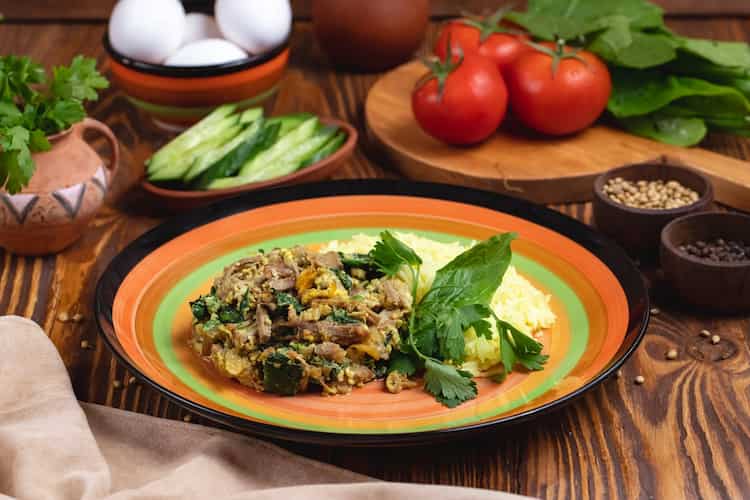
5. Buy And Cook In Smaller, Frequent Batches
Seasonal vegetables often spoil because they are bought in bulk and cooked infrequently. Jharkhand produce, especially greens and tender stems, is best consumed fresh. Buying smaller quantities and cooking them more often ensures better taste and less waste. This habit also reduces the pressure to finish large amounts at once.
Cooking smaller portions encourages experimentation, as mistakes feel less costly. It also allows vegetables to appear in different forms across the week rather than in one repetitive dish. Frequent use builds familiarity, making seasonal vegetables a natural part of daily meals instead of an occasional obligation.




