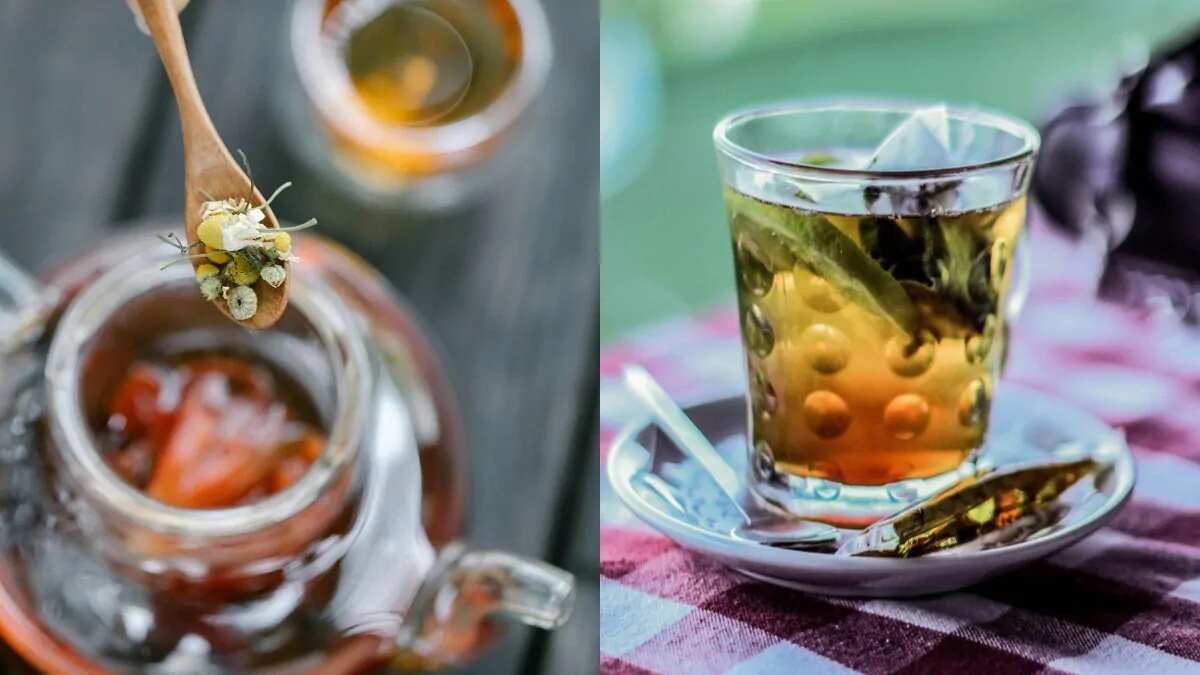
The transition into a new year often brings a harsh drop in temperature that can be taxing on the human body. This January chill typically signals an increase in seasonal viral infections, respiratory congestion, and a general dip in metabolic energy. While modern medicine offers quick fixes, traditional Gujarati culture relies on ukado: a sophisticated Ayurvedic decoction, to build a robust internal defense system. Unlike standard tea, ukado is a targeted medicinal brew designed to balance the body's doshas and kindle the Agni (digestive fire) during the coldest months of the year. The science behind ukado lies in the extraction of bioactive compounds through controlled boiling. By simmering specific roots, leaves, and spices, we release essential oils and phytonutrients that are otherwise dormant. In a season where the New Year can be rough on your physical well-being, integrating these five recipes into your daily routine offers a time-tested method for healing and sustained immunity.
Image credit: Pexels
The Philosophy Of The Ukado
In Ayurveda, winter is the season where the digestive fire (Agni) is strong, but the body is susceptible to cold and moisture-related imbalances. The ukado works on the principle of Ushna (potency of heat). By simmering specific herbs and spices, we extract their essential oils and bioactive compounds, creating a drink that improves circulation, clears respiratory pathways, and kindles the immune system.
Image credit: Pexels
1. The Morning Ritual: Lili Cha & Adu (Lemongrass & Ginger) Ukado
This is the most beloved version of ukado, often acting as a caffeine-free herbal tea that prepares the body for the day. Lemongrass (lili cha) is rich in citral, which has potent antibacterial and antifungal properties. When paired with Ginger (adu), which contains gingerol, it acts as a thermogenic agent, raising the body’s internal temperature to ward off the morning chill.
Ingredients:
- 2 cups Milk (preferably A2 cow milk)
- 1 cup Water
- 8–10 strands of Fresh Lemongrass (knotted)
- 2 inches Fresh Ginger (grated)
- 2–3 Green Cardamoms (crushed)
- Jaggery or Rock Sugar (Khadi Sakar) to taste
Method:
1. Boil water with lemongrass and ginger for at least 5 minutes until the water turns a pale yellow and smells citrusy.
2. Add the crushed cardamom and milk.
3. Bring to a rolling boil, then simmer for 3 minutes.
4. Strain and add your sweetener.
Best For: Morning lethargy, preventing the common cold, and soothing a scratchy throat.
Image credit: Pexels
2. The Golden Healer: Kacchi Haldar & Mari (Fresh Turmeric & Pepper)
When the winter air gets dry, it often leads to dry cough and joint stiffness. This water-based decoction is the ultimate anti-inflammatory tonic. Curcumin in turmeric is poorly absorbed by the body on its own. However, the piperine in black pepper increases curcumin absorption by up to 2,000%. This duo is nature’s most powerful antibiotic.
Ingredients:
- 2 cups Water
- 1 inch Fresh Turmeric root (grated)
- 1 inch Fresh Ginger (grated)
- 5–6 Black Peppercorns (freshly crushed)
- A pinch of Cinnamon powder
- 1 tsp Honey (added at the end)
Method:
1. Add turmeric, ginger, and black pepper to boiling water.
2. Reduce the flame and let it simmer until the water reduces by one-third.
3. Strain into a cup. Let it cool slightly before stirring in honey.
Best For: Reducing inflammation, purifying the blood, and relieving body ache associated with winter flu.
Image credit: Pexels
3. The Respiratory Guard: Tulsi, Phudina & Dalchini
Tulsi (Holy Basil) is worshipped in Indian homes for a reason. It is an adaptogen, meaning it helps the body track and manage stress, including the physical stress of cold weather. Tulsi is an expectorant that helps mobilise mucus. Mint (Phudina) contains menthol, which acts as a natural decongestant, clearing the nasal passages and improving lung capacity.
Ingredients:
- 2 cups Water
- 15–20 Tulsi leaves (hand-torn)
- 10 Mint leaves
- 1 small stick of Cinnamon (Dalchini)
- A squeeze of Lemon juice
Method:
1. Tear the tulsi and mint leaves (this releases more essential oils than cutting).
2. Boil them with water and cinnamon for 6–8 minutes.
3. Strain, add a dash of lemon juice, and sip slowly while steaming hot.
Best For: Sinus congestion, headaches, and boosting Prana (oxygen flow).
Image credit: Pexels
4. The Deep Winter Warmth: Ajwain, Gud & Ghee
This is a heavy ukado, traditionally given to those who have been exposed to extreme cold or rain. It is particularly effective for the elderly and children. Carom seeds (Ajwain) are excellent for digestion and clearing deep-seated phlegm. Jaggery (Gud) provides an instant energy boost and iron, while ghee acts as a lubricant for the respiratory tract, preventing the barking cough typical of dry winters.
Ingredients:
- 1.5 cups water
- 1 tsp ajwain
- 1 tbsp organic jaggery
- 1/2 tsp desi ghee
Method:
1. Boil water with ajwain for 5 minutes.
2. Add jaggery and stir until it dissolves completely.
3. Switch off the heat and stir in the ghee.
4. Drink this while hot, preferably before bed.
Best For: Chest congestion, digestive bloating, and maintaining body heat in sub-zero temperatures.
Image credit: Pexels
5. The Grandmother’s Shield (Potent Kadha)
This is not a recreational drink; it is a medicinal concentrate used when a family member is already battling a fever or a severe viral infection. This recipe uses Cloves (Laving) and Star Anise, which contain shikimic acid (an ingredient used in anti-flu medications). The addition of Nutmeg (Jayphal) helps induce restful sleep, which is critical for recovery.
Ingredients:
- 2 cups water
- 2 Cloves
- 1 Star anise
- 1 inch ginger (crushed)
- 4-5 Tulsi leaves
- A tiny pinch of nutmeg powder
- A pinch of black salt (Sanchal)
Method:
1. Pound the cloves, star anise, and ginger together.
2. Add to water and boil until the liquid is reduced to half its original volume.
3. Add the nutmeg and black salt at the very end.
4. Serve in small shot sized quantities (approx 50ml).
Best For: Viral fever recovery, persistent phlegm, and improving appetite during illness.
Image credit: Pexels
Vital Rules For The Perfect Ukado
To ensure these recipes work effectively, one must follow these traditional guidelines:
1. The Honey Rule: Never boil honey. In Ayurveda, heated honey is considered Gara Visha (slow poison) because it becomes difficult to digest. Always add honey once the drink has cooled to a warm, drinkable temperature.
2. The Jaggery Rule: If using milk in your ukado, be careful with jaggery. Adding jaggery to boiling milk can cause it to curdle. Add jaggery to the water base first, or add it at the very end after the heat is off.
3. Fresh vs. Dried: Always prioritise fresh herbs. Fresh ginger (Adu) and fresh turmeric (Haldar) have Prana (life force) that dried powders lack.
4. Consistency: Immunity isn't built in a day. During peak winter (December and January), consuming a milder version of the lemongrass or turmeric ukado 3–4 times a week is more effective than drinking a potent kadha once a month.