


 Share
Share

Indian kitchens become the centre of activity during festive seasons. Relatives arrive, sweets are prepared in large batches, and meals are cooked in generous quantities. Along with delicious food, this period also creates a lot of kitchen waste. Fruit peels, vegetable stalks, and seeds are often discarded without thought, even though many of them can be reused in safe and practical ways. Traditional Indian households in earlier times made use of every part of an ingredient, and modern kitchens can also follow similar practices. Zero-waste cooking during festivals only requires awareness, small changes in habits, and the willingness to use ingredients more fully. By using peels, seeds, and stalks in everyday cooking, households can prepare tasty and nutritious dishes while also being mindful of sustainability. These practices are not new, as earlier generations in India already valued every part of an ingredient. Reviving these habits today can bring both environmental and health benefits, while also introducing fresh flavours to traditional festive cooking.
Peels in Chutneys and Snacks
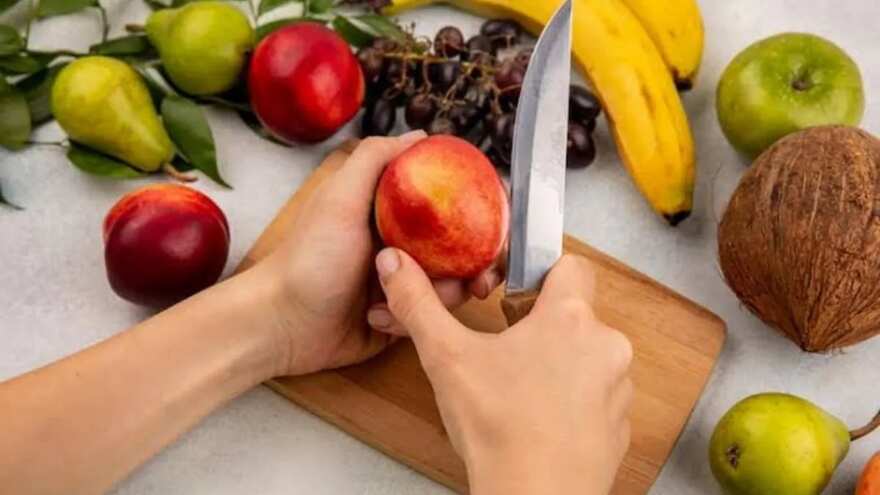
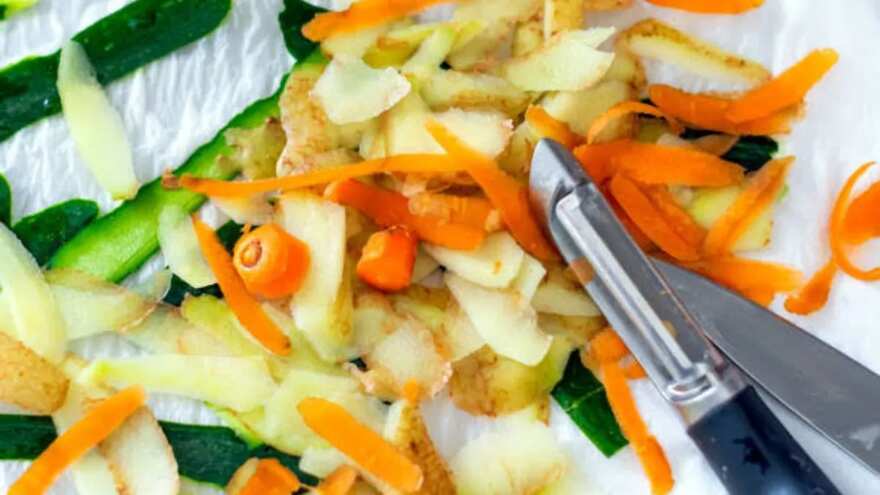
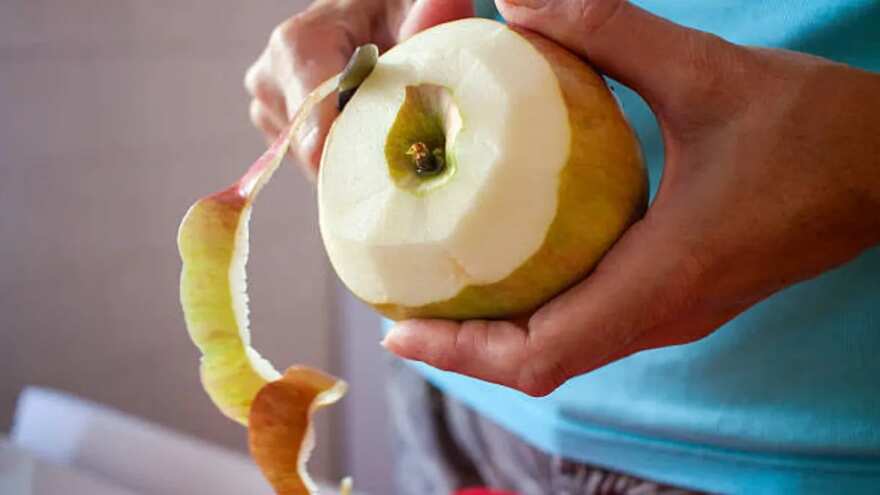
Fruit and vegetable peels are usually the first items to be thrown away. Mango, bottle gourd, banana, and citrus fruits all leave behind skins that can be turned into dishes instead of going into the bin. In Maharashtra, bottle gourd and ridge gourd peels are roasted and ground with chillies, garlic, and gram flour to make a chutney known as peeth perun chutney. In Kerala, raw banana peels are chopped and stir-fried with coconut, green chillies, and curry leaves to create a dry dish served with rice. Potato skins, when washed properly, can be seasoned and roasted to make a crunchy snack for children. Lemon peels can be dried in the sun, powdered, and added to spice mixes for a tangy flavour. These practices show that peels need not be seen as waste, as they can be turned into condiments, sides, and even festive snacks.
Stalks in Curries and Stir-fries
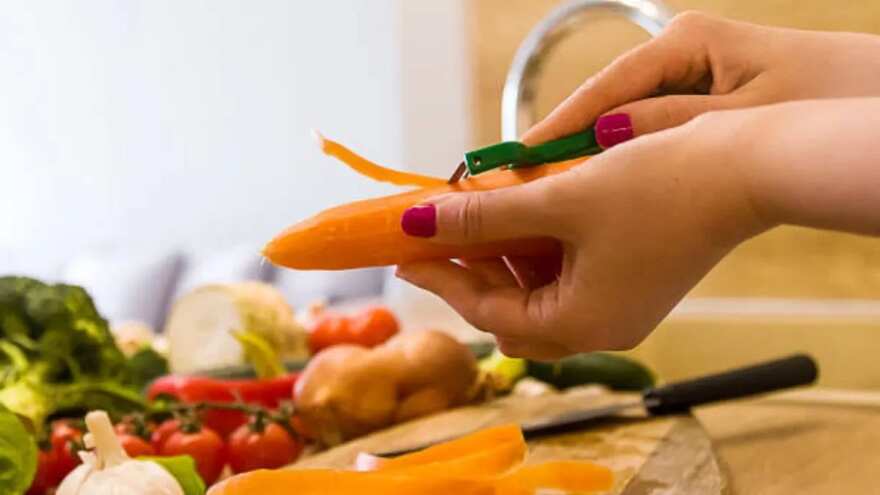
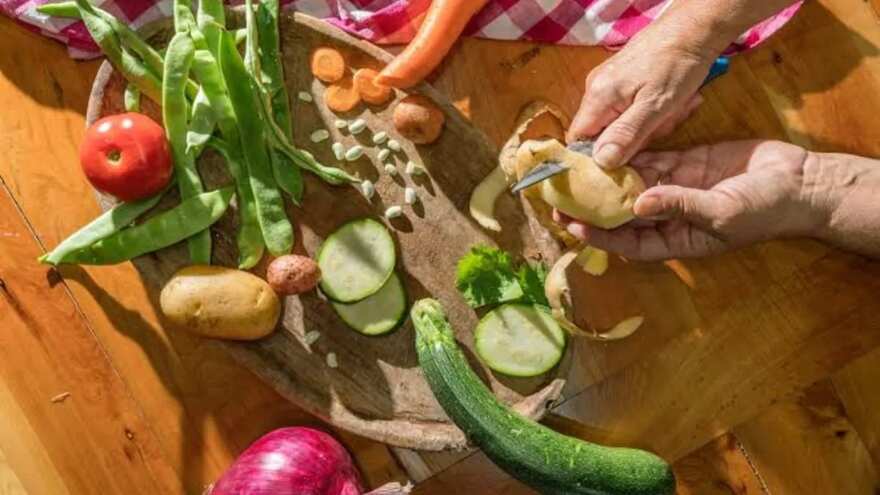
Vegetable stalks are rich in fibre and nutrients, yet they are often thrown away. In Tamil Nadu, pumpkin stalks and leaves are used in a tamarind-based dish called parangi thandu kuzhambu, which is served during festivals. In Bengal, the stalks of spinach and amaranth are chopped and cooked into shak ghonto, a mixed vegetable dish that brings together different textures. Coriander stalks, which carry intense flavour, are ground into chutneys in Gujarat homes and used to season dals. Cauliflower stalks, when chopped finely, are cooked into a simple sabzi with peas and onions in many North Indian kitchens. In Andhra Pradesh, ridge gourd stalks are cooked in light dals with tamarind. Stalks can easily fit into curries, dals, and stir-fries, which helps families make better use of vegetables during festive meals.
Seeds as Thickeners and Flavour Boosters
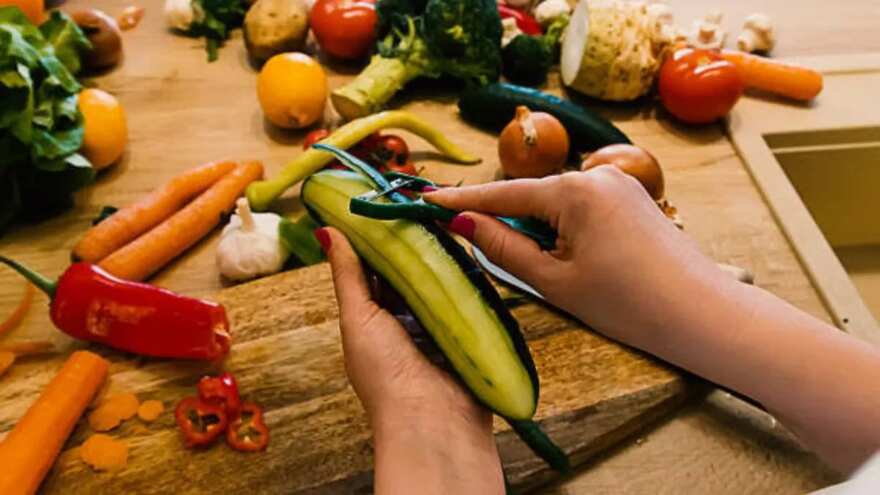
Seeds left over from melons, pumpkins, and bottle gourds are often ignored. These are, however, packed with nutrients and can be reused in everyday and festive cooking. In Rajasthan, watermelon seeds are ground into pastes and added to gravies to give them a creamy texture. Pumpkin seeds, known as kaddu ke beej, are roasted and salted as snacks in North India. In Andhra Pradesh, tamarind seeds are roasted, powdered, and used in curries to add a smoky depth. In some regions, bottle gourd seeds are dried and blended into chutneys with chillies and garlic. Even papaya seeds are used in chutneys in small quantities because of their digestive properties. Seeds can thicken curries, add flavour, and also improve the nutritional value of festive food.
Drinks and Pickles with Discarded Parts
Peels and seeds can also be reused in festive drinks and pickles. Lemon and orange peels can be boiled with sugar and water to make syrups that are mixed with soda or water to prepare refreshing drinks for guests. In Gujarat, mango seed kernels are preserved and turned into tangy pickles that last for months. In Uttar Pradesh, lemon peels are preserved with spices to prepare nimbu ka achar, which often appears on festive thalis. Pomegranate peels, when dried, are powdered and mixed with spices for digestive drinks or added to rasam in southern households. Bottle gourd peels are cooked with jaggery, coconut, and spices to prepare chutneys served with snacks during celebrations. These regional practices show how ingredients considered waste can become flavourful additions to festive meals.
Sweets and Desserts with Peels and Seeds
Indian sweets often use large amounts of fruits and vegetables, which leave behind skins and seeds. These can also be reused in creative ways. In Odisha, ash gourd peel is cooked with sugar to make petha, which is offered during festivals and temple functions. In Karnataka, pumpkin peel is grated and cooked with coconut and jaggery to make traditional sweets. Jackfruit seeds, after being boiled, peeled, and dried, are ground into flour, which is used to prepare laddoos or mixed into payasam in Kerala households. Citrus peels are candied and used to garnish barfis, laddoos, and halwas. In Bengal, watermelon rind is sometimes cooked into sweet dishes with milk and sugar. This is how peels and seeds can also add variety to the dessert table during festive seasons.

Health and Sustainability Benefits
Making use of peels, seeds, and stalks is not only about reducing waste but also about improving health. Many discarded parts of fruits and vegetables contain fibre, vitamins, and antioxidants. Watermelon rind, which is usually thrown away, has cooling properties and is used in sabzis in North Indian homes. Papaya seeds, when consumed in moderation, support digestion. Pumpkin seeds are rich in iron and protein. By adding these ingredients to meals, families can prepare festive dishes that are both nourishing and enjoyable. These methods also reduce the amount of kitchen waste, which is helpful for both households and the environment.
Traditional Wisdom in Indian Kitchens
Earlier generations in India already understood the value of zero-waste cooking. Grandmothers often preserved peels, stalks, and seeds for later use. During summer, mango peels were dried and ground into powders for drinks. Coriander roots and stalks were saved to flavour dals. Tamarind seeds were roasted and stored in jars to be used in curries. Nothing was thrown away without thought, as every part of an ingredient was given a role in the kitchen. These habits were shaped by necessity, but they also built a culture of respect for food. Reviving such practices during festivals helps families connect with these traditions.
A Modern Sustainability Angle
Zero-waste festive cooking also fits well with current discussions on sustainability. Large celebrations often generate food waste and plastic waste. While composting is one way of managing organic waste, reducing it at the source through mindful cooking is even better. Using peels, seeds, and stalks ensures that less food ends up in the bin. Families can also take further steps, such as replacing disposable cutlery with steel or brass plates and storing leftovers in reusable containers. These actions make festivals both joyful and environmentally conscious. When households adopt these small changes, festive cooking becomes a way to celebrate not only abundance but also responsibility.




