


 Share
Share

The monsoon season often increases the craving for hot, smoky, and freshly cooked food, and this makes charcoal and tandoor cooking an appealing choice for many Indian households. The smoky aroma of burning coals adds a depth of flavour that a gas flame cannot provide. Across India, food like kebabs, naans, and charred vegetables have been linked to this style of cooking for centuries. With the availability of smaller grills and compact tandoors, it has now become possible to enjoy these flavours without visiting restaurants. With careful preparation and the right method, everyday ingredients can be transformed into dishes that taste as though they were cooked in traditional dhabas. This article explains the essential steps, the right equipment, fire preparation, and practical tips for cooking over charcoal. Recipe examples are included to show how these techniques can be applied to popular Indian dishes in a home setting.
Choosing the Right Equipment
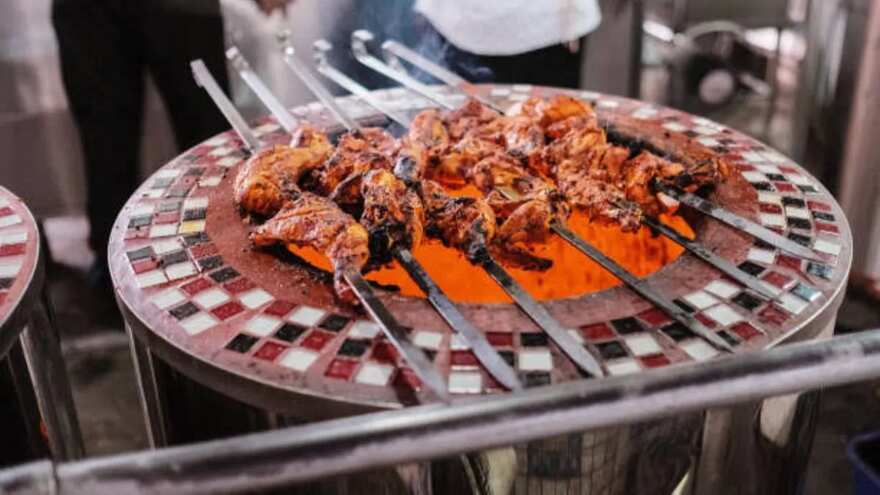
Charcoal and tandoor cooking requires sturdy equipment that can withstand high heat. A small metal grill or clay barbecue drum works well for skewered items. For those who want authentic breads like naan or kulcha, compact home tandoors made of clay or stainless steel are available. Clay tandoors must be cured before use by gradually heating them, while stainless steel tandoors are easier to maintain. Portable tandoors are popular for balconies and terraces, provided there is proper ventilation. For beginners, a simple charcoal grill with a lid is enough to cook dishes like chicken tikka, paneer tikka, and roasted corn. Those who want to bake breads in the true style of dhabas should consider a clay tandoor. Choosing equipment depends on the type of food planned, but the priority should always be safety and convenience.
Preparing the Charcoal and Fire
The flavour of food in charcoal cooking depends on the quality of the fire. Arrange charcoal pieces in a pyramid shape and light them with natural fire starters. Avoid kerosene or lighter fluid, as they leave a chemical taste. Wait until the charcoal turns grey with a layer of ash, as this indicates stable heat. For tandoor ovens, preheating is important because the walls must be very hot before cooking breads. For example, when making naan at home, the dough needs the high heat of the tandoor wall to puff up properly. During the monsoon, humidity makes it harder to light coals, so storing them in airtight containers indoors helps. Once the fire is stable, place the skewers or dough carefully inside the tandoor or over the grill. Timing is crucial, since food can burn quickly at this stage.
Role of Marination and Ingredients
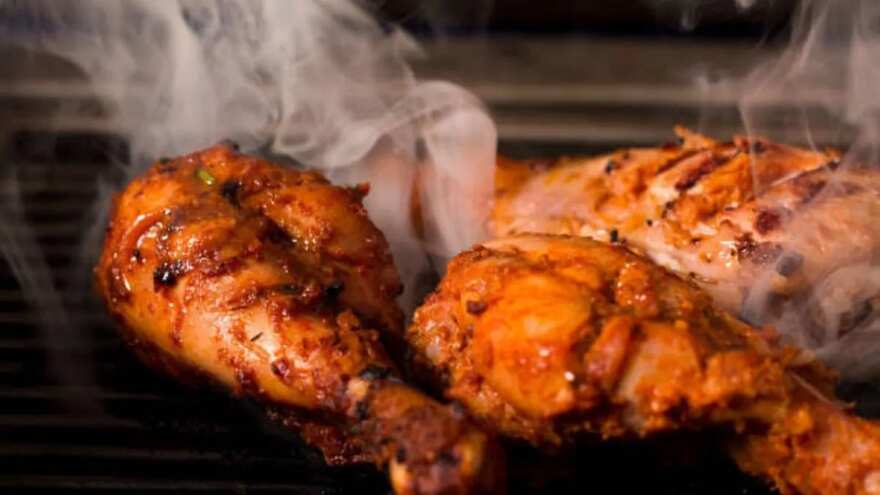
Marination is the foundation of successful tandoor cooking. A yoghurt-based marinade mixed with ginger, garlic, cumin, coriander, turmeric, and garam masala gives meats and vegetables a protective layer that prevents dryness. Lemon juice or vinegar adds acidity that tenderises chicken and lamb, making them soft and juicy when cooked. A classic example is tandoori chicken, which requires overnight marination for best results. The spices penetrate the meat and balance the smoky flavour of charcoal. For vegetarians, paneer tikka is a popular choice. Cubes of paneer are marinated with yoghurt, chilli powder, turmeric, and kasuri methi before being skewered with capsicum and onion. Vegetables like mushrooms and cauliflower also hold marinades well. Even bharwa baingan, where small brinjals are stuffed with masala and roasted, develops a rich flavour when cooked in a charcoal grill. Marination should not be rushed, as the time spent soaking in spices directly improves the taste and texture of the final dish.
Cooking Techniques and Tips
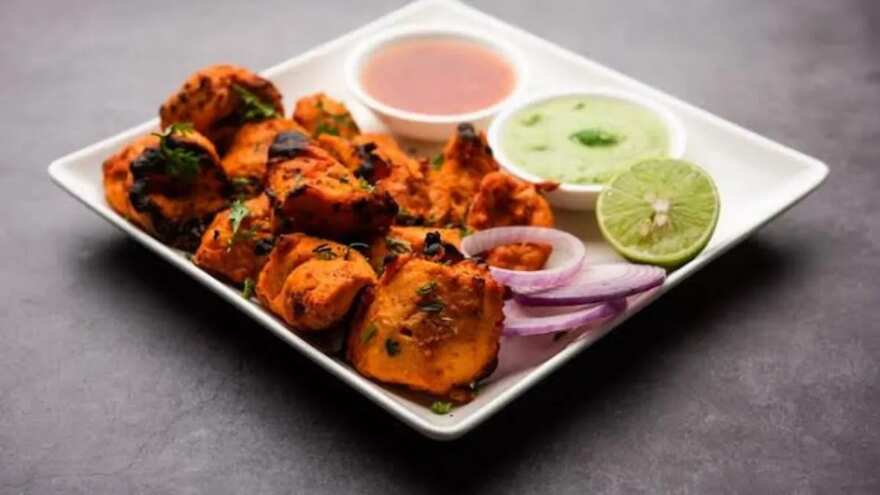
Food cooked on charcoal needs constant attention. Place skewers evenly so that heat is distributed properly. Turn them at intervals to prevent one side from burning. For seekh kebabs, the minced meat mixture should be firm enough to stick to the skewers. The high heat of the charcoal cooks the kebabs quickly, leaving them juicy inside and charred outside. For breads like naan or kulcha, slap the rolled dough onto the hot wall of the clay tandoor and pull it out with skewers once puffed and golden. Home tandoors with metal grates can produce similar results for roti and paratha. To maintain even heat, cover the grill with a lid whenever possible, as this traps smoke and adds flavour. In the monsoon, winds can affect the fire, so placing the grill in a sheltered area makes cooking easier. Small adjustments like brushing food with ghee or butter in the final minutes give it an authentic finish.

Cooking Without Tandoor Equipment
Not every household has access to a tandoor or charcoal grill, but similar results can be achieved with regular kitchen equipment. A standard gas stove with a heavy cast-iron pan can be used to cook marinated meats and paneer over high heat until they develop charred edges. For breads, a tava or flat pan can be heated until very hot, and the naan can be cooked on one side, then flipped and exposed directly to the gas flame using tongs for the traditional smoky effect. An electric oven with a grill setting is useful for dishes like seekh kebabs or paneer tikka, as it provides steady high heat. To recreate the smoky aroma of charcoal, many cooks use a technique called dhungar, where a piece of hot coal is placed in a small metal bowl inside the cooked dish, topped with a few drops of ghee, and covered for a few minutes. This method infuses food with the distinct flavour of live fire, making it possible to enjoy tandoori-style dishes without special equipment.
Safety and Practical Considerations
Charcoal and tandoor cooking is rewarding, but it must be done with care. Always cook in open areas like terraces, balconies, or backyards with proper airflow. Avoid placing grills near walls or flammable materials. Heat-resistant gloves and long skewers reduce the risk of burns. Keep all ingredients ready before lighting the charcoal, as fuel burns quickly. After cooking, extinguish the fire with sand or water and wait until the ash is completely cool before disposing of it. During the rainy season, avoid cooking on wet surfaces, as this can be slippery and unsafe. Food hygiene is also important. Raw meats should be kept separate from vegetables and breads to prevent contamination. Safe practices make the cooking process enjoyable and ensure that the smoky flavour of the food is the only thing remembered from the evening.




