


 Share
Share

Every year, World Pulses Day is celebrated on 10 February to cast a spotlight on what is one of the central cooking ingredients in nearly every culinary culture. Whether it is an Indian dal or a West Asian hummus or a Mexican bean stew, humble but protein-rich pulses have been instrumental in shaping food traditions and cooking cultures through the history of civilization. 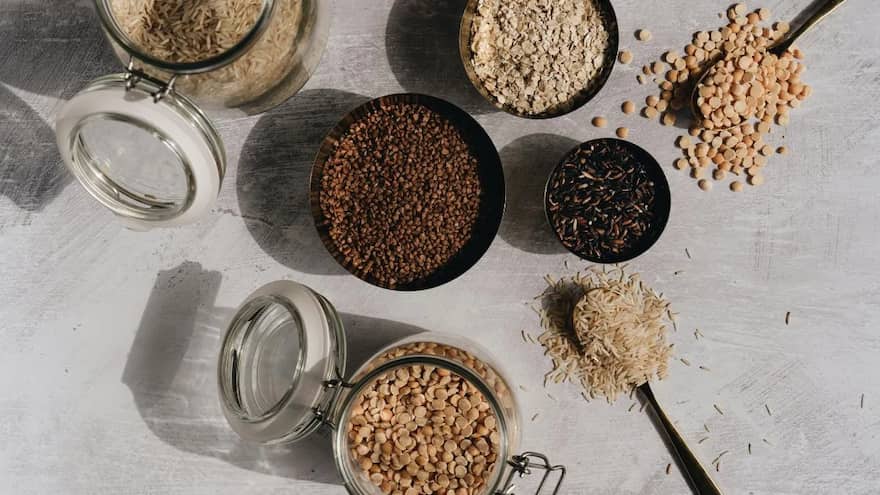
Nourishing, utterly healthy, satiating and comforting, pulses are deeply woven into the fabric of every day cooking, their ready availability and sustainability becoming essential to a conscious way of living. It is no wonder then that diving deep into why pulses are so central to global culinary traditions is an interesting study for anyone curious about food science and adjacent cultural phenomena.
Oldest Staple Food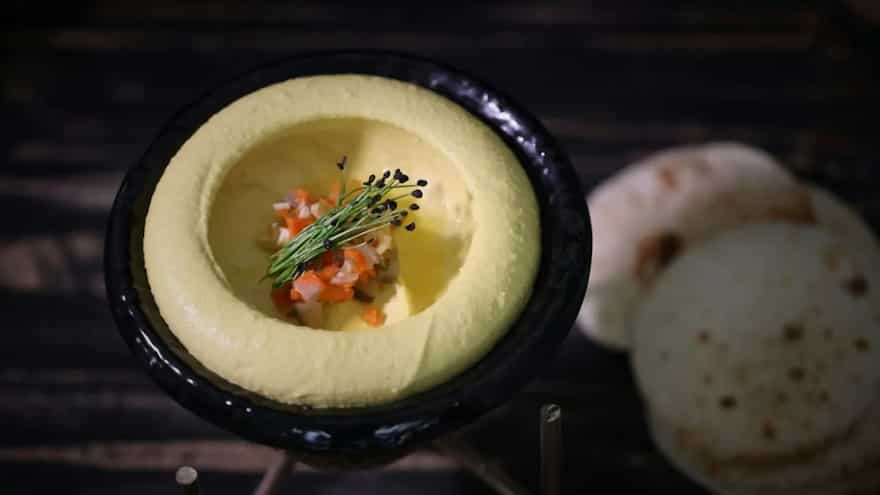
Whether it is a regular dal rice combo served as a quick meal or a Mediterranean bean salad that accompanies grilled meats, pulses have been some of the oldest core ingredients consumed across the globe. Archeological traces lead us back thousands of years when pulses like chickpeas and certain lentils were eaten regularly in several continents.
Eventually, they travelled via trade routes and cultural exchanges to Indian, African and European territories where dried pulses were soaked and fermented to turn them into regional staples. Tur, moong, chana dal reign supreme in Indian culinary spaces whereas Latin American cooking cultures are known for prominently using black beans, red kidney beans and pinto beans to prepare salads and stews.
Everyday Protein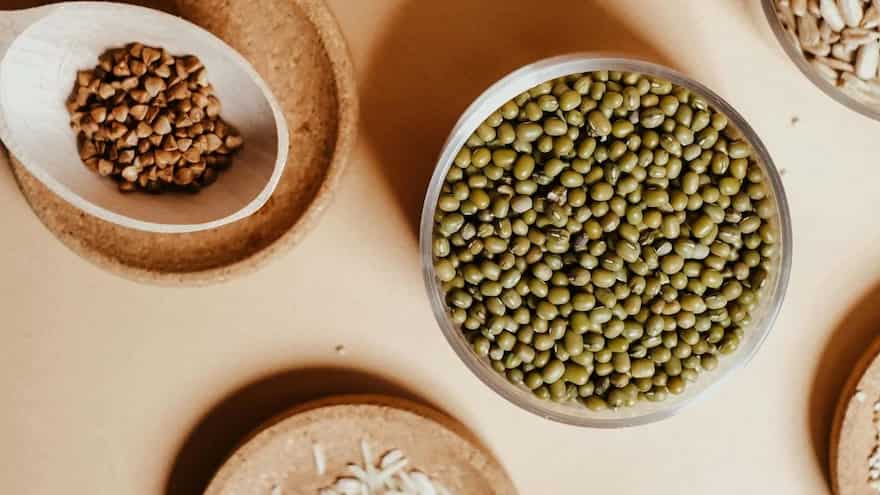
Most local, regional food systems are nutritiously wholesome. They contain generous amounts of proteins, essential fats and complex carbs which together constitute a balanced diet. For vegetarians and in everyday cooking too, if there is one ingredient that builds up on the protein intake during every meal, it is pulses. In several parts of the world where communities practice vegetarianism, pulses form the backbone of their protein requirement.
Versatility Across Cooking Styles
What makes pulses stand out as ingredients of global importance is that they are exceedingly versatile. No matter the cooking style, pulses seamlessly blend into each one, making these diverse cooking techniques their own. Pulses can be boiled into soups and stews, they can be ground into batters and flours, roasted into crispy snacks or mashed into spreads.
When one looks at the presence of pulses across recipes that range from a moong dal chilla to refried beans in tacos or lentils in Mediterranean cuisine, it becomes apparent how easily they transform and adapt to different cooking cultures.
Sustainability And Climate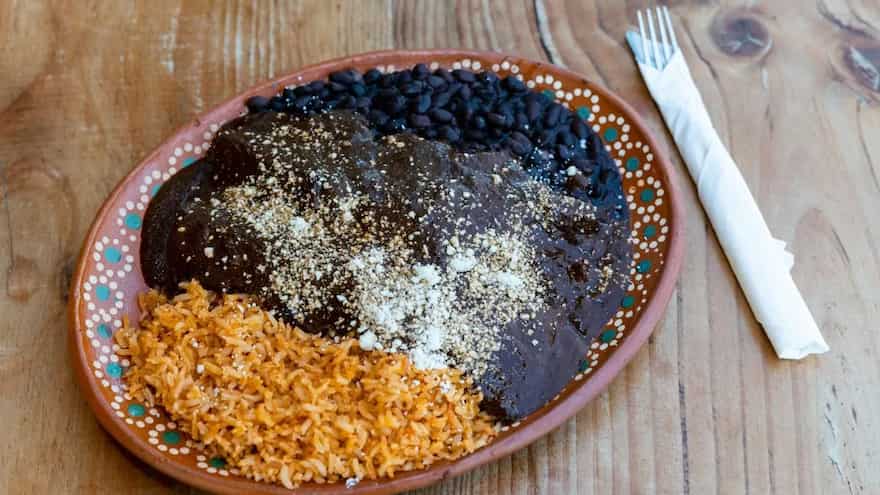
While the use of pulses in everyday cooking does impact their large-scale cultivation across the world, what is also interesting is that this regular farming of pulses is sustainable and utterly in tune with local climates. They require less water than many other crops and nurturing pulses can improve the fertility of soil by upping its nitrogen volume.
Moreover, pulses also cut down on our carbon footprint because they are incredibly easy to store, and have been so for generations! This makes them vital produce for food security, climate-conscious agriculture and sustainable living, contributing to the enduring presence of pulses across food cultures.
Comfort Food And Everyday Eating
One of the most imperative reasons that pulses remain integral to global cuisine is that they really are inseparable from every day cooking. A home chef would know that a meal is indeed incomplete without the presence of a dal, a bean salad or stew that not only nourishes but also provides substance and fullness.
Almost every cuisine then comprises a comforting dish in which pulses form the core, from Moroccan harira soup to the bean chilli in American kitchens. These are foods that represent homely comfort, warmth and daily nourishment.




